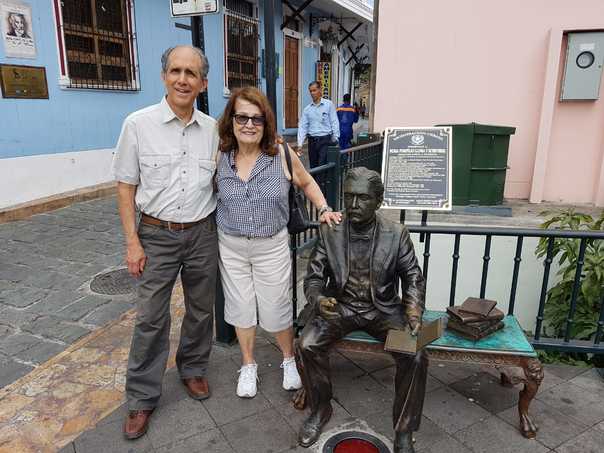
Highlights: our 16-day trip to Ecuador
The real truth is that the primary reason for these trips to Ecuador is to connect with relatives and with the culture and people of South America. I’d love for you to be able to share this experience and meet the people I meet when I’m there. But I also take photos along the way. In late August my sister Grace and I went to Ecuador. Some photos from the trip are below. -Patrick
First: Visits with Relatives:
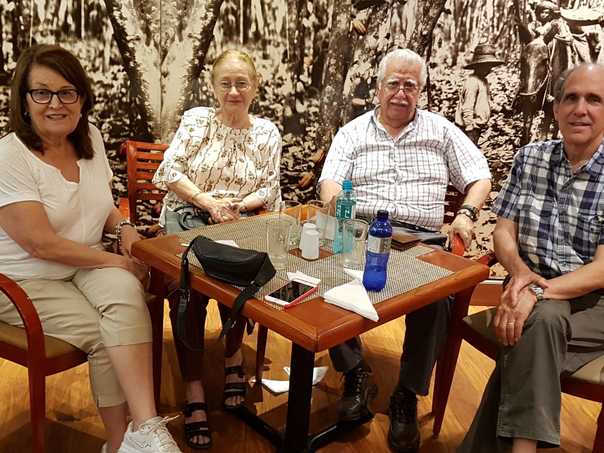
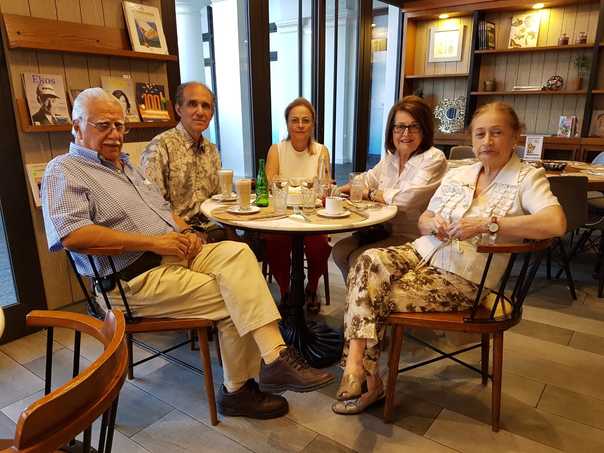
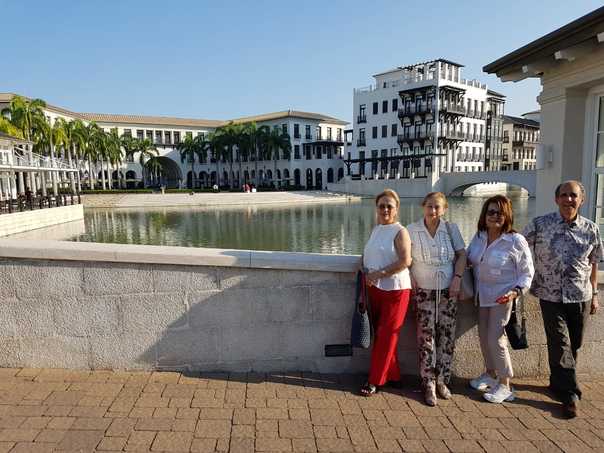
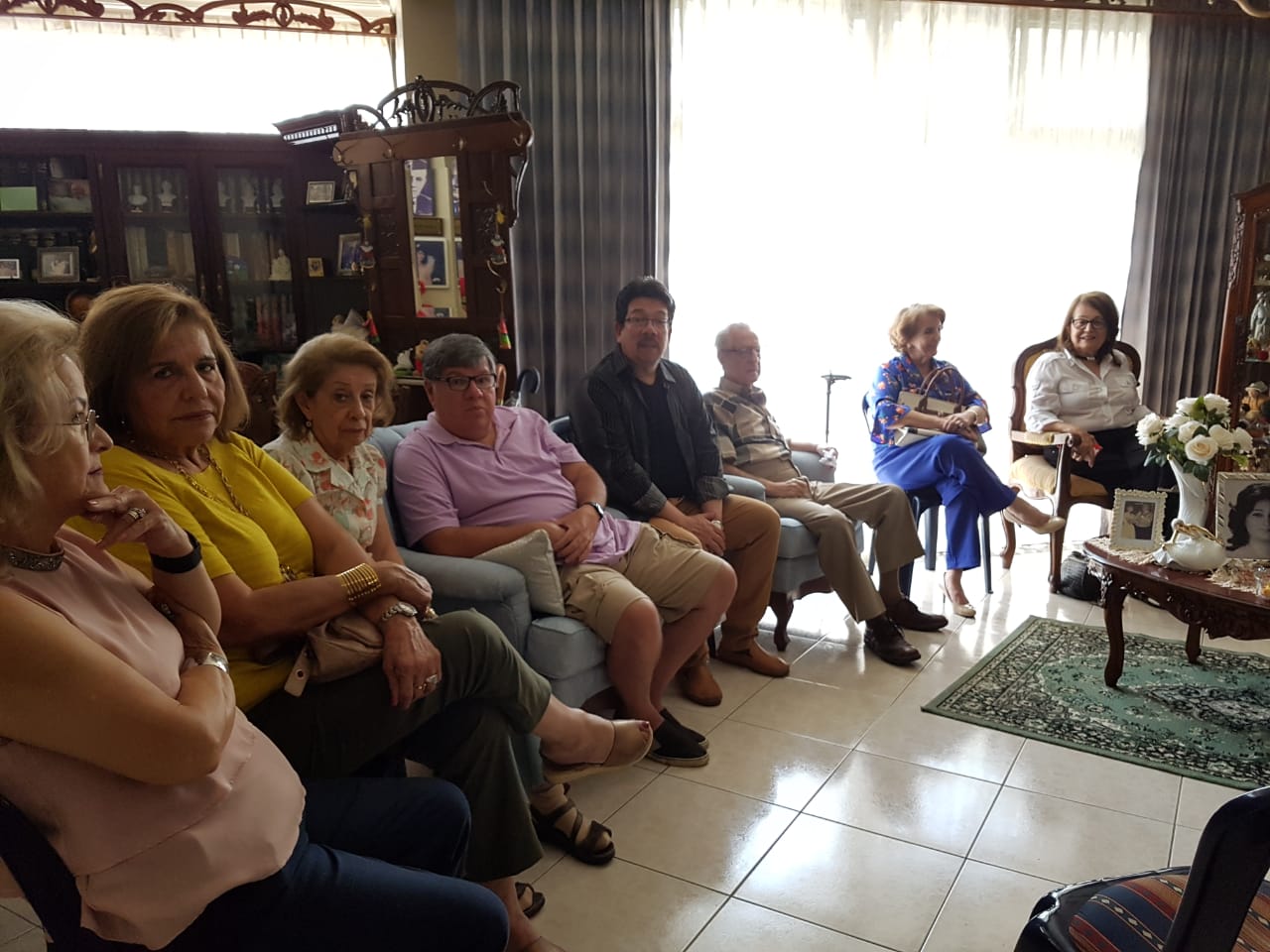
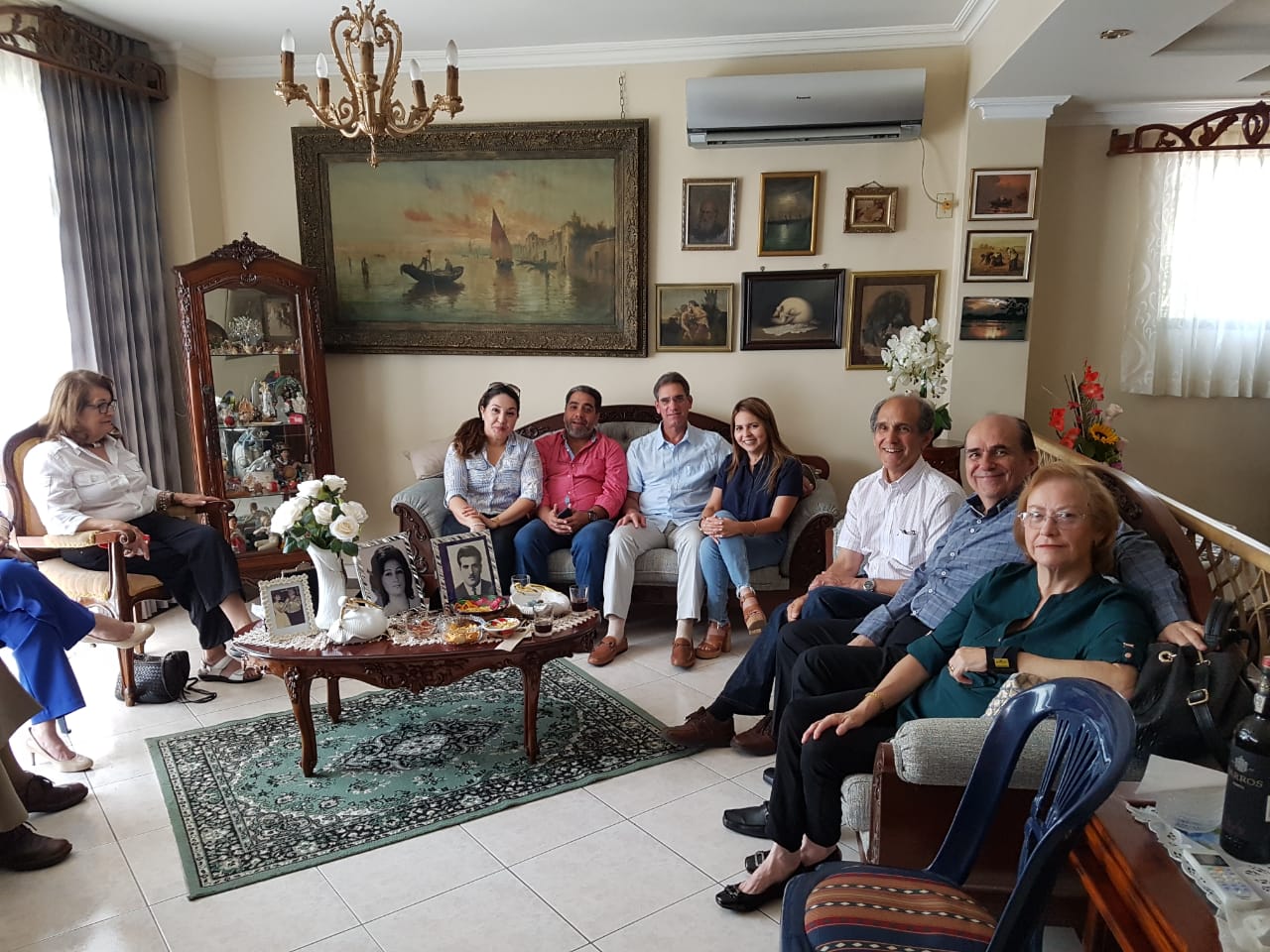
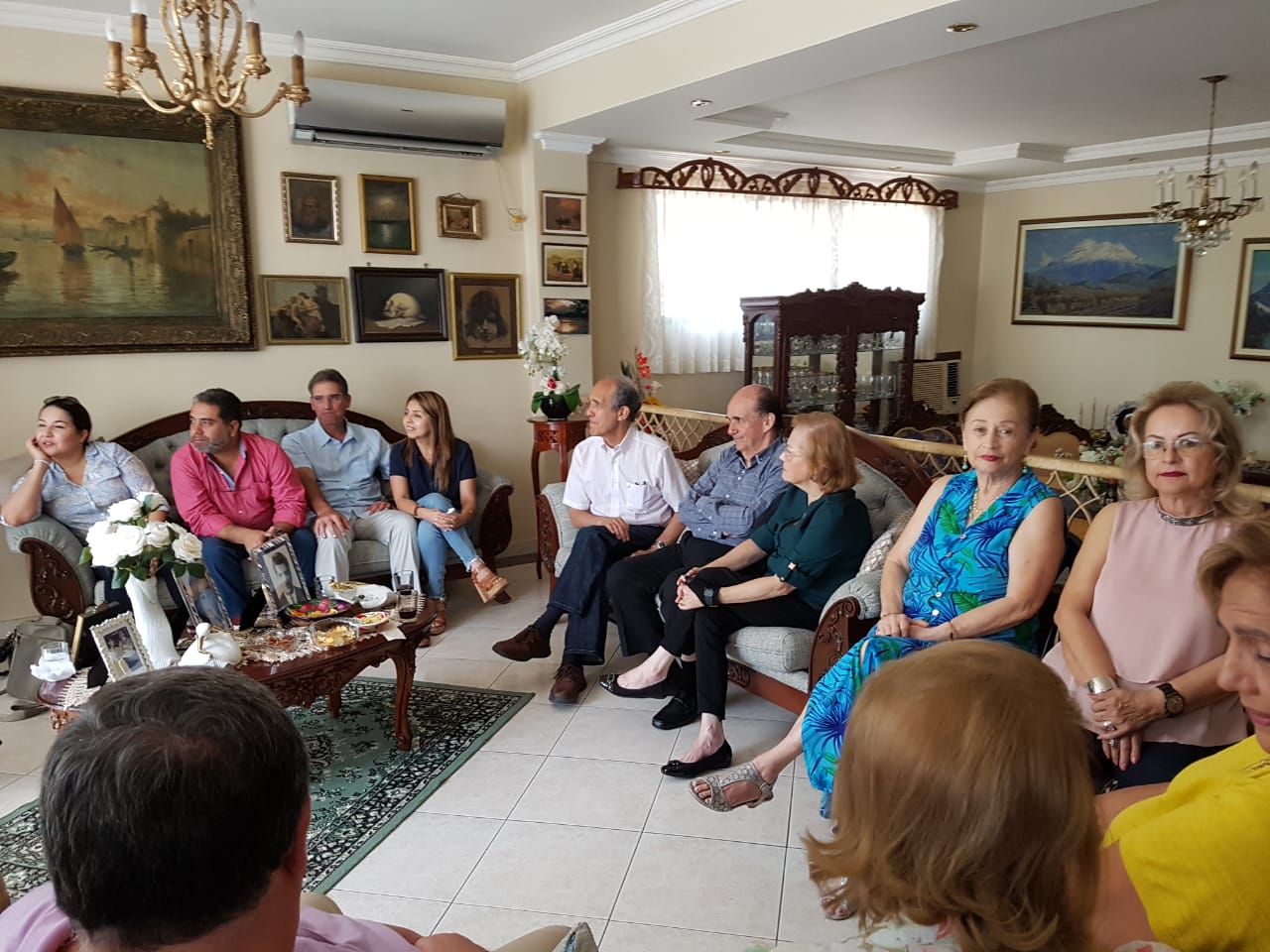
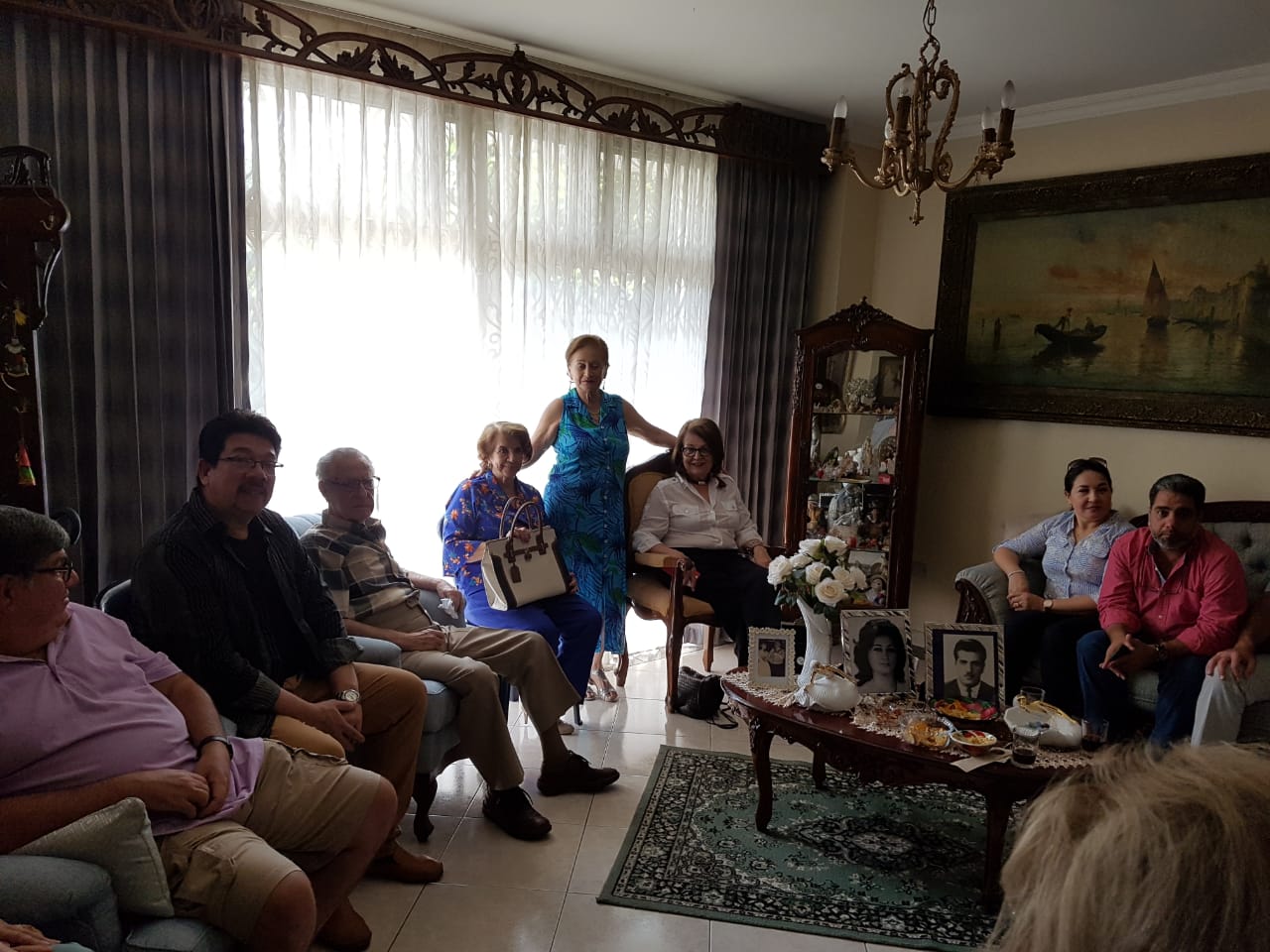
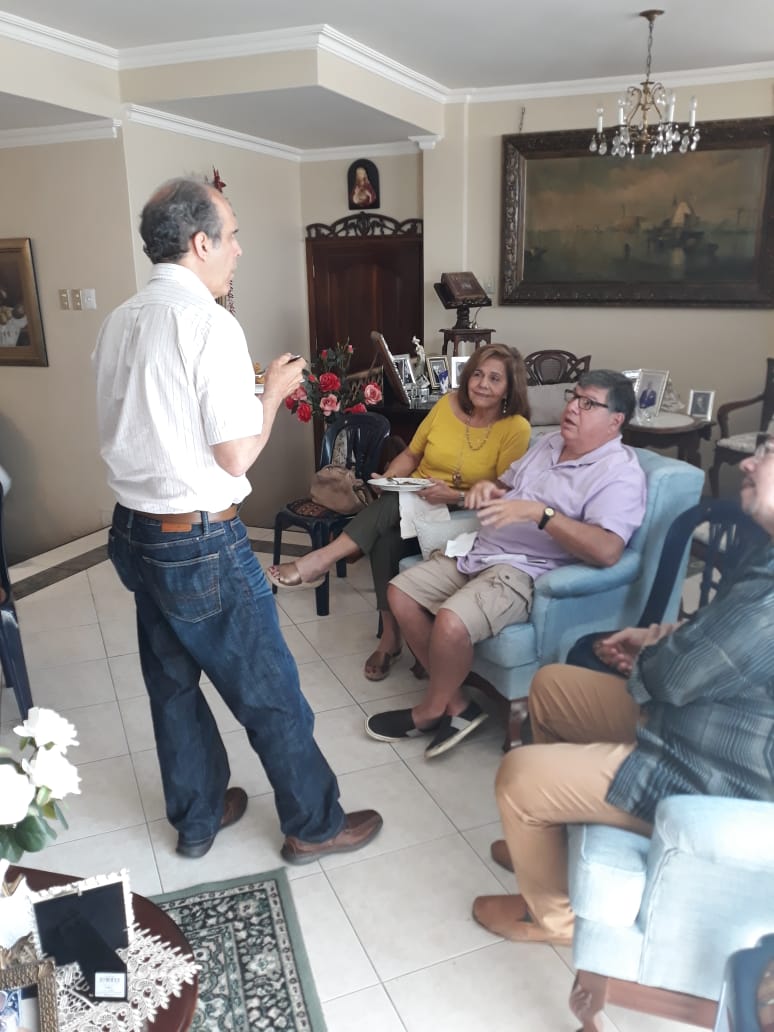
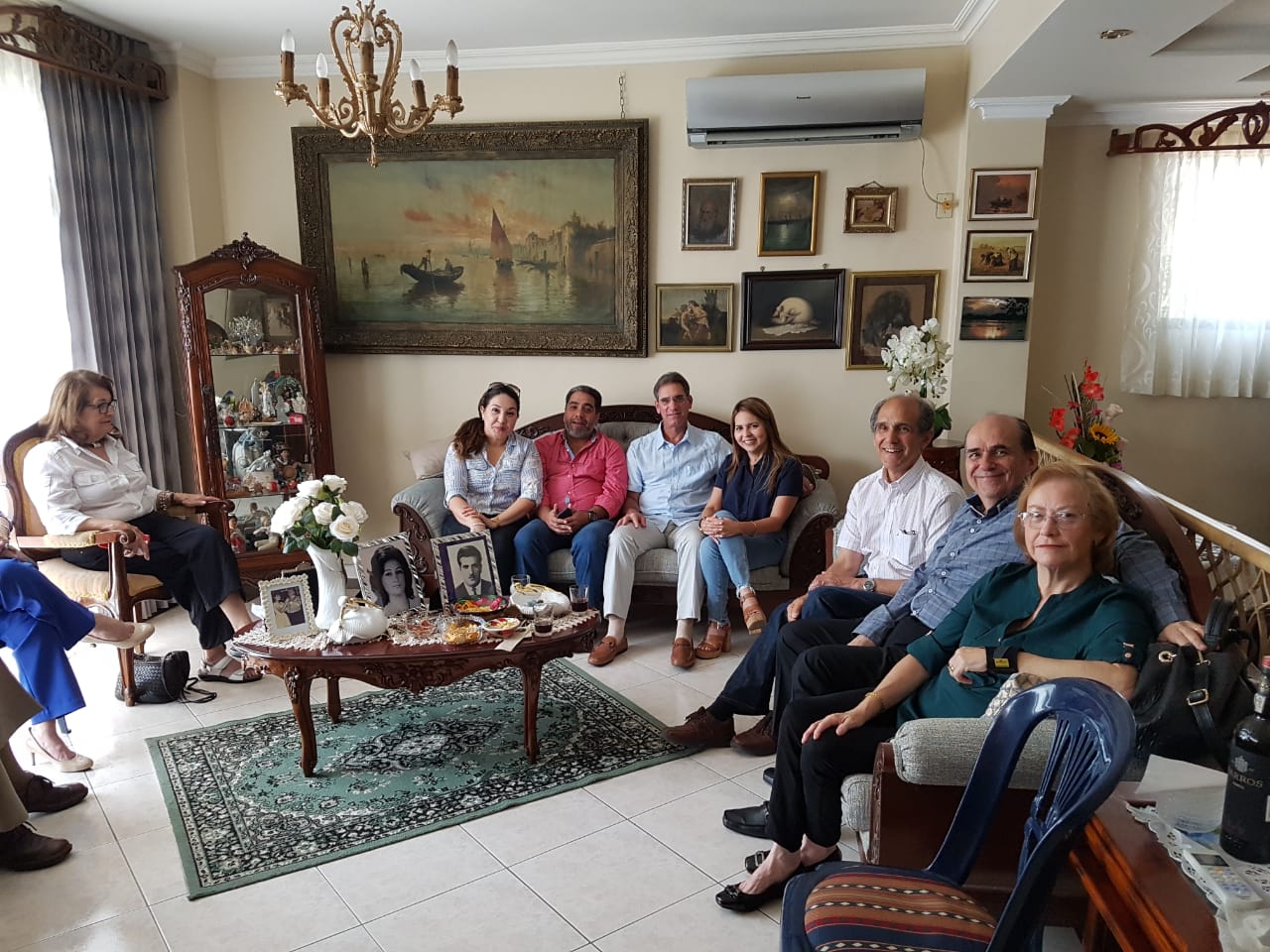
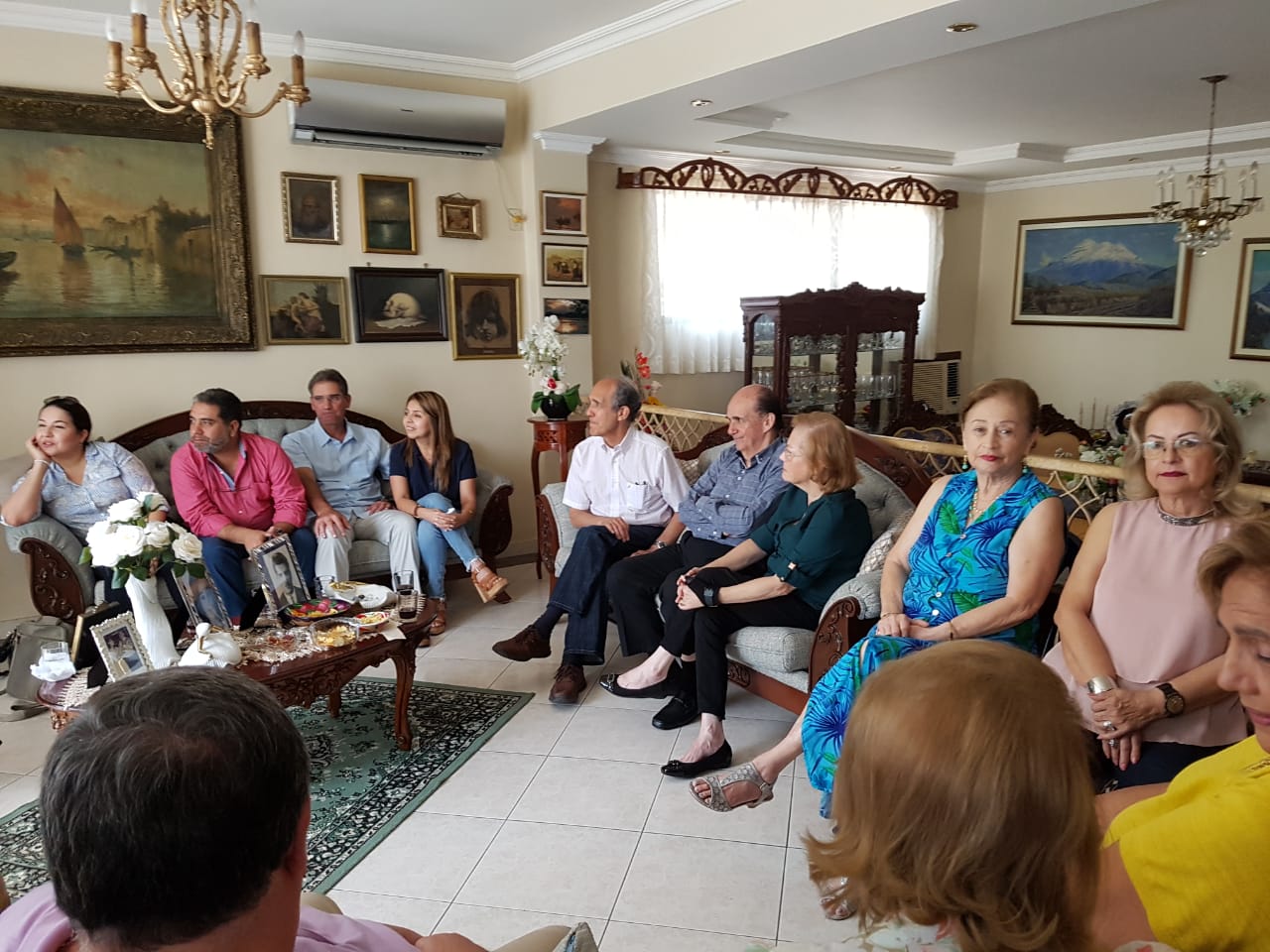
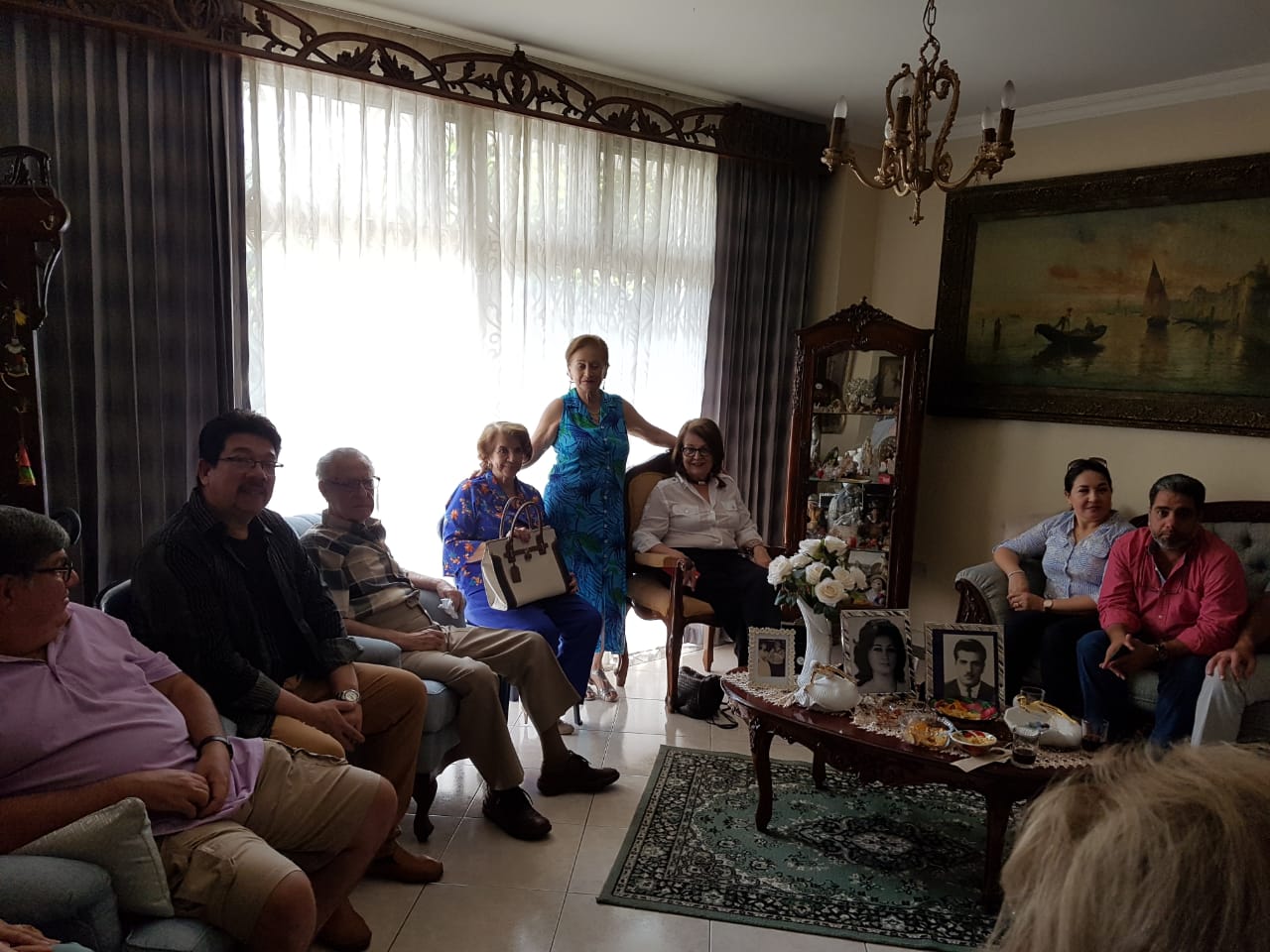
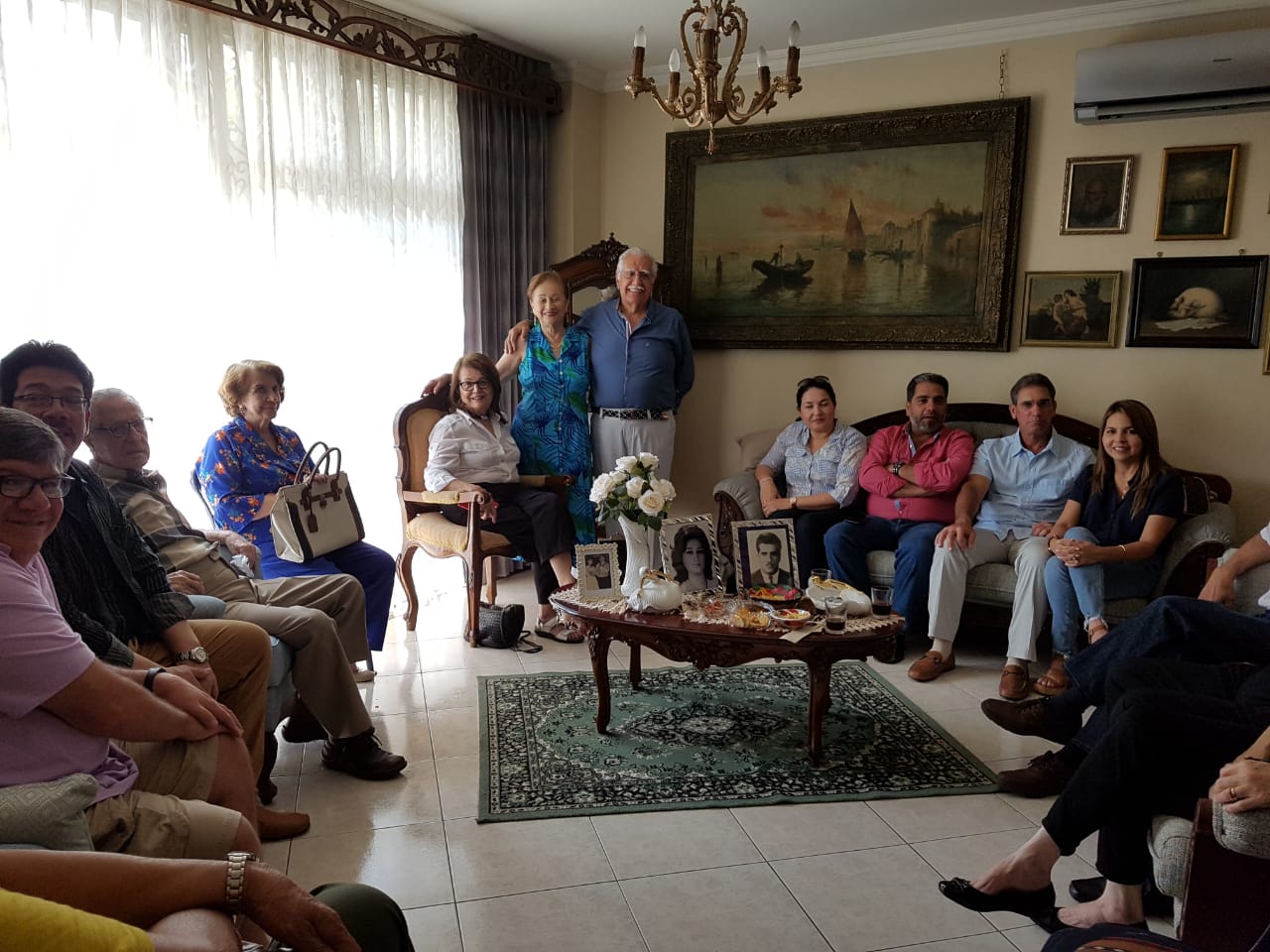
Most important of all was the visits with our relatives who were such magnificent hosts. In these photos you’ll see cousins and their spouses …descendants of Carmelina Del Pozo and descendants of Rafaela Serrano (first wife of Dr. Martinez) and even a family friend (Fausto) who has heard and remembers many details about our relatives over the years. Most of the photos were at the home of cousins Miguelito and Anita and Maria Elvira Martinez Davalos:
Quito
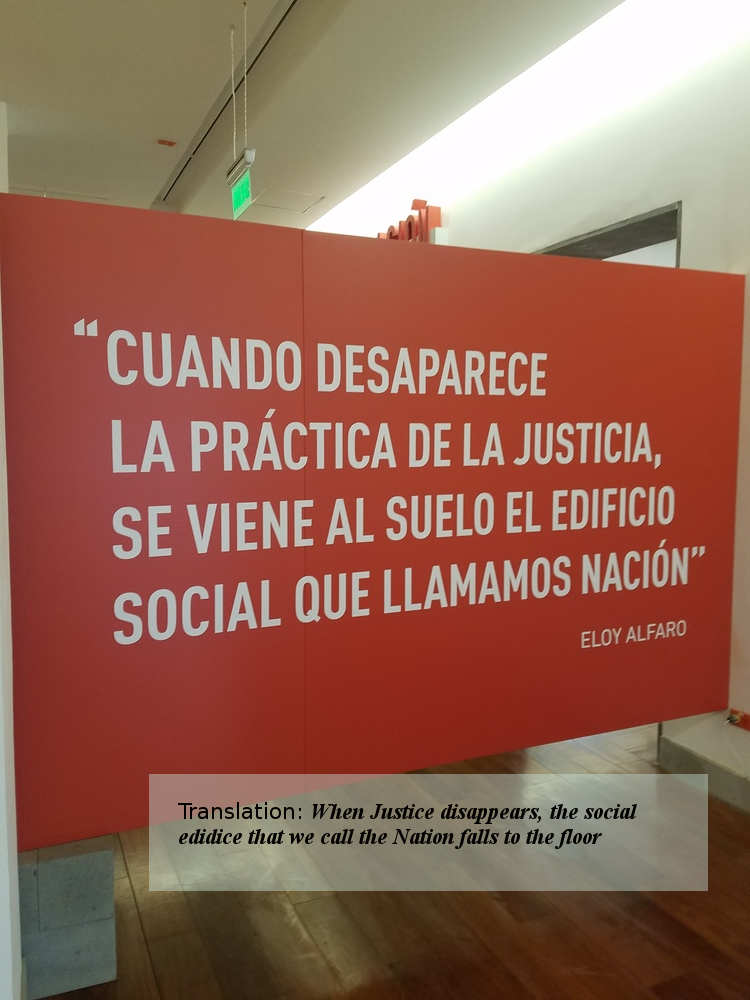
Our visit really started in Quito; we flew into the Quito Airport (but from different corners of the US). Probably due to the high altitude, flights from North America arrive at the Quito Airport in the middle of the night and the airport itself is located almost an hour’s drive from Quito. With Grace’s flight coming from New York and my flight coming from Seattle we booked flights scheduled to arrive within an hour of each other and booked a hotel very close to the airport for the first night. It worked. We went to our rooms and had breakfast together in the morning. Then it was on to Quito. 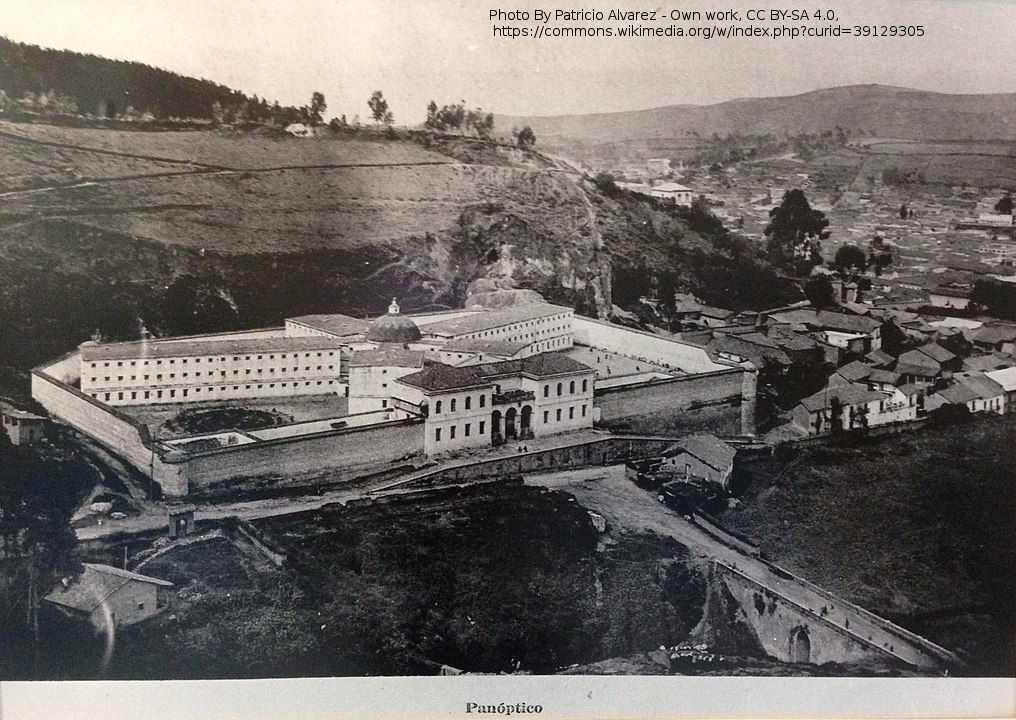 One of the things we did there was to take a taxi ride tracing the two-mile-trail of the Arrastre of Eloy Alfaro from the “Panoptico” (a huge prison built by President Garcia Moreno) through the mostly narrow streets of Quito to the large park (El Ejido) where the “Barbaric Bonfire” took place.
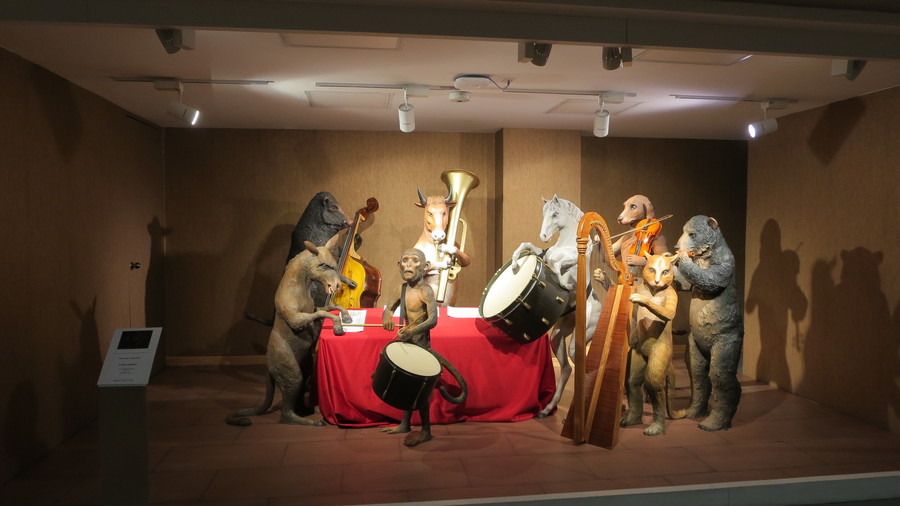
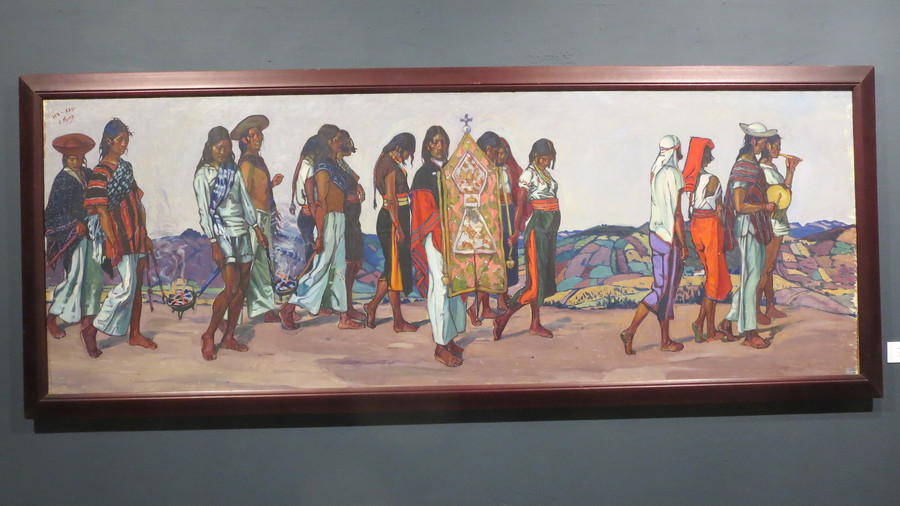
Then it was on to Museums such as the Ethnographic Museum and others:
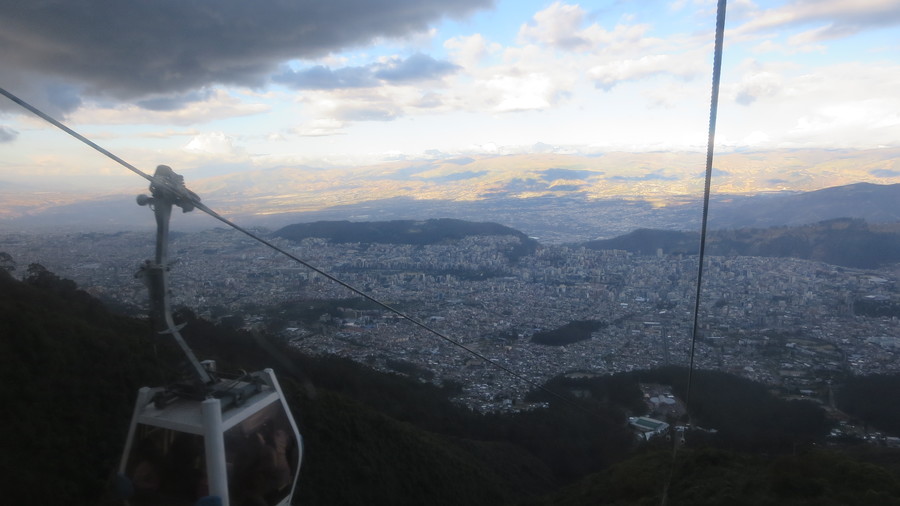
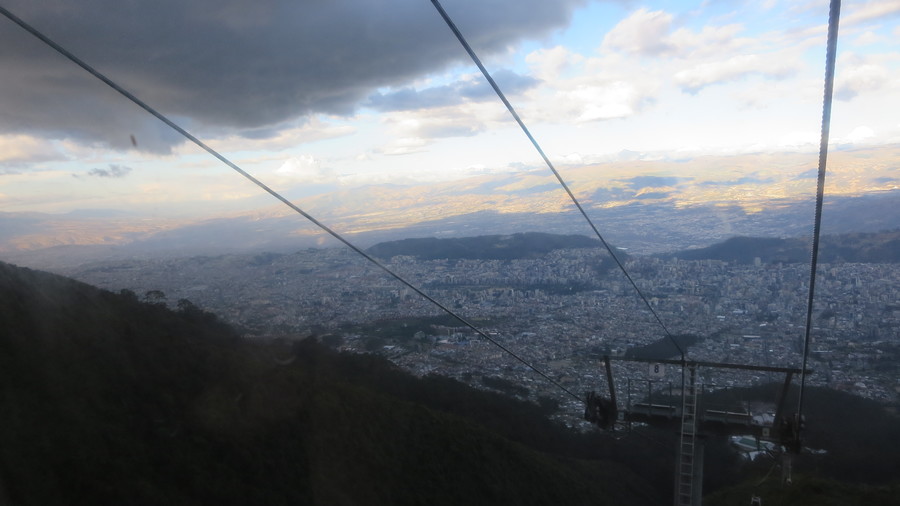
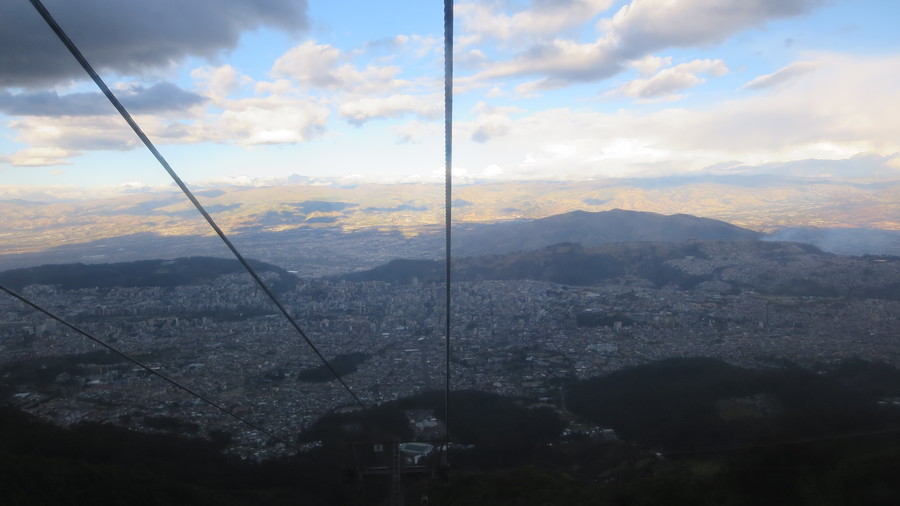
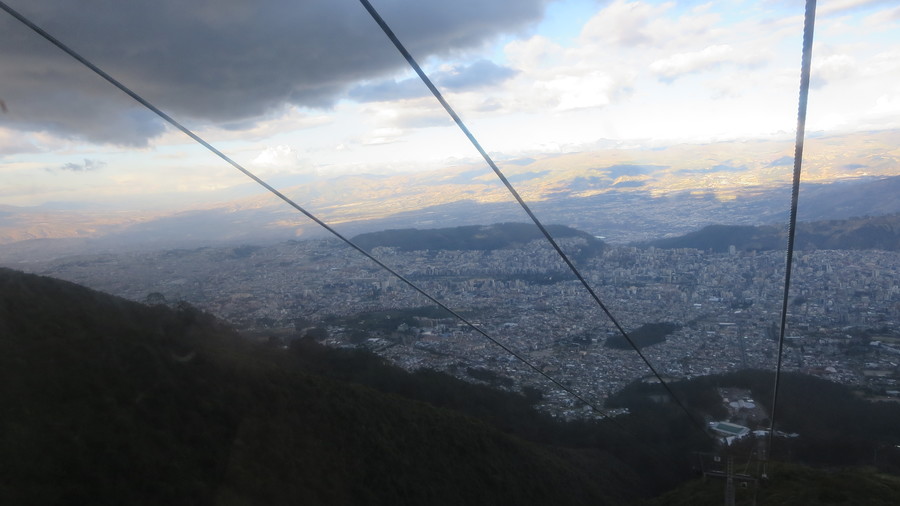
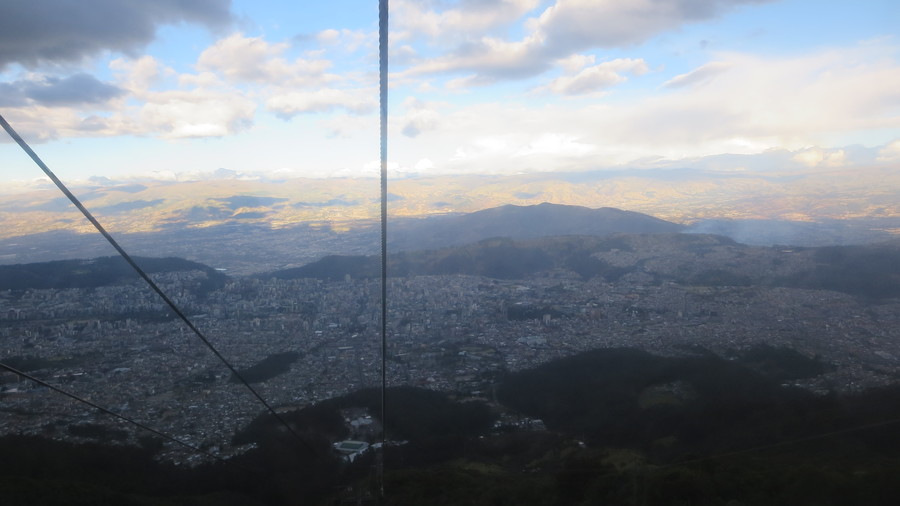
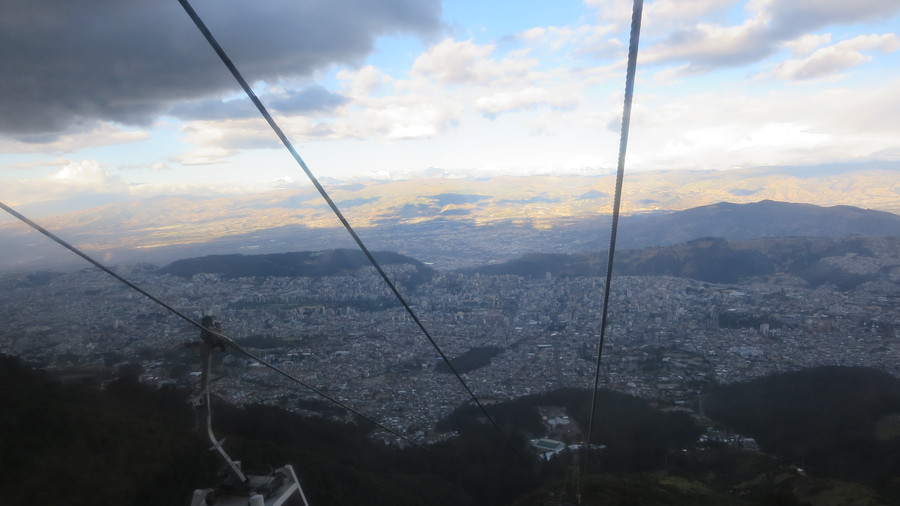
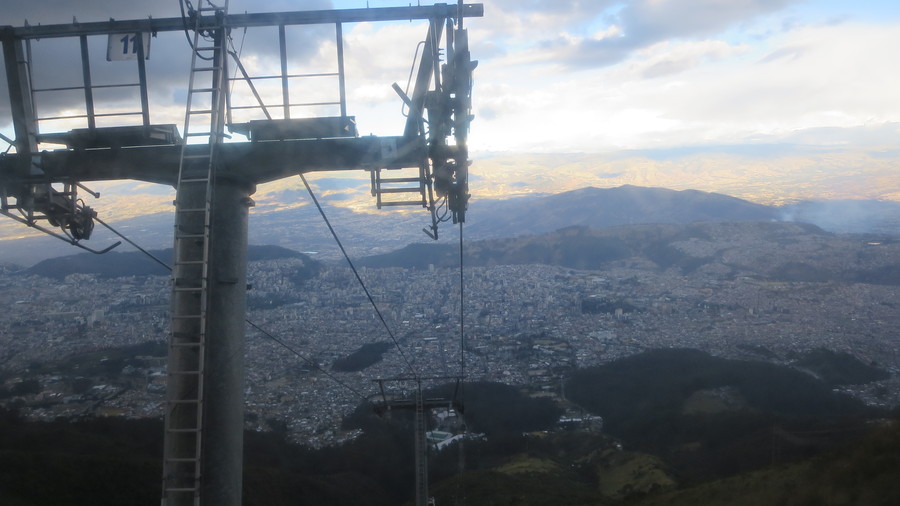
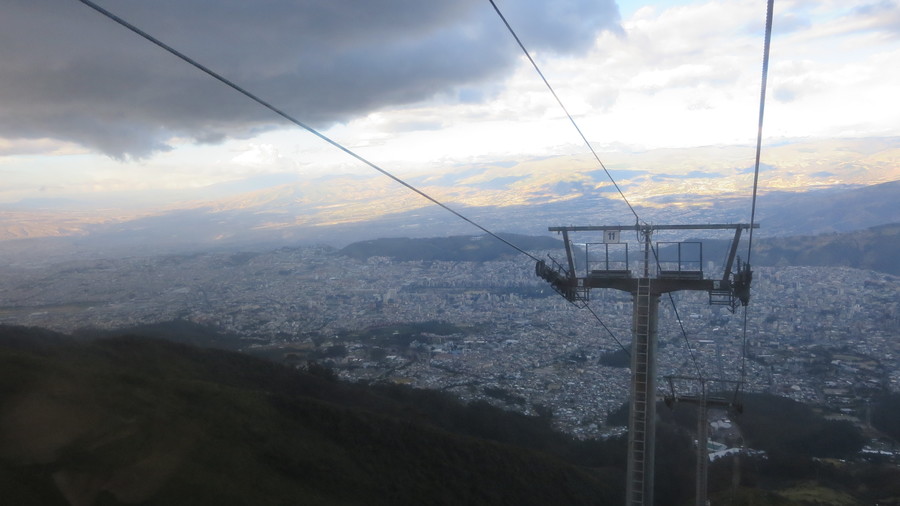
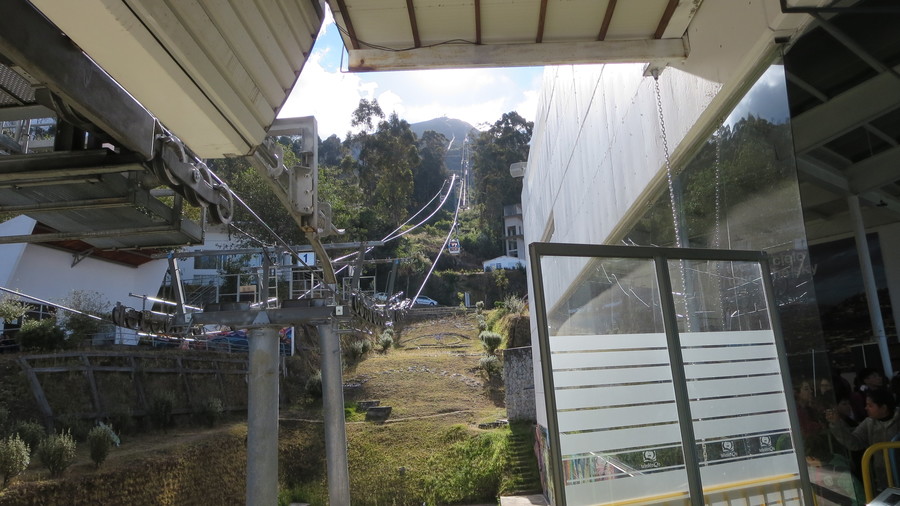
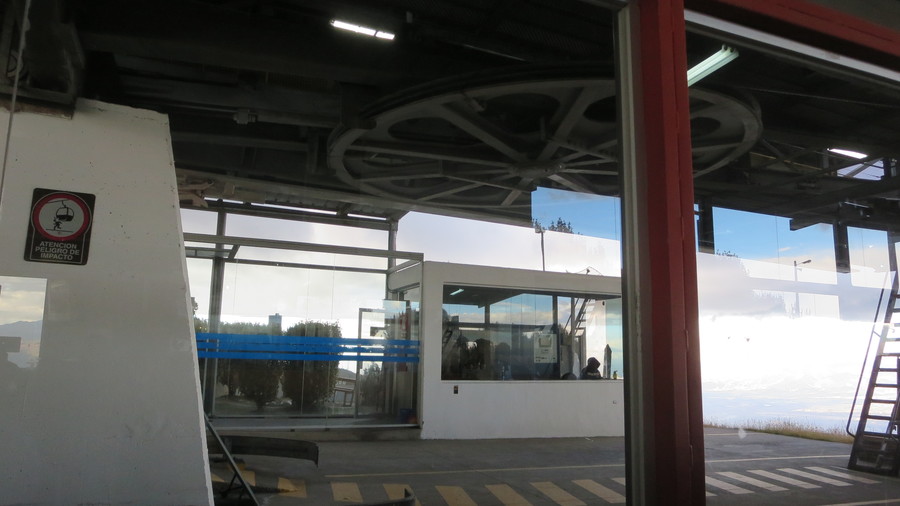
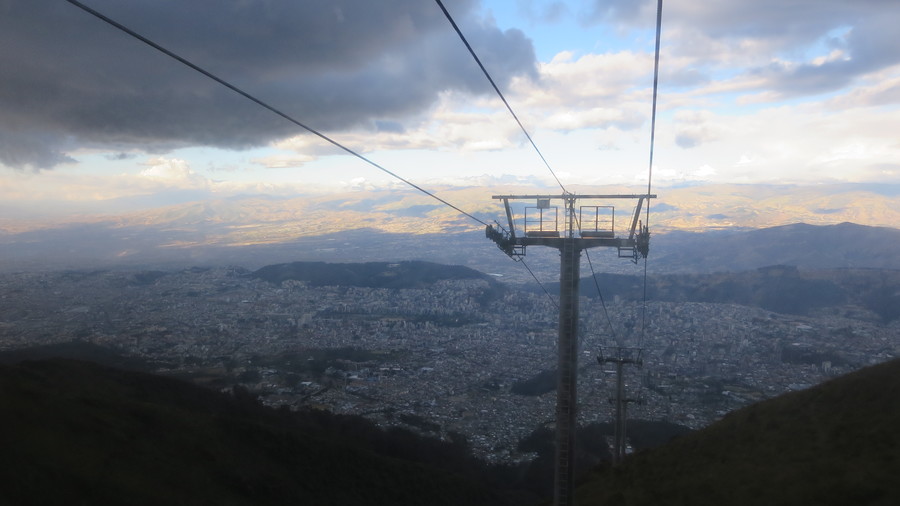
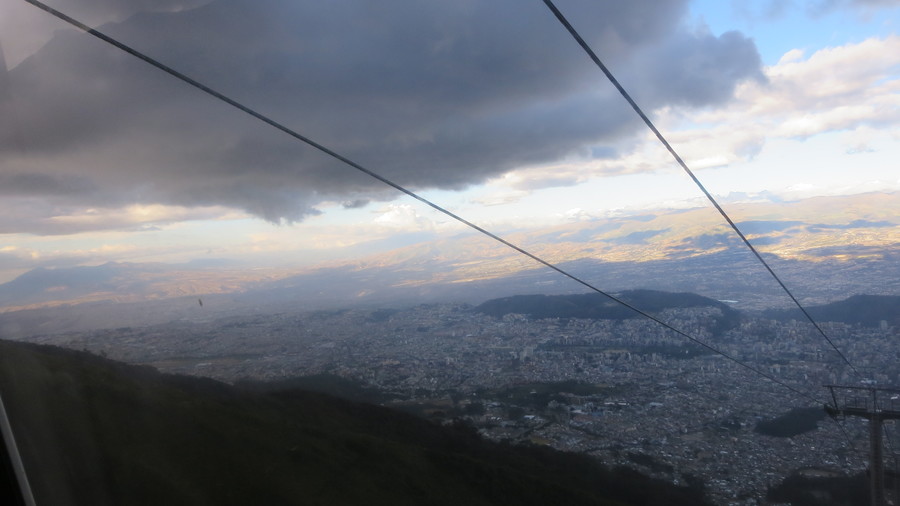
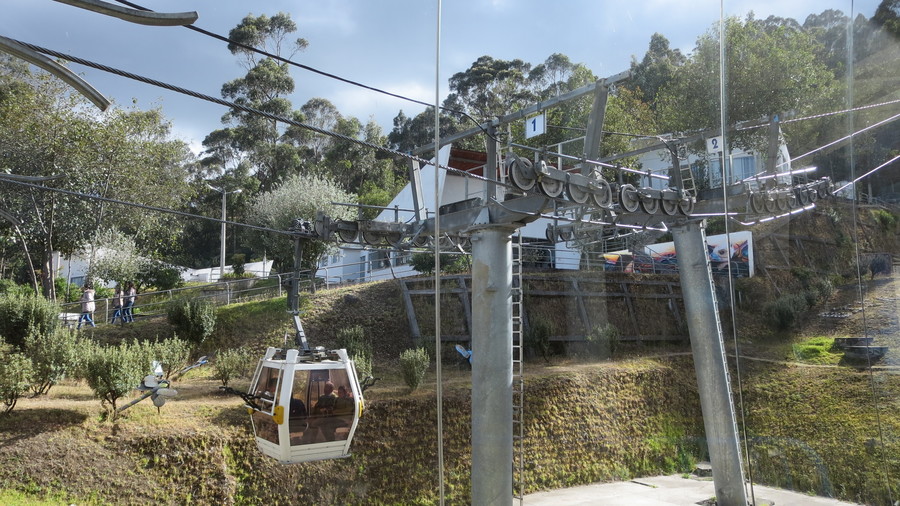
There is also a suspended cable car that takes passengers up a peak in the Andes high above the Quito for a spectacular panoramic view of the whole city area. It is called “The Teleferico”;
The presidential Palace
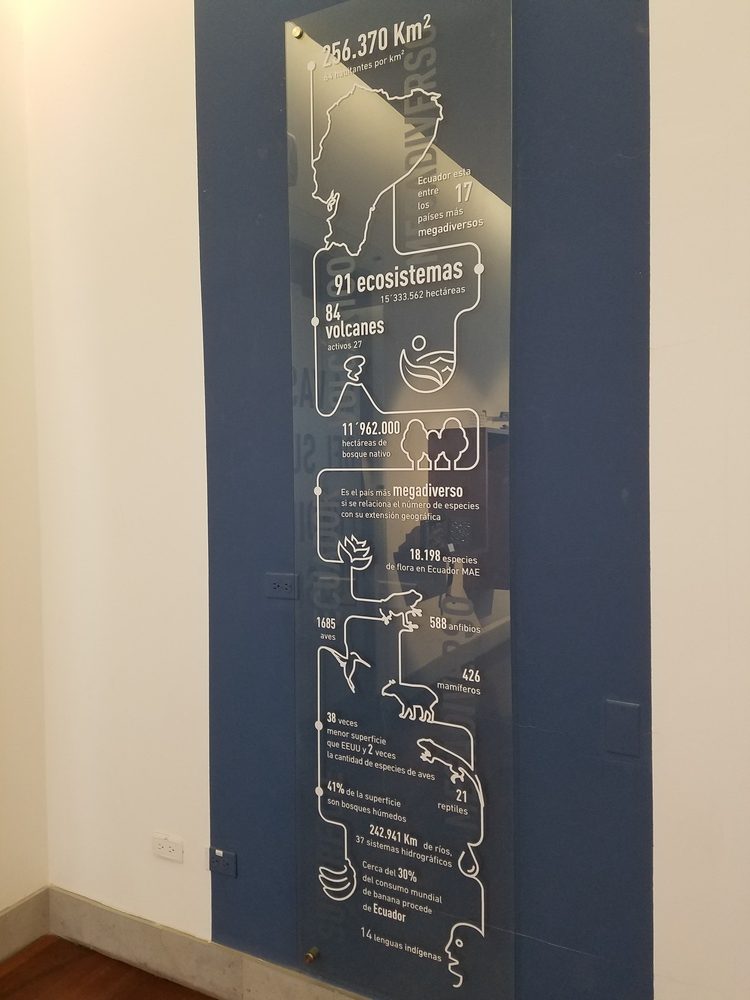
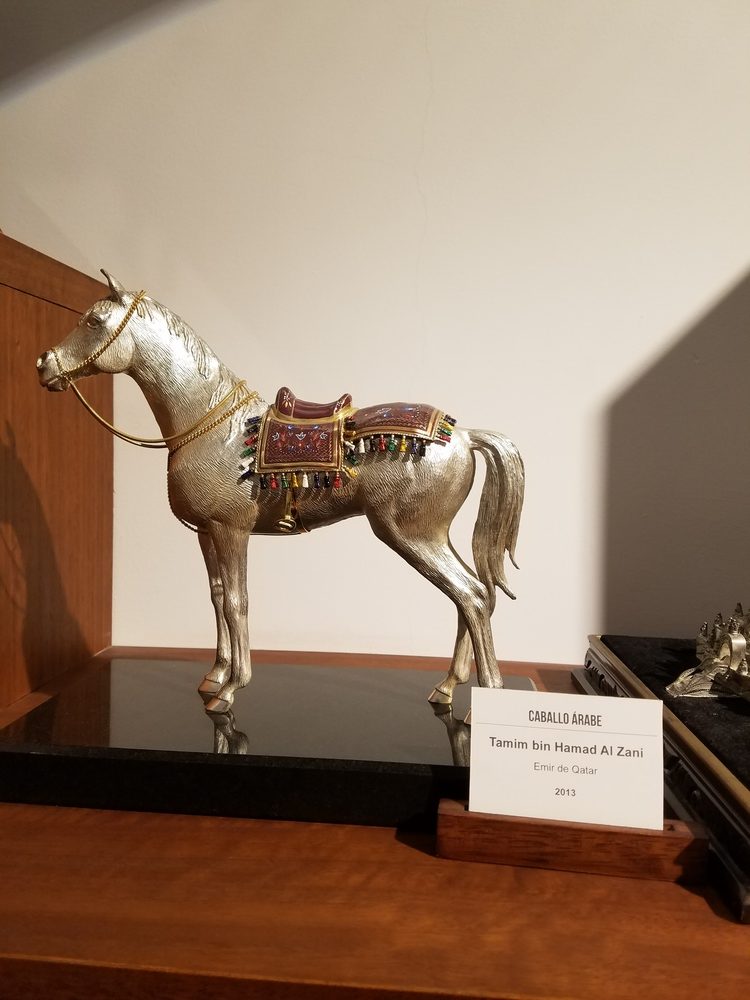
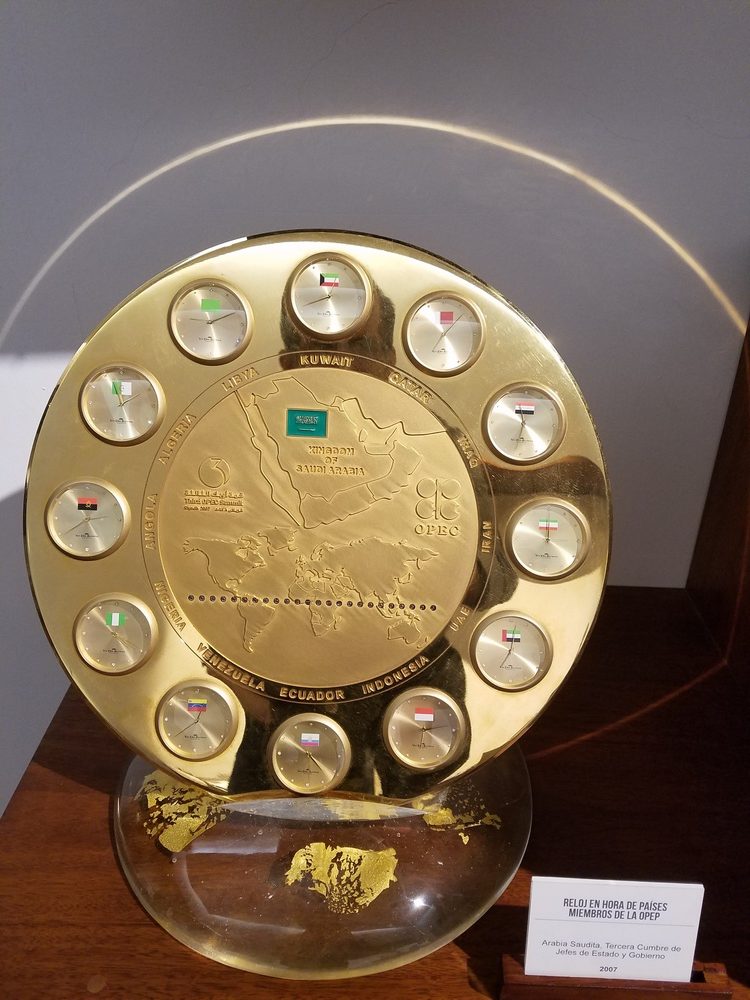
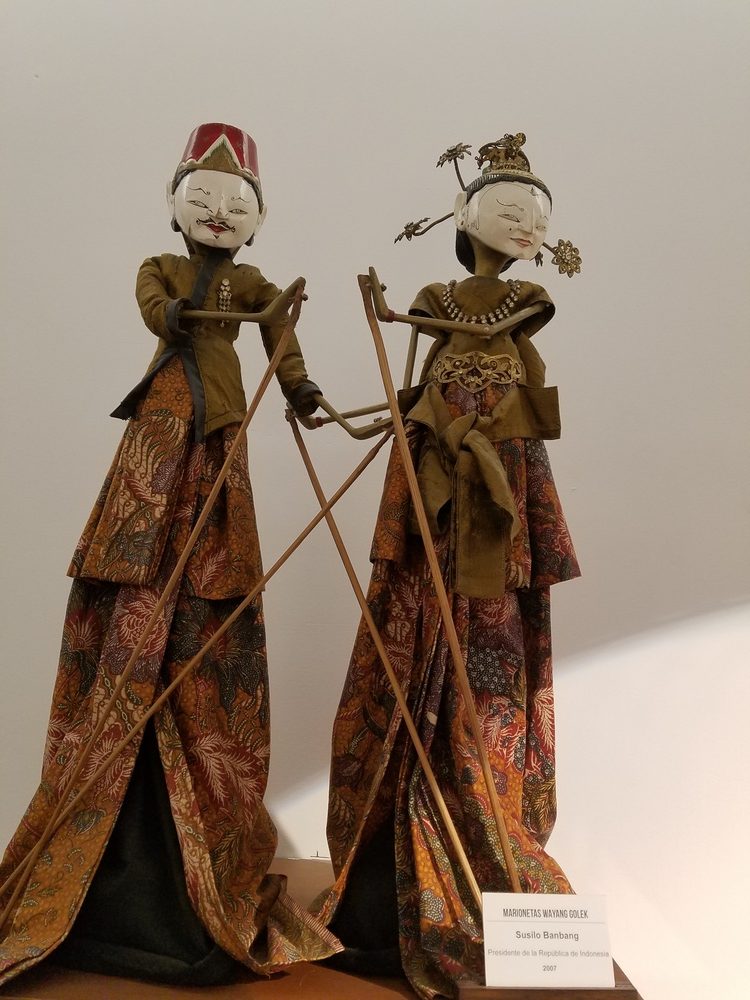
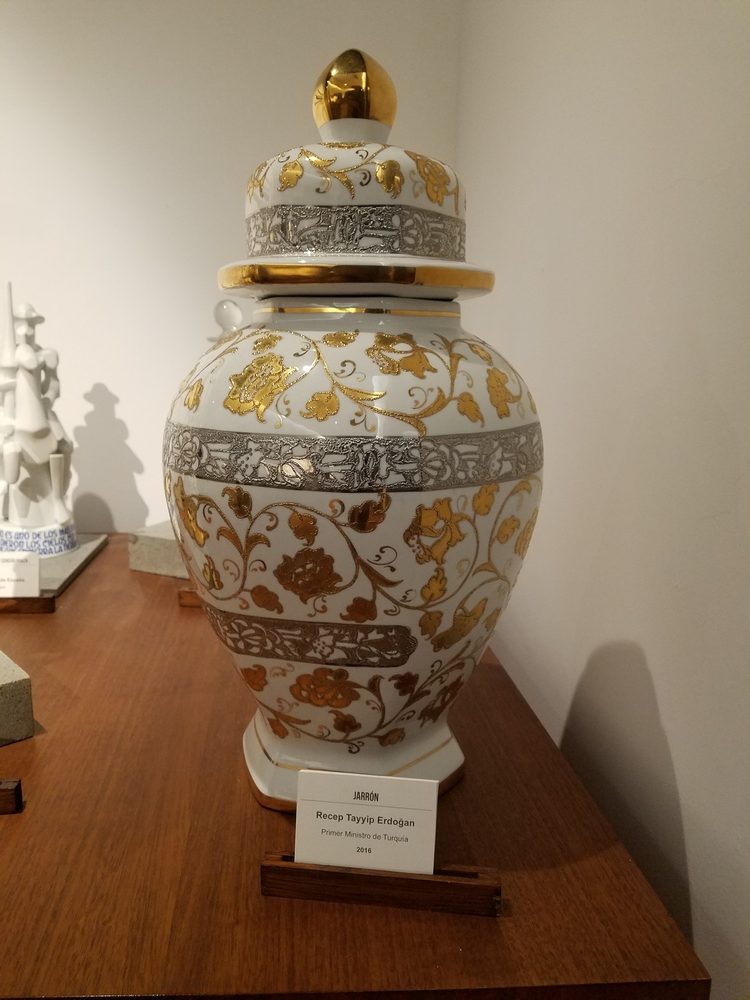
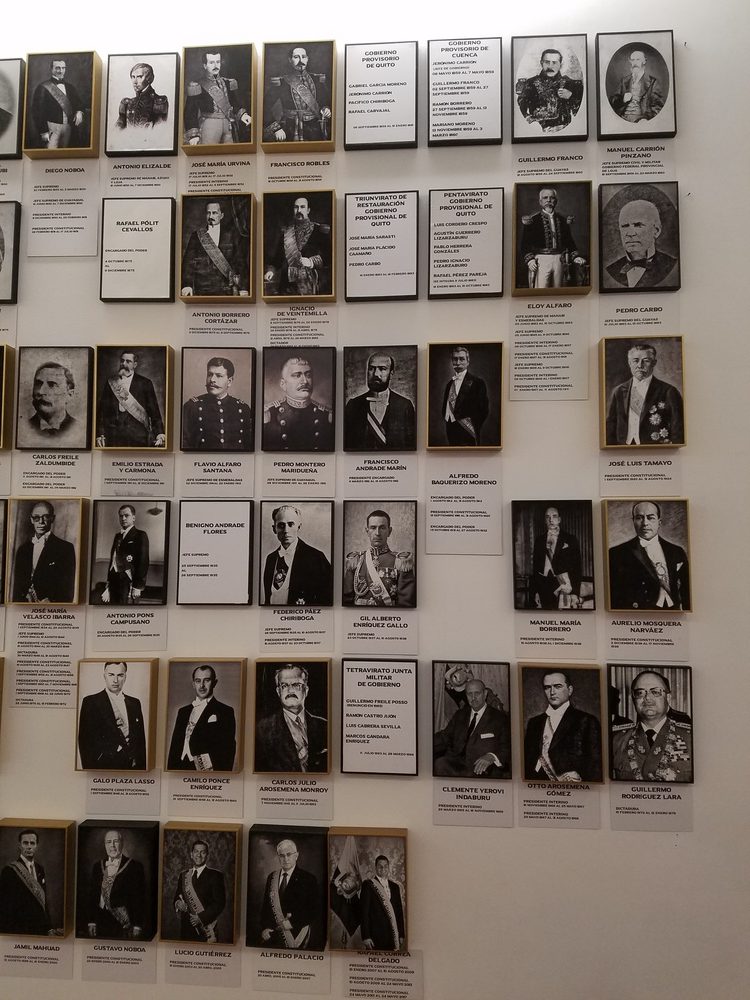
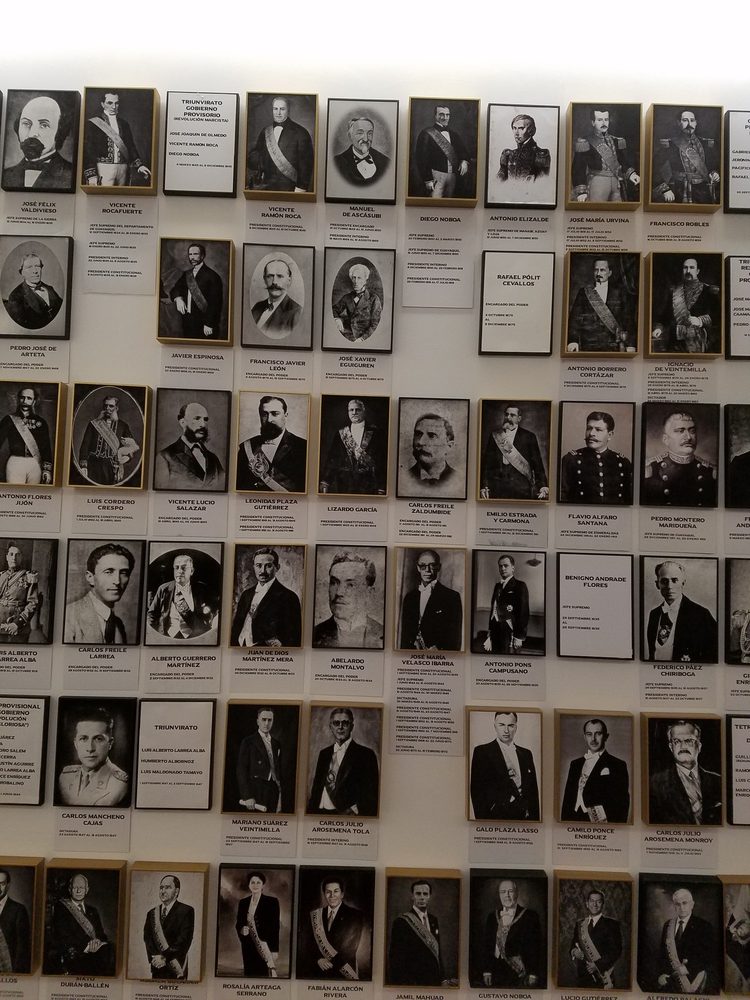
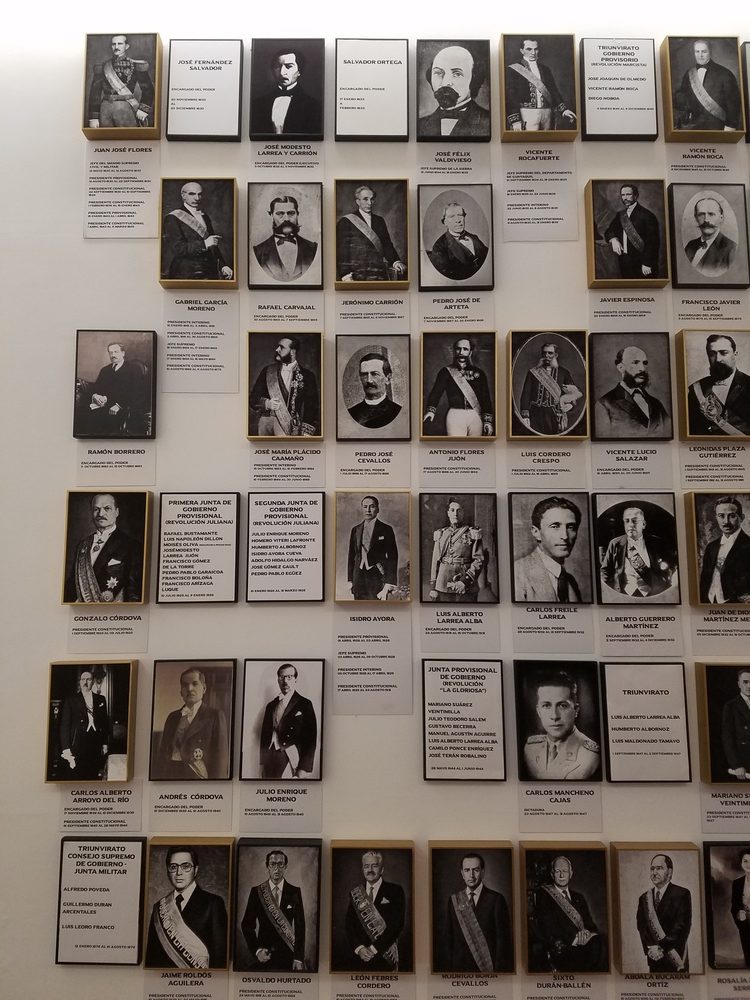
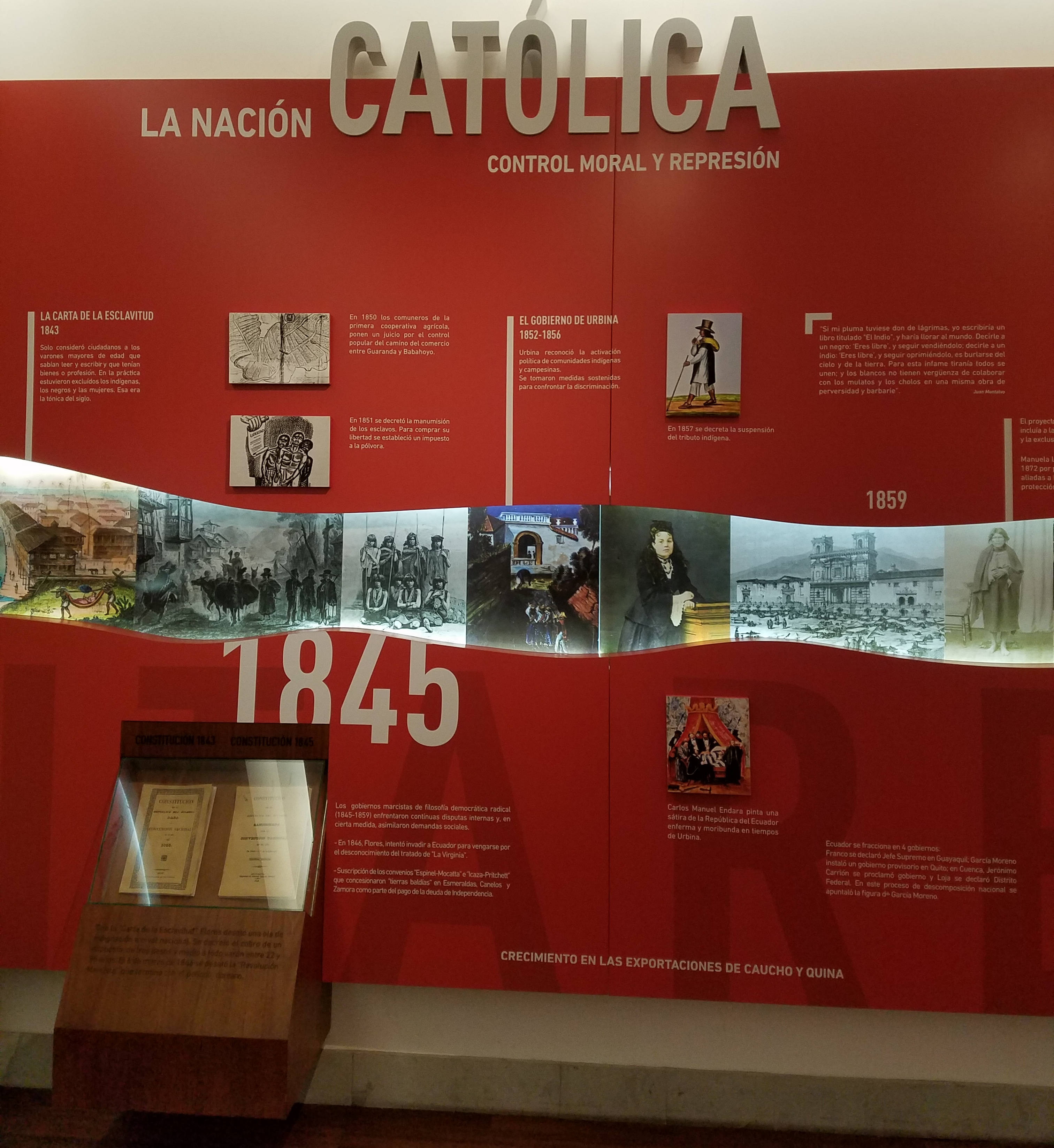
Next stop was a tour of the Quito Presidential Palace. It’s only recently that it has been open to the public for tours like this. The tour was in two parts – we were unprepared for the second part. The first part was historical. There was a large historical chart depicting the repression and moral control of “The Catholic Nation” that is such an overt part of Ecuador’s history. There was also a glass case with art objects related to cultural and political values that the government has come to venerate ( statue representing the “Mothers of the Plaza de Mayo”, replica of a handbag belonging to Che Guevara…etc…etc), photos of the many presidents of Ecuador and gifts to Ecuador from heads of state of the various countries of the world:
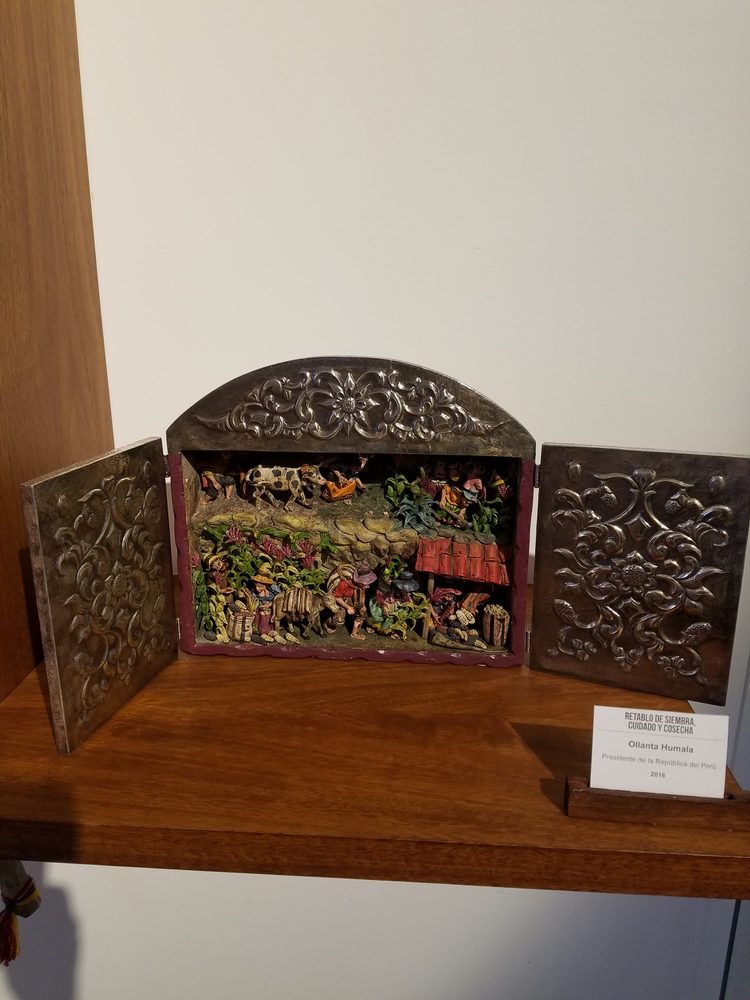
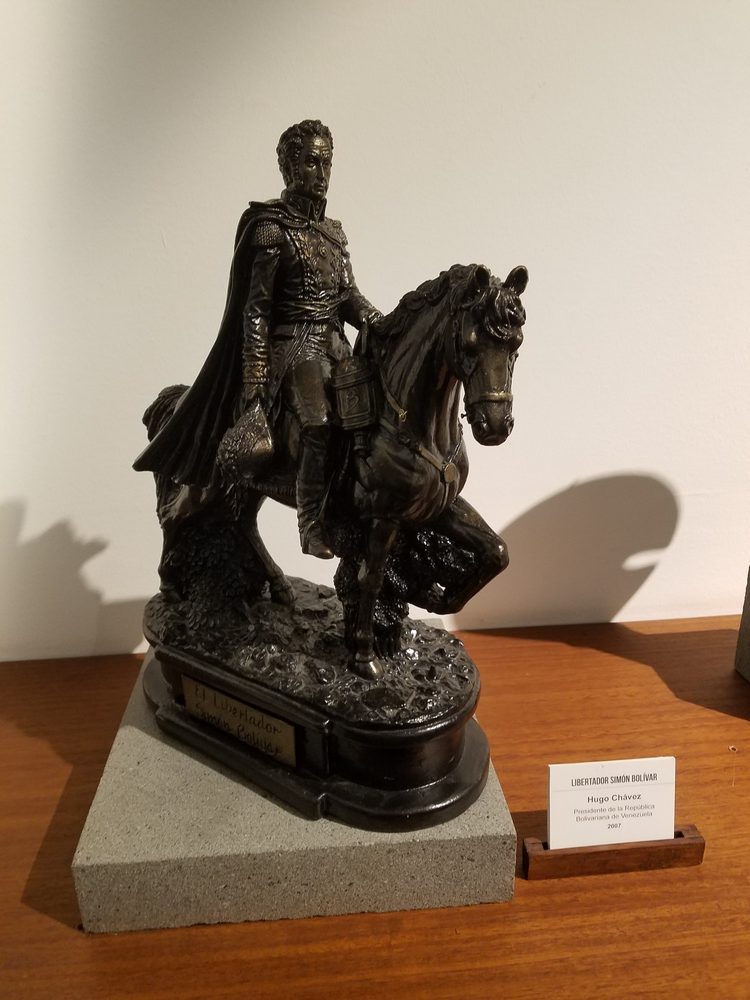
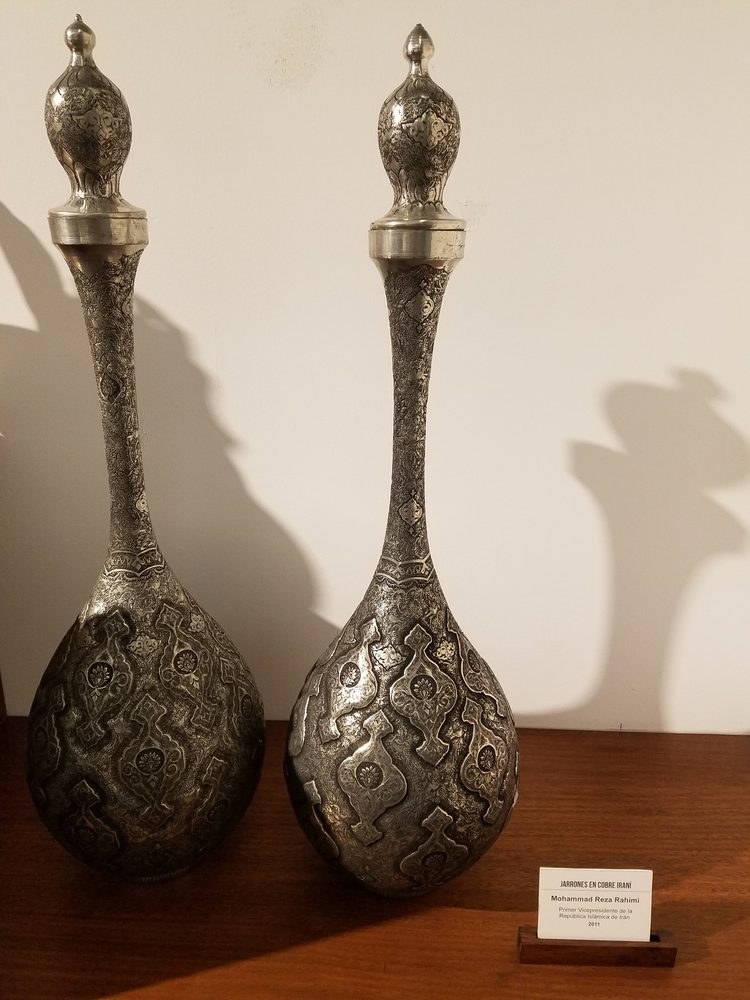
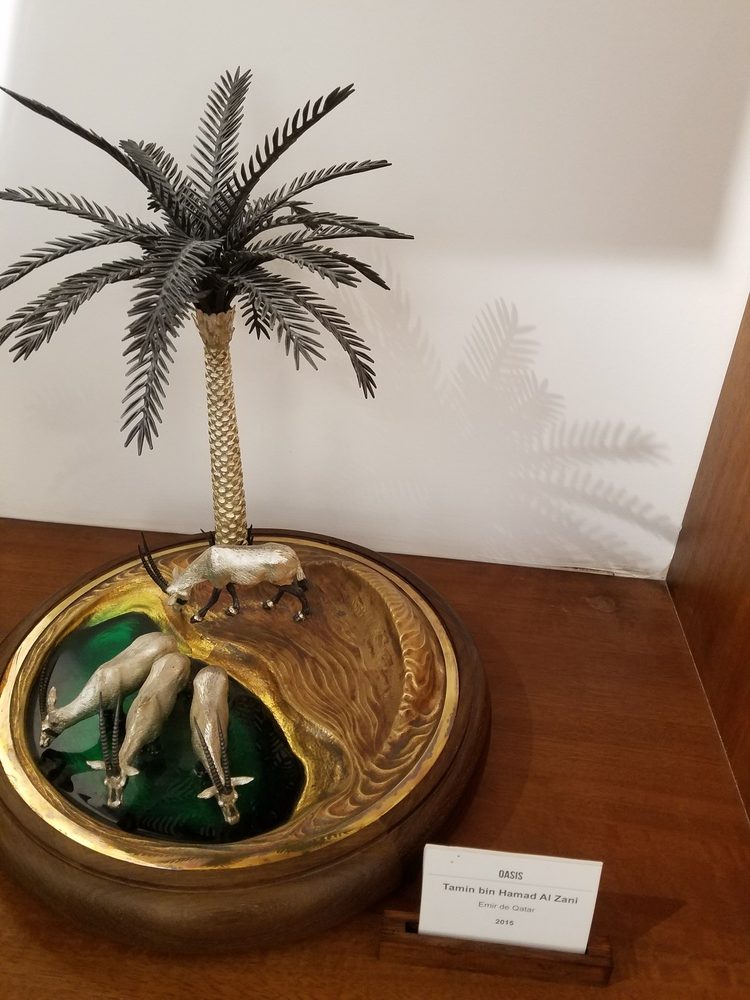
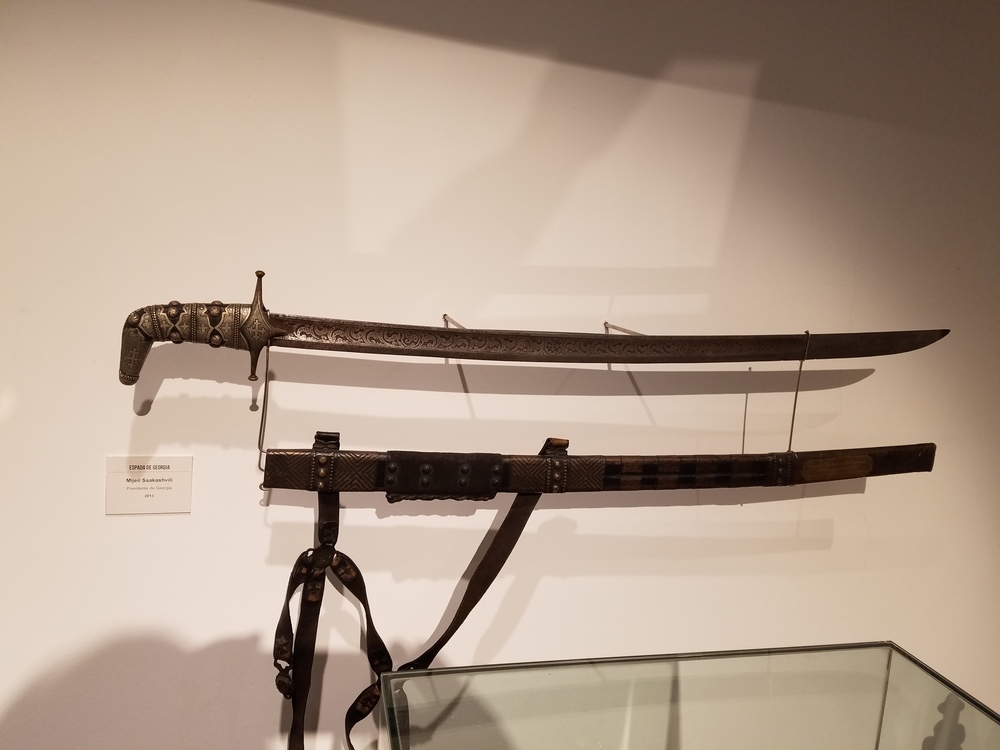
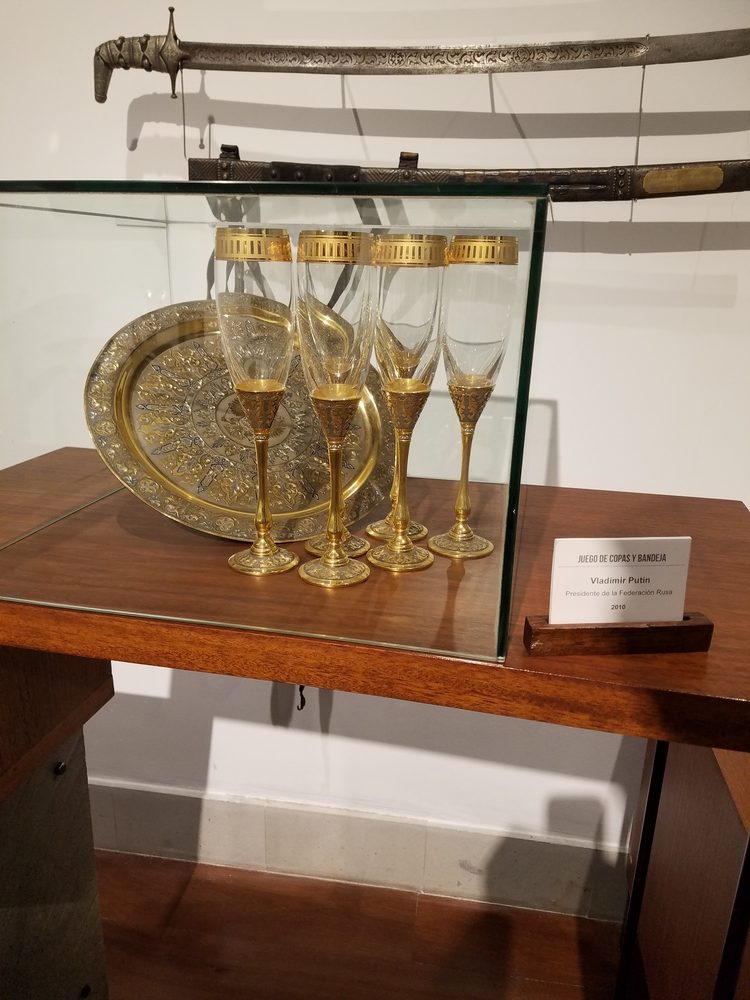
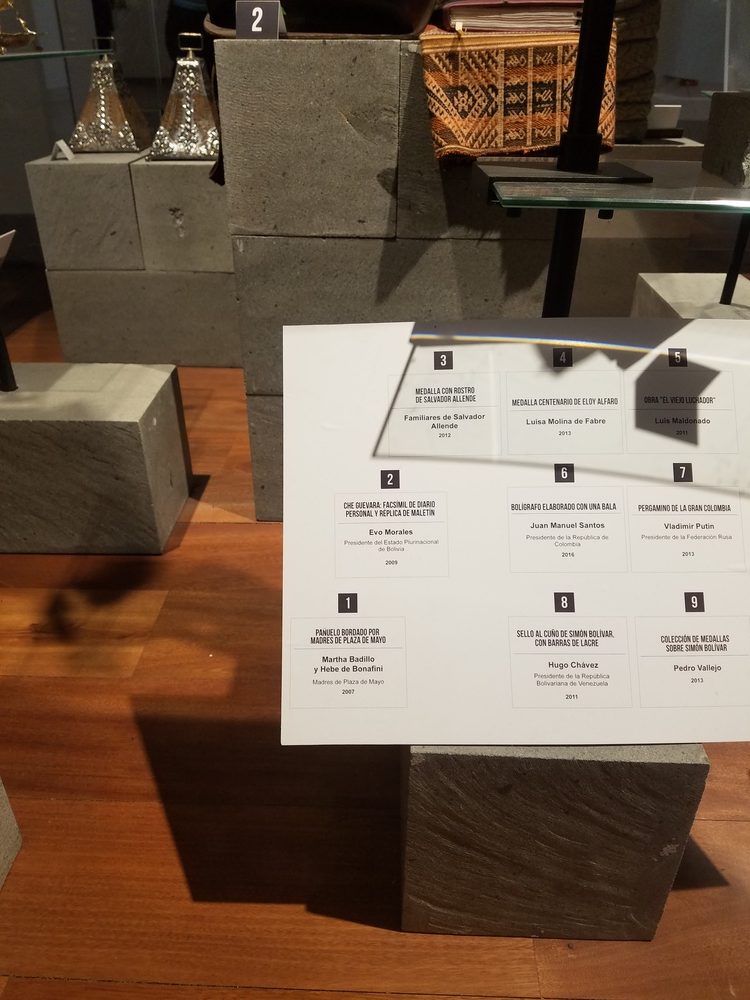
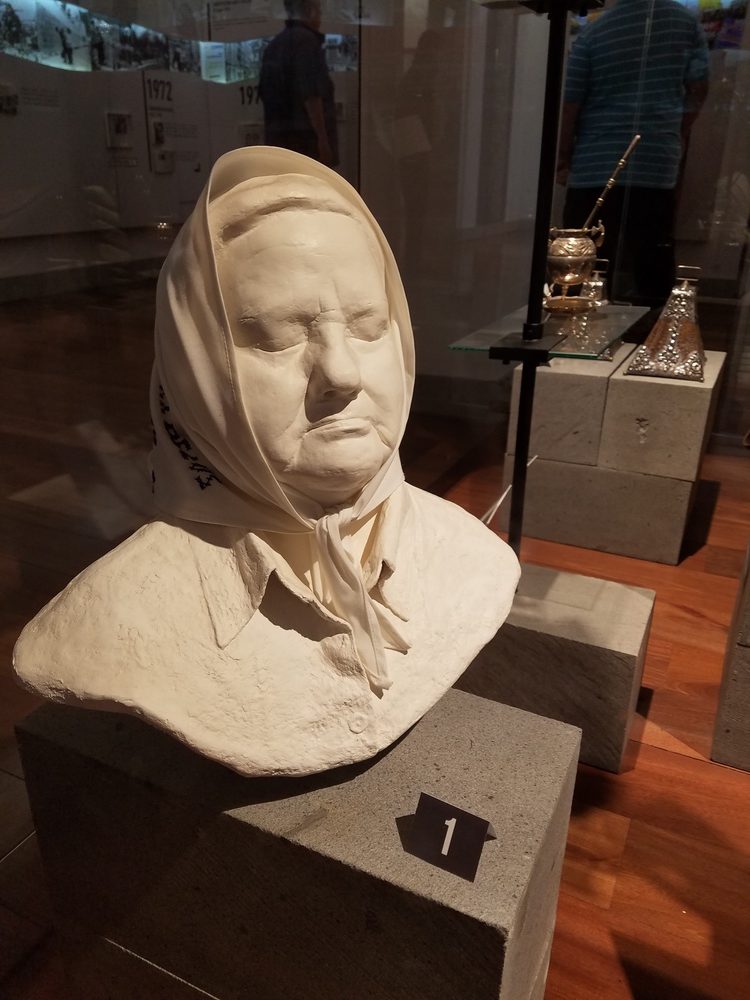
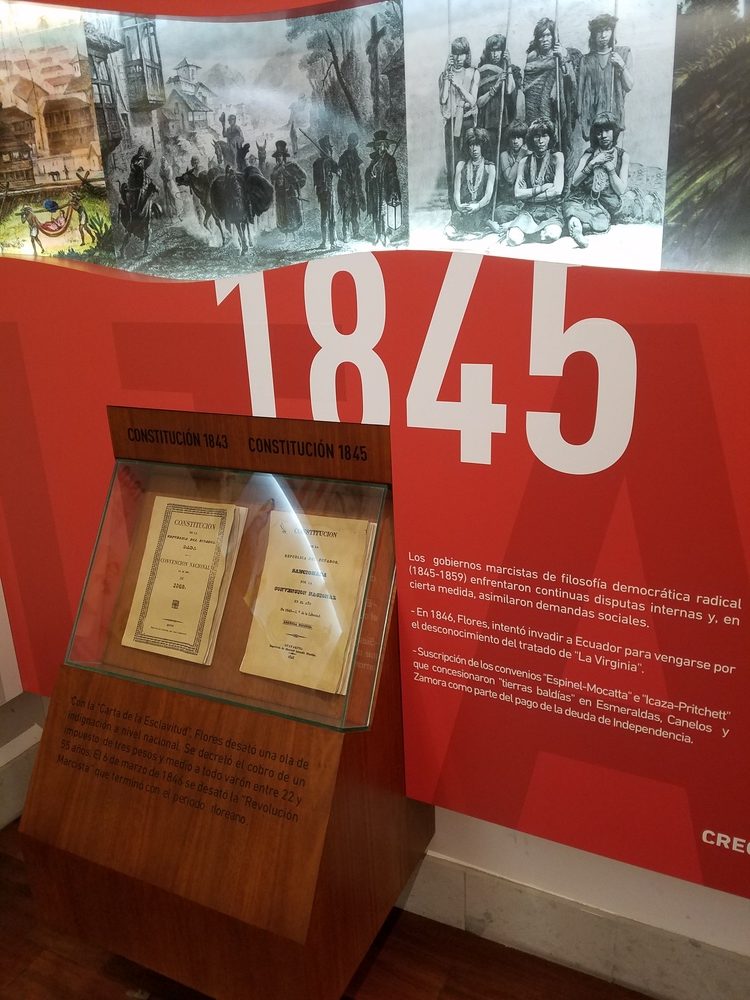
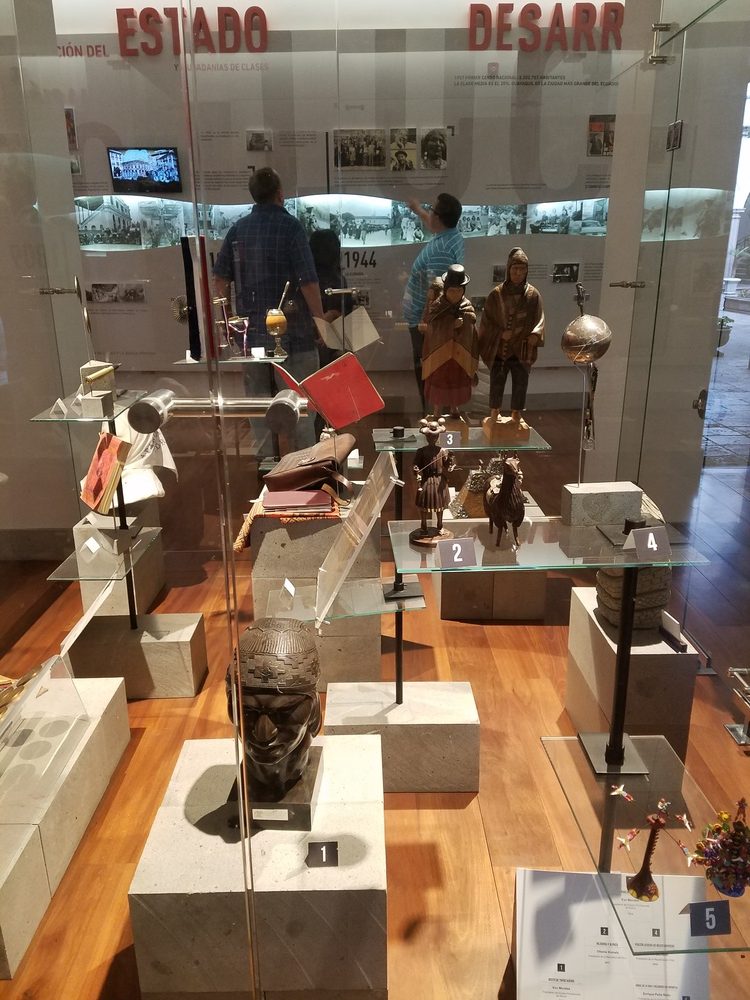
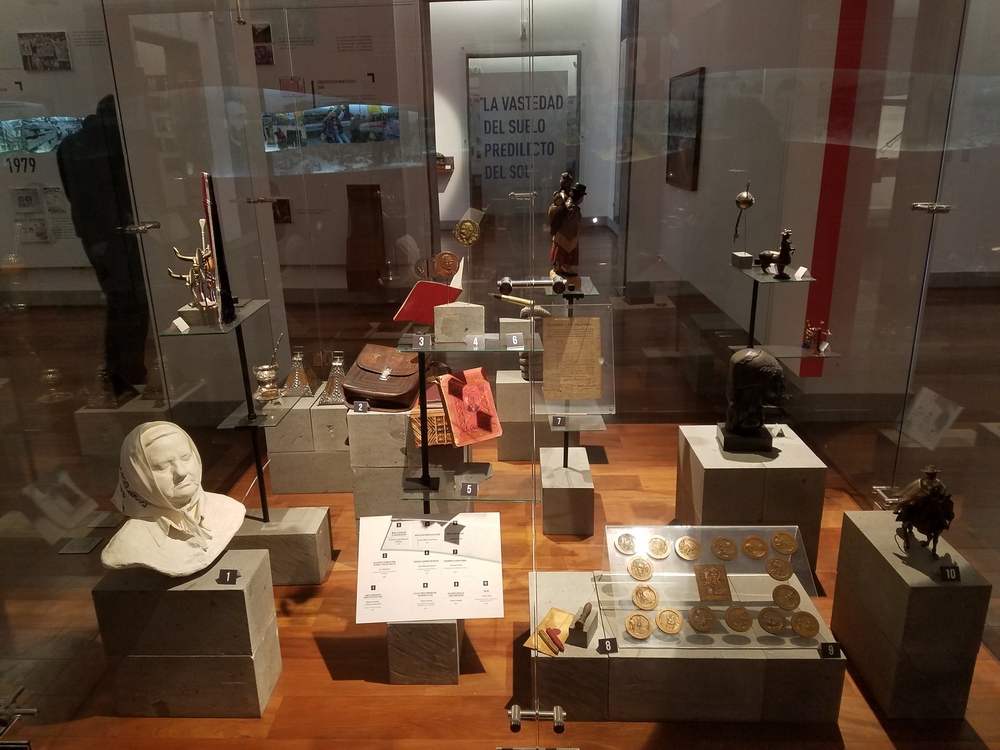
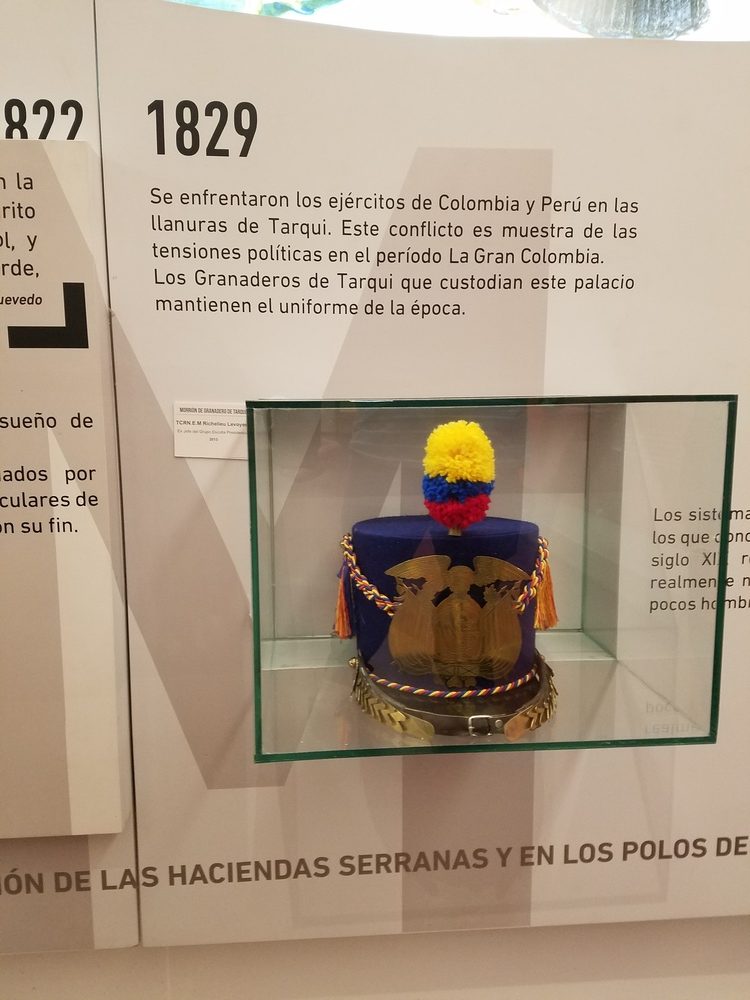
1829: “The armies of Columbia and Peru clashed on the plains of Tarqui. This conflict epitomizes the political tensions in the ‘Gran Columbia’ period. The Tarqui Grenadiers who guard this palace maintain the uniform of the time.”
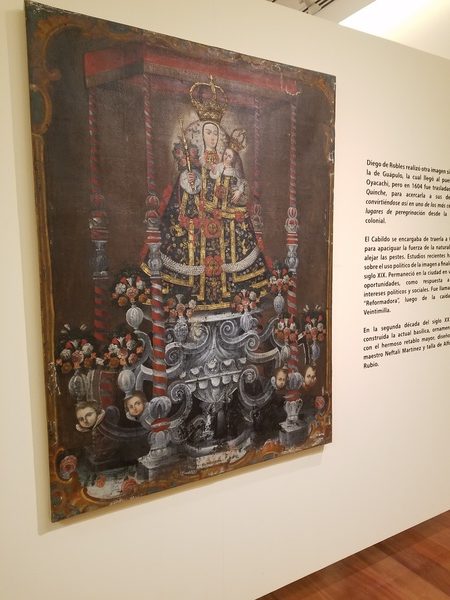
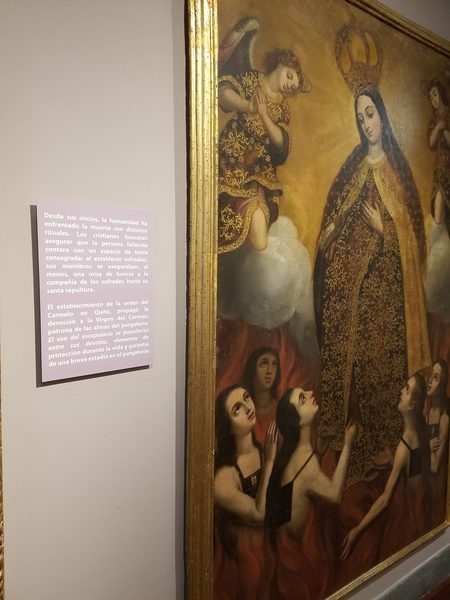
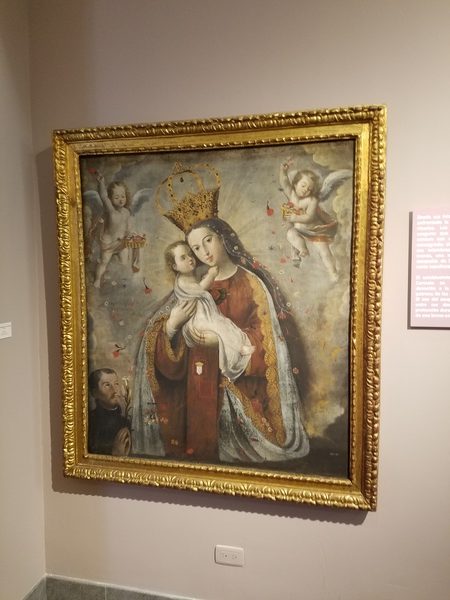
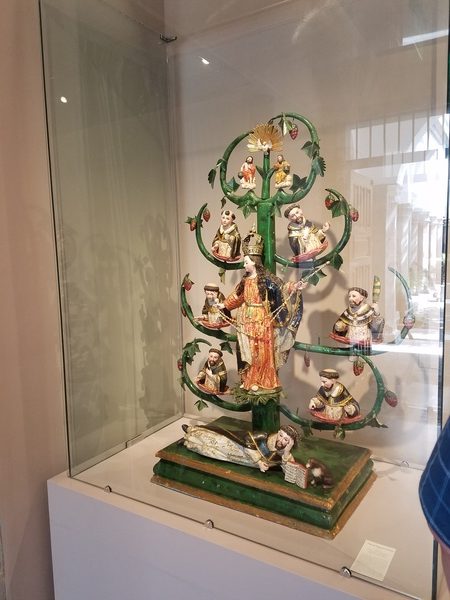
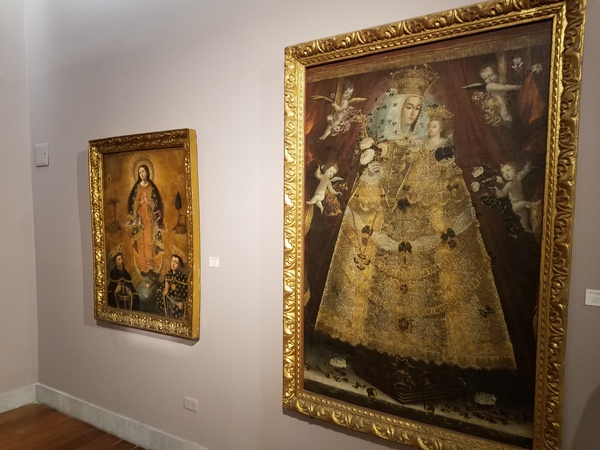
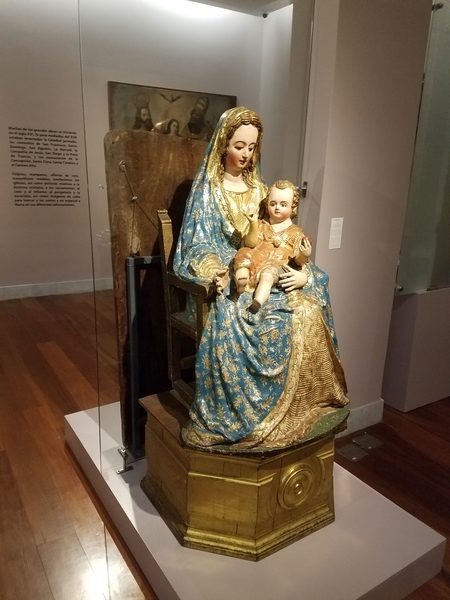
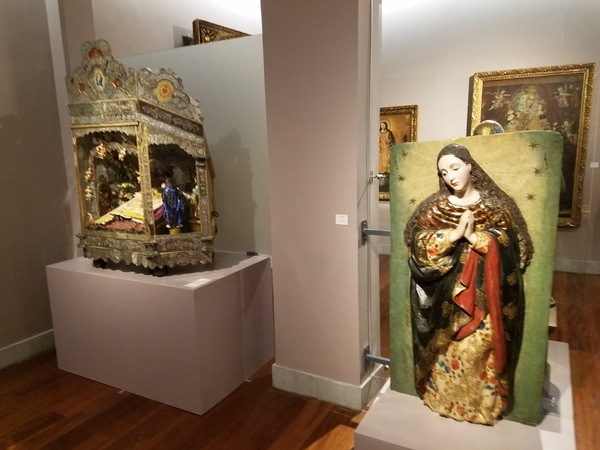
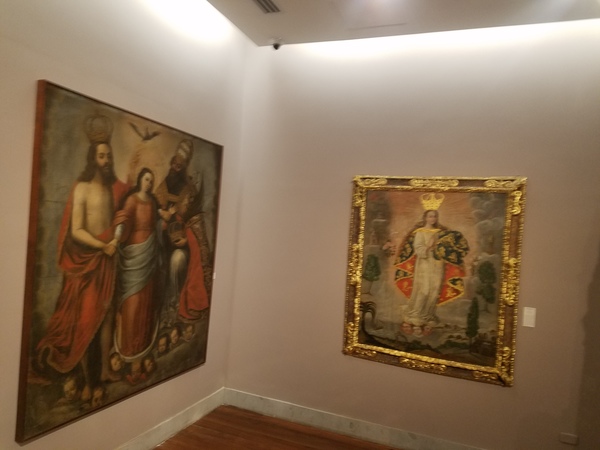
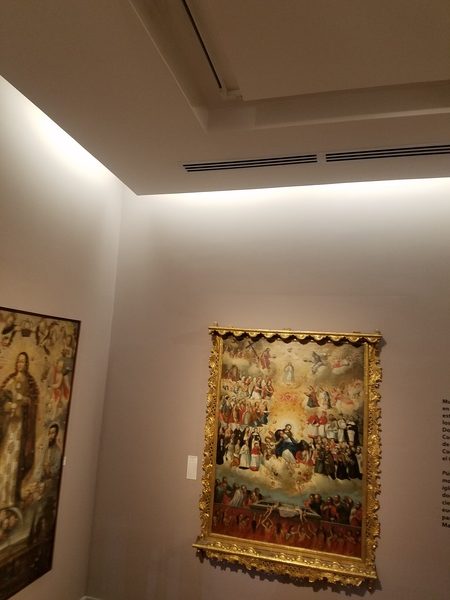
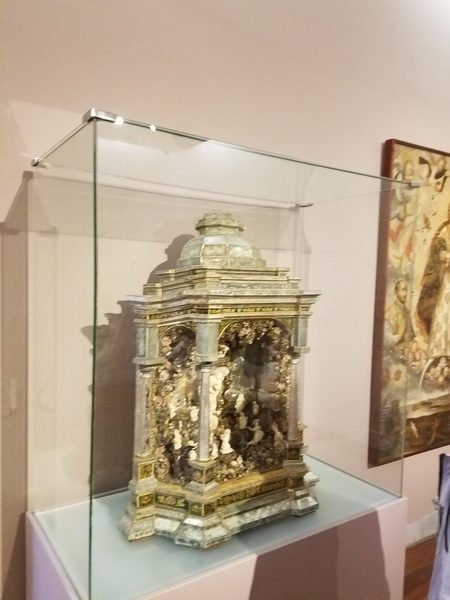
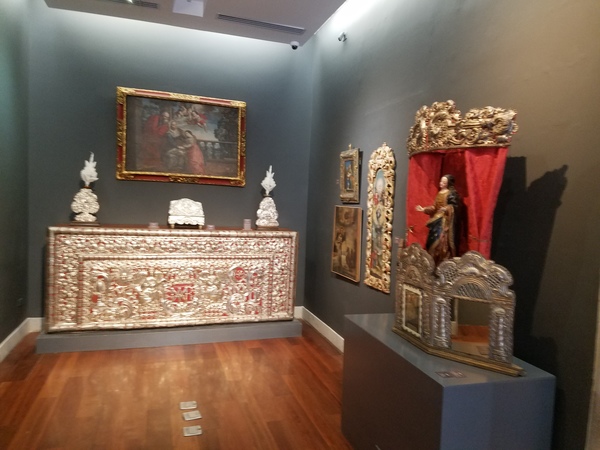
To our surprise, we discovered that for the second part of the tour several rooms had been packed with religious images and we were led through these rooms as part of the tour of the Presidential Palace – a government building and residence of the President! Nothing in the tour description had mentioned this component of the tour and it certainly seemed very out-of-place:
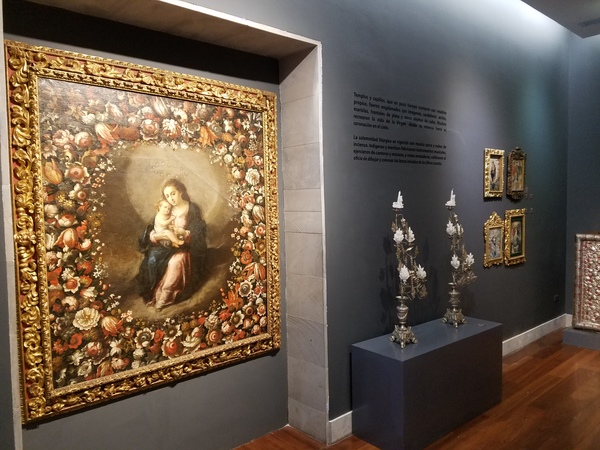
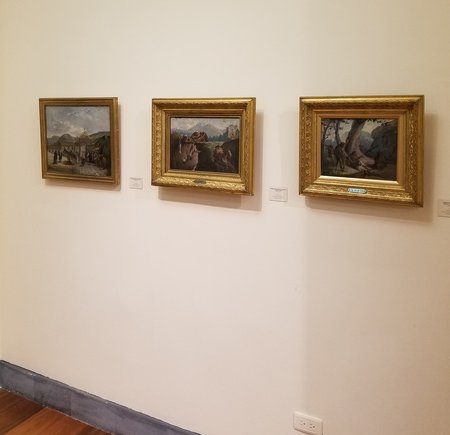
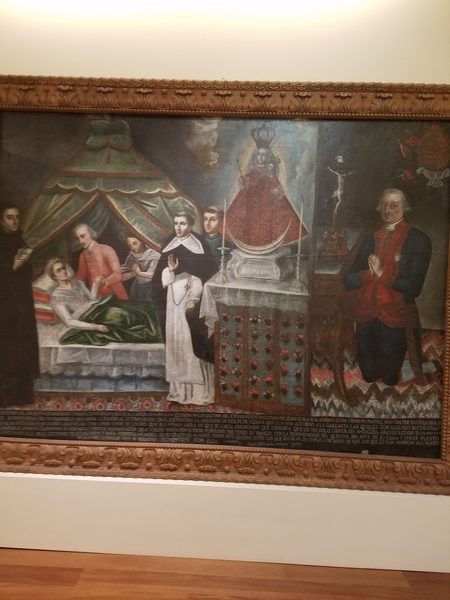
Guayaquil – and side trip up into the Andes
After just a few days in Quito it was off to a flight to Guayaquil where we spent most of our time.
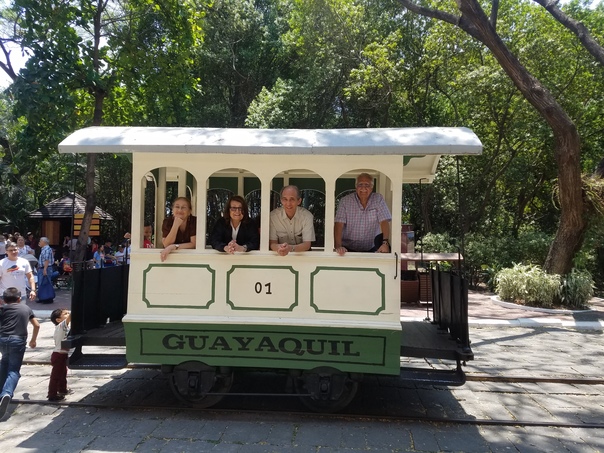
Parque Historico
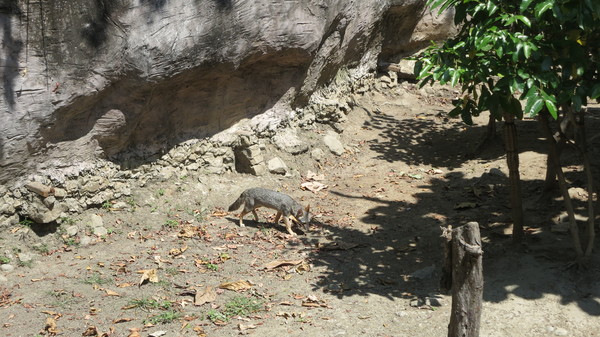
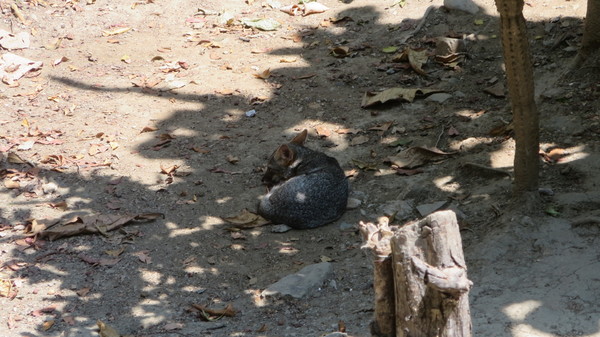
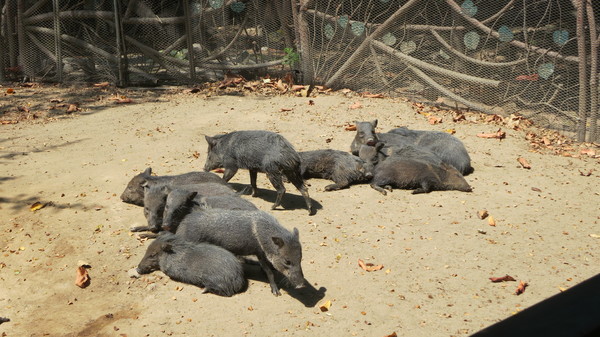
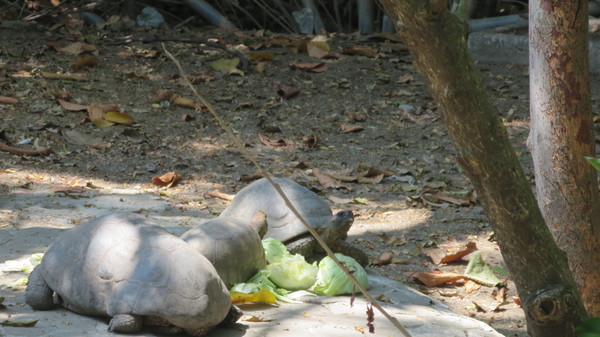
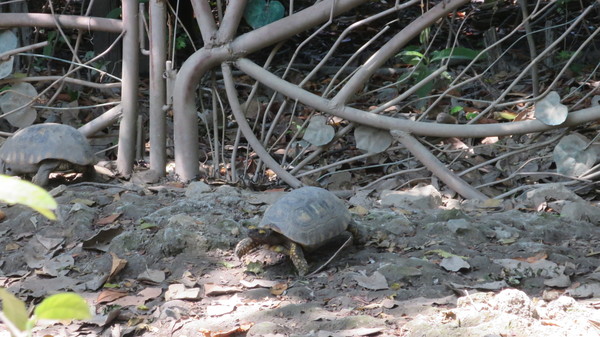
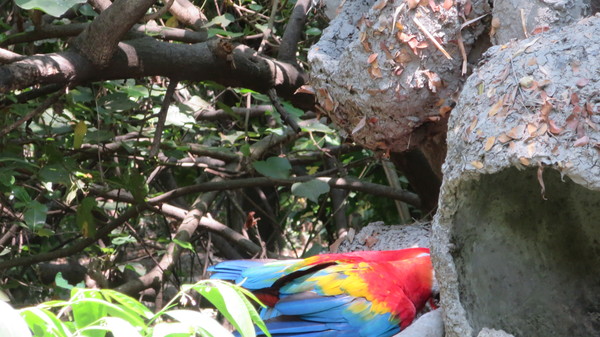
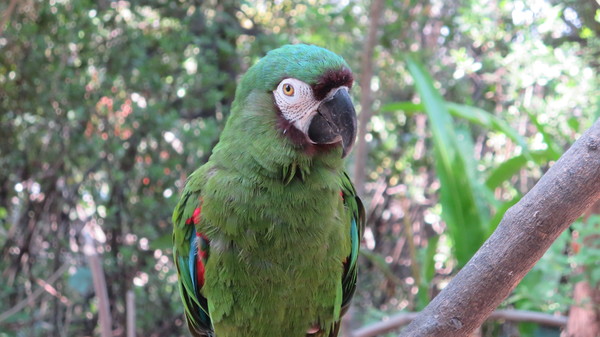
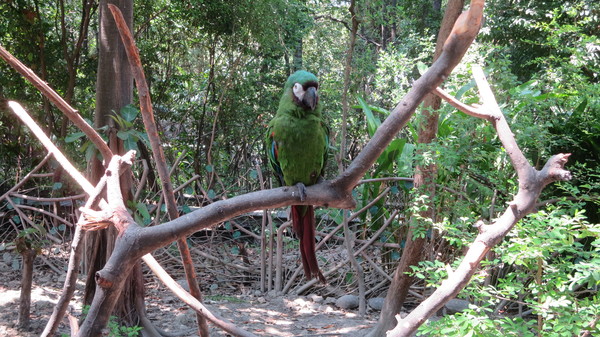
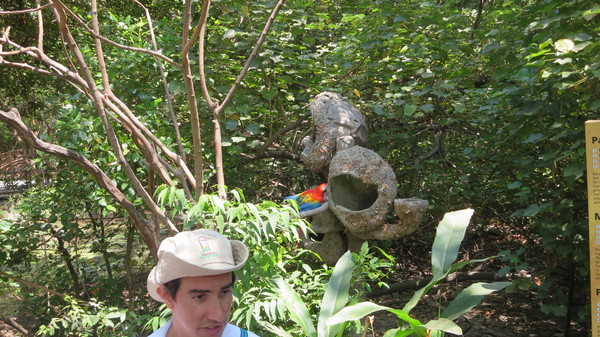
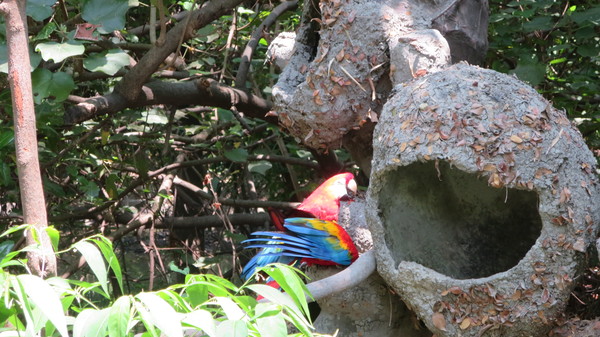
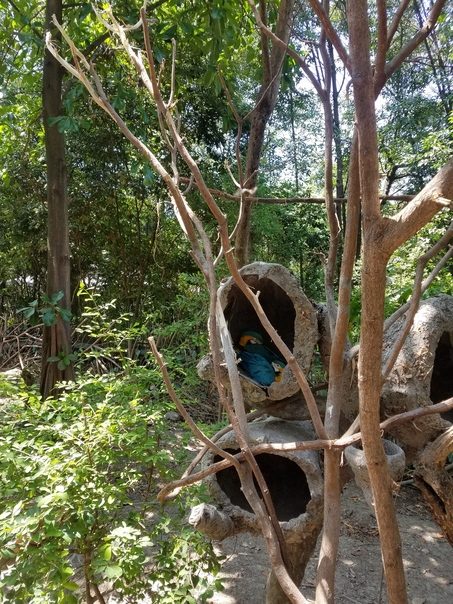
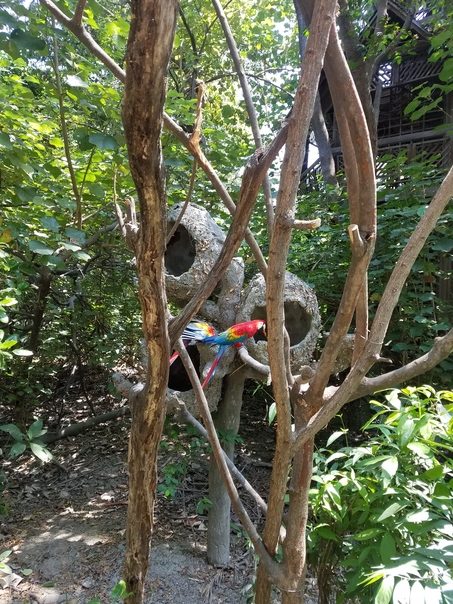
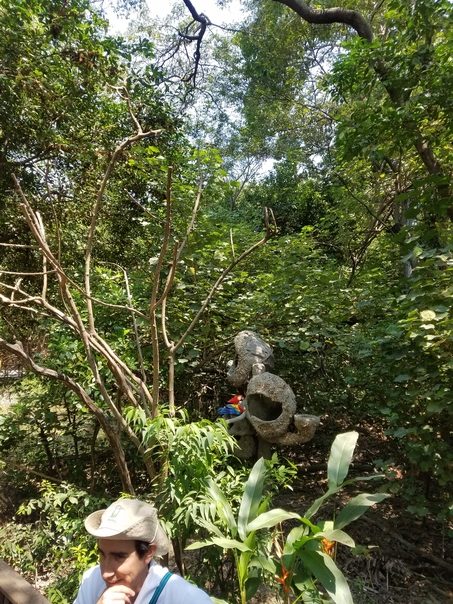
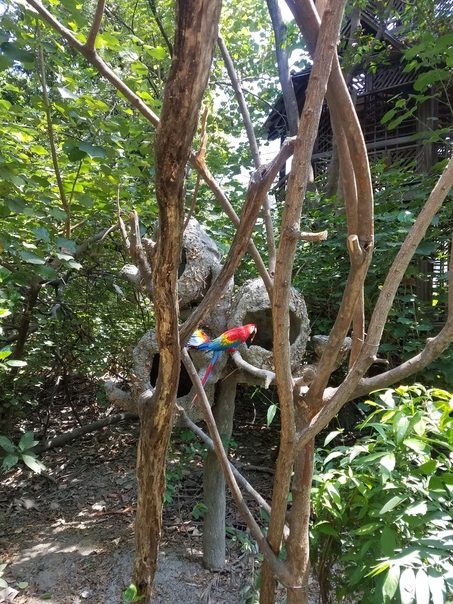
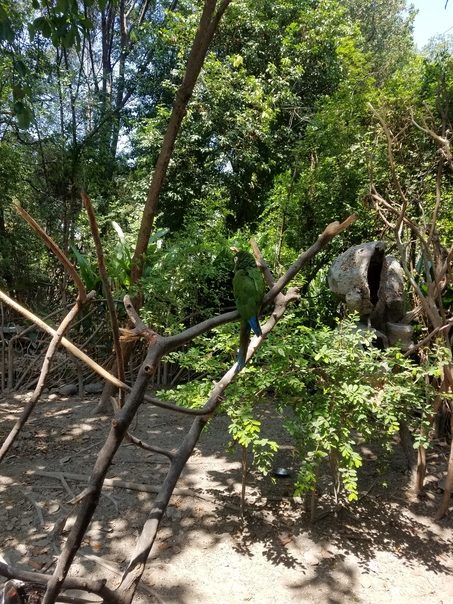
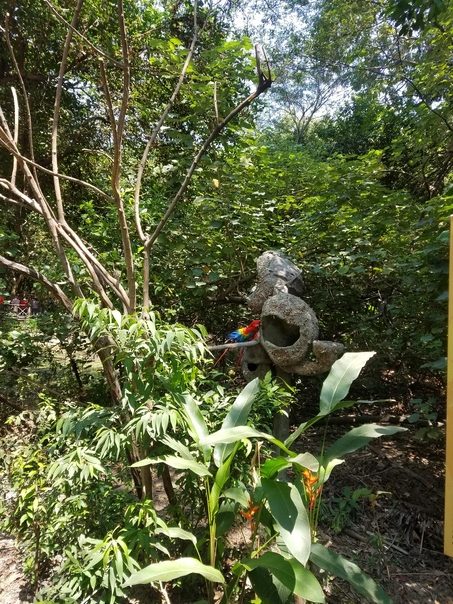
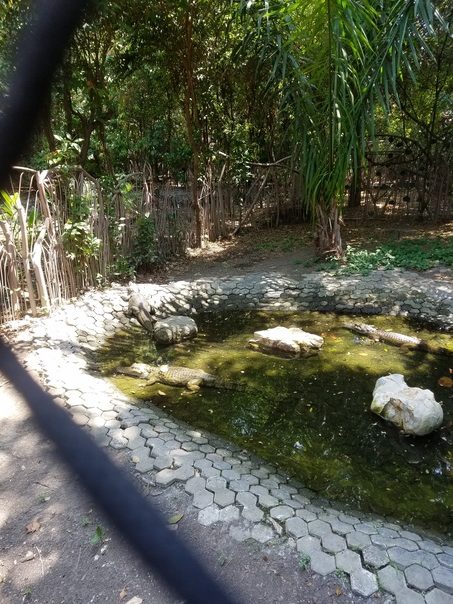
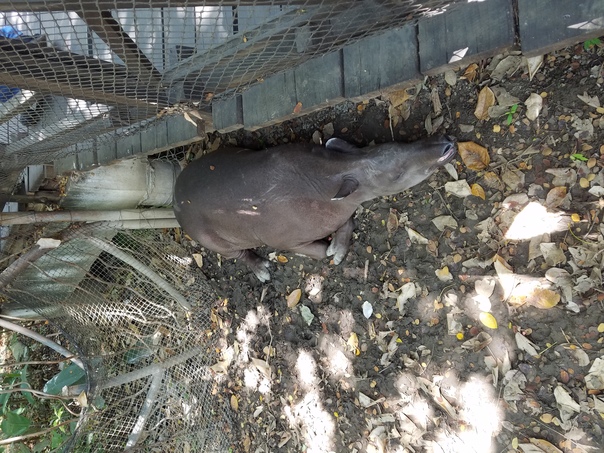
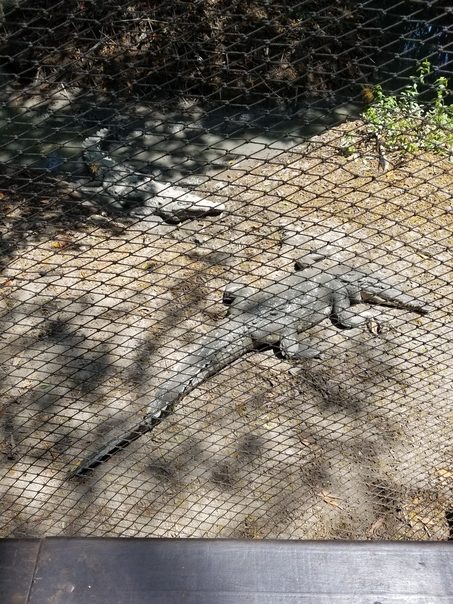
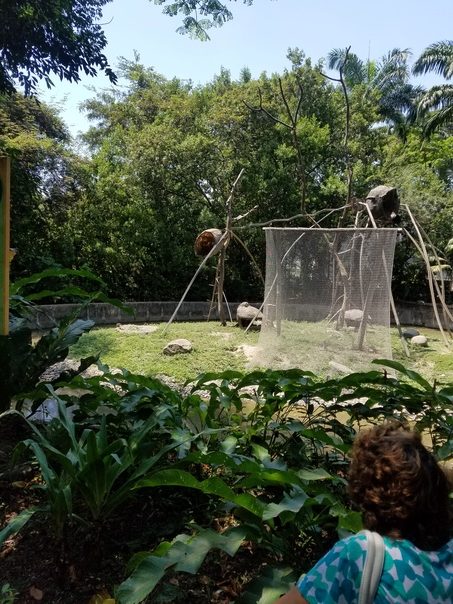
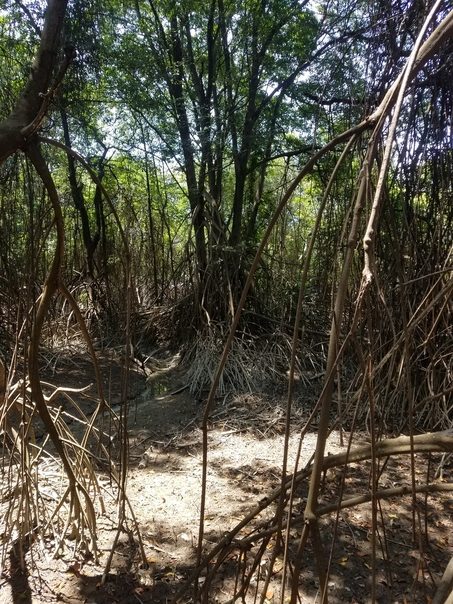
The “Parque Historico” in Guayaquil is a special kind of park. It’s partly a special purpose zoo exhibiting only animals indigenous to Ecuador. The birds there are not in cages; their wings are clipped and they are otherwise well cared-for. The other part of the zoo consists of historic buildings from Old Guayaquil that were disassembled, brought to this new location and reassembled there.
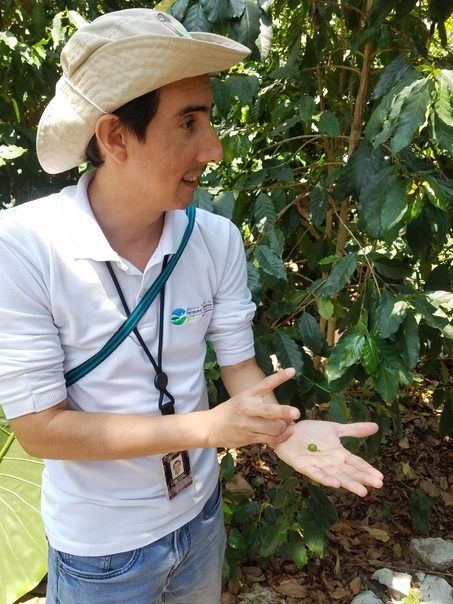
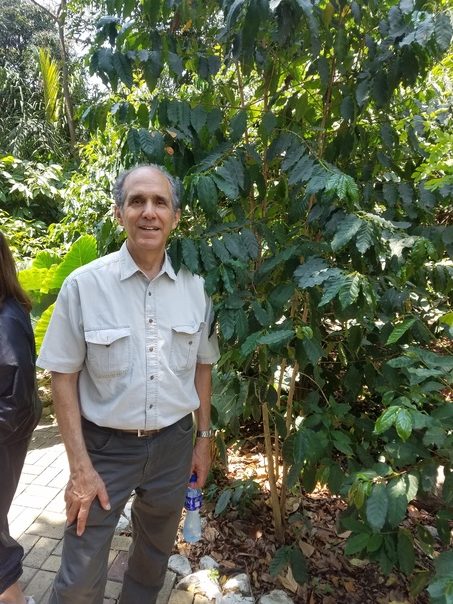
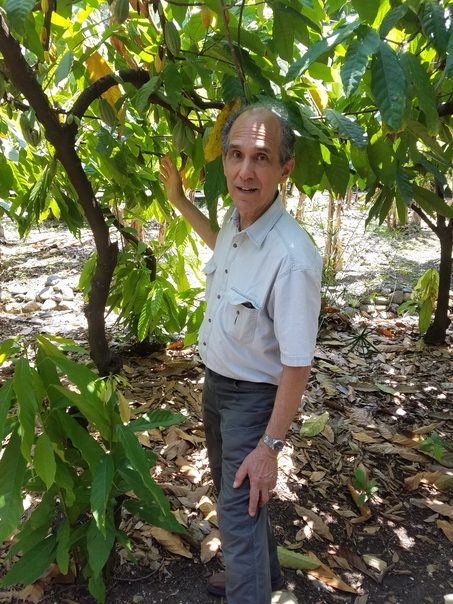
Chocolate begins on a Cacao tree
There are Cacao trees growing in the Parque Historico and our guide explained it to us standing right next to a Cacao tree with live pods on it. He even broke off one of the Cacao pods and opened it up for us so we could see the fresh contents inside.
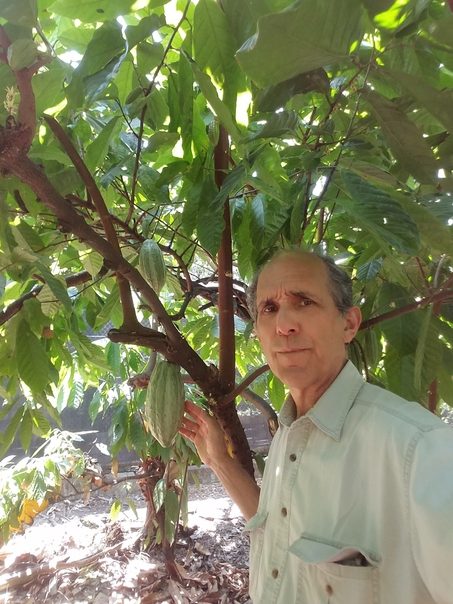
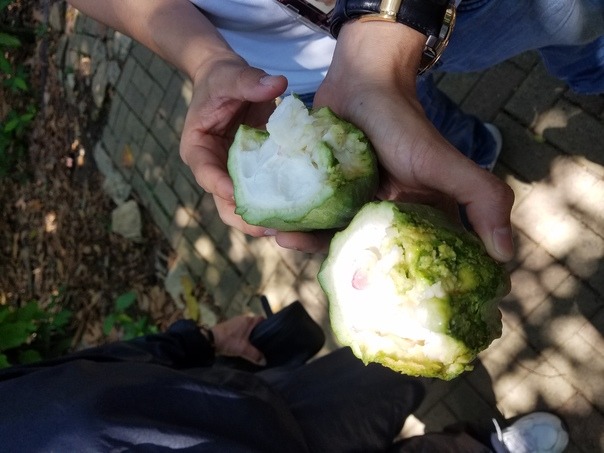
Here’s a youtube video where you can watch the process: Pod to Chocolate Bar
…are you wondering what it tastes like right off the tree? Here’s another video about the taste of the fresh Cacao Pod.
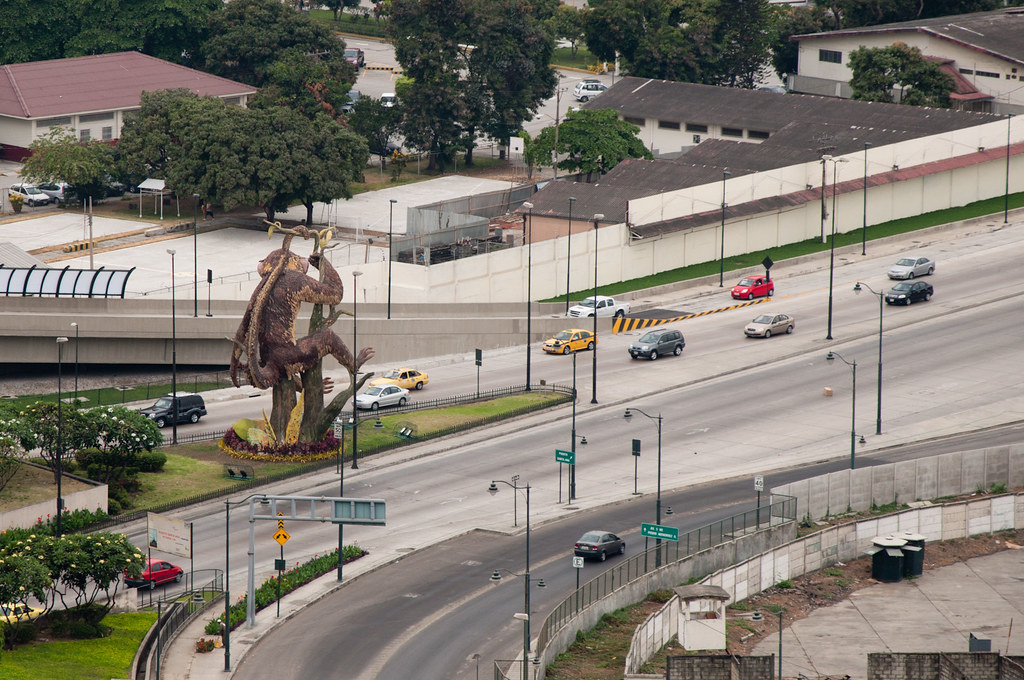
This huge statue of the “Guayaquil Monkey” is located in the middle of a highway.
Like a normal Zoo, the Parque Historico Zoo has monkeys because there are wild monkeys in Ecuador. There is also a huge statue of a monkey in the middle of a highway in Guayaquil and while we were walking through the Zoo, our tour guide informed us that there is an interesting story behind this huge monkey statue. It turns out that many of the highland Ecuadorians (ie: Ecuadorians who live in Quito and other mountain cities) tease the Guayaquil Ecuadorians by calling them “monos” which translates to “Monkeys”. We were assured emphatically both by our relatives and by the tour guide that this is not taken as an insult – apparently it is taken in a humourous way. The statue is huge …as can be seen from the photo at the right.
Side trip: The Zig-Zag Railroad at the “Devil’s Nose”
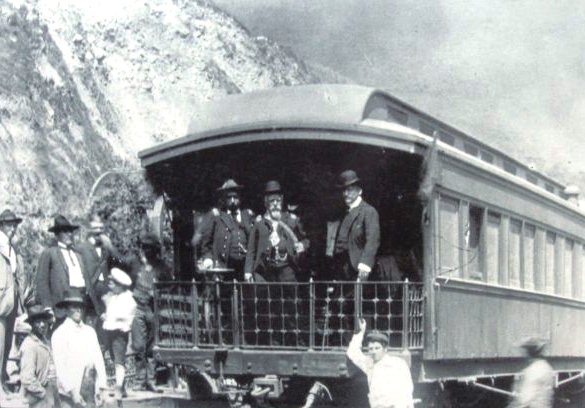
Eloy Alfaro – Railroad Dedication – 1908
To understand the history and culture of Ecuador it is necessary to understand the historical difficulty of the journey between Quito high up in the Andes Mountains and Guayaquil down by the Coast. Today we can take a flight between these two cities but in the 19th century the journey was incredibly difficult. Around the turn of the century, President Eloy Alfaro was able – at great cost not only in money but in human lives – to accomplish the task of joining these two cities by a Railroad. It was especially difficult because of a geographical feature that came to be known as the “Devil’s Nose”. It’s a steep peak that juts high into the sky. The railroad needed to get up this cliff and the only way to do it was to have the train go through “switchbacks” similar to what we’d do when hiking a mountain trail up a steep mountain.
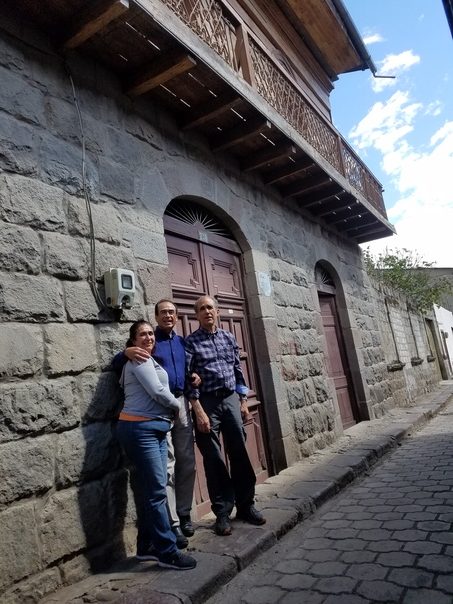
Standing with Antonio and Monica Catani in front of the house that their grandfather built – and where Eloy Alfaro spent the night on that fateful train ride.
Today it’s possible to get on the train at a small town high in the Andes Mountains called “Alausi” (pronounced: “Ah-loo-see” with the accent on the last syllable) and take a train ride up the zig-zag train tracks of “The Devils Nose”. A bus is available to take the four hour journey from Guayaquil high, high up into the Andes mountains to Alausi. Fortunately for me, a friend of the family lives in that little town. It turns out that his grandfather came to Ecuador from Italy in the time of Eloy Alfaro to build retaining walls needed for the railroad construction and so his grandson is still living there today. His name is Antonio Catani. His grandfather’s house is still there in Alausi …it is not occupied now; perhaps it will become a museum. To the right I have a photo standing with him and his sister Monica who also happened to be visiting Alausi that day. This house is very significant historically because in 1912 when Eloy Alfaro was being transported as a prisoner from Guayaquil to a harrowing fate in Quito on the very railroad that his leadership had marshaled into existence, the train had to stop and he spent the night in this house. Initially the soldiers had placed him into a jail cell for the night but Antonio and Monica’s grandfather talked them into allowing him to spend the night at his own house. Later he would recount that he had offered ex-president Alfaro assistance to escape that night but that Eloy turned down the offer. Days later after his arrival and imprisonment in Garcia Moreno’s “Panopticon” prison, his cell would be left unguarded so that an angry mob could break in and murder him and they would drag his body two miles through the city streets and burn it in a public park.
So here we go up the mountain on the four hour bus ride to Alausi:
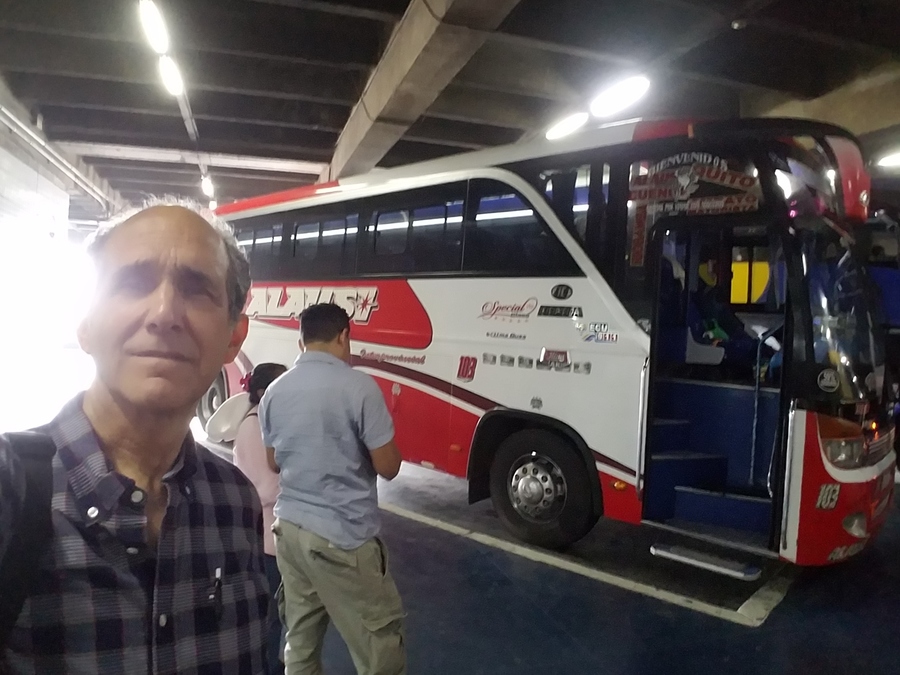
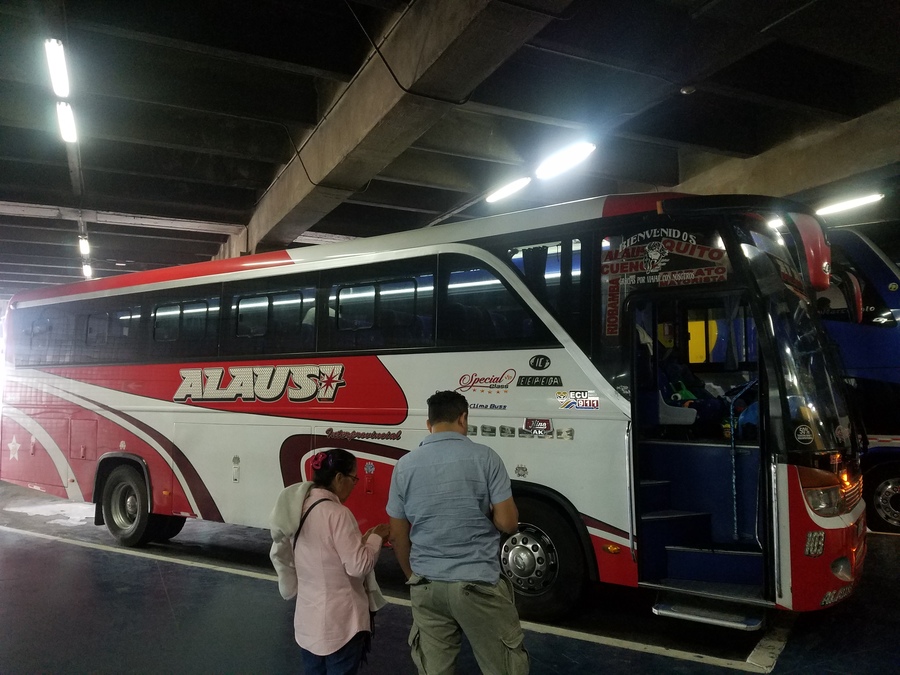
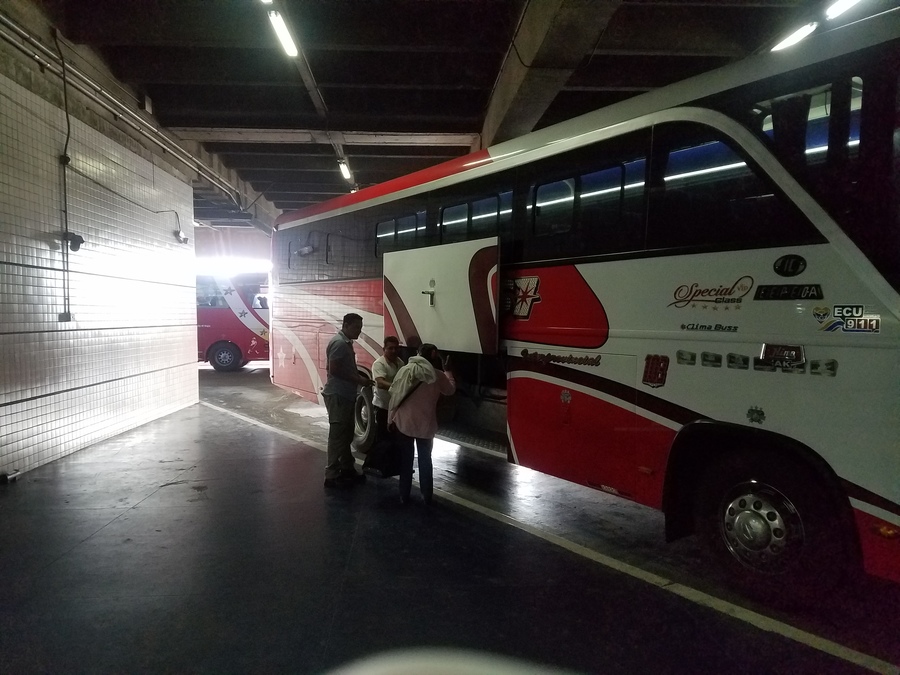
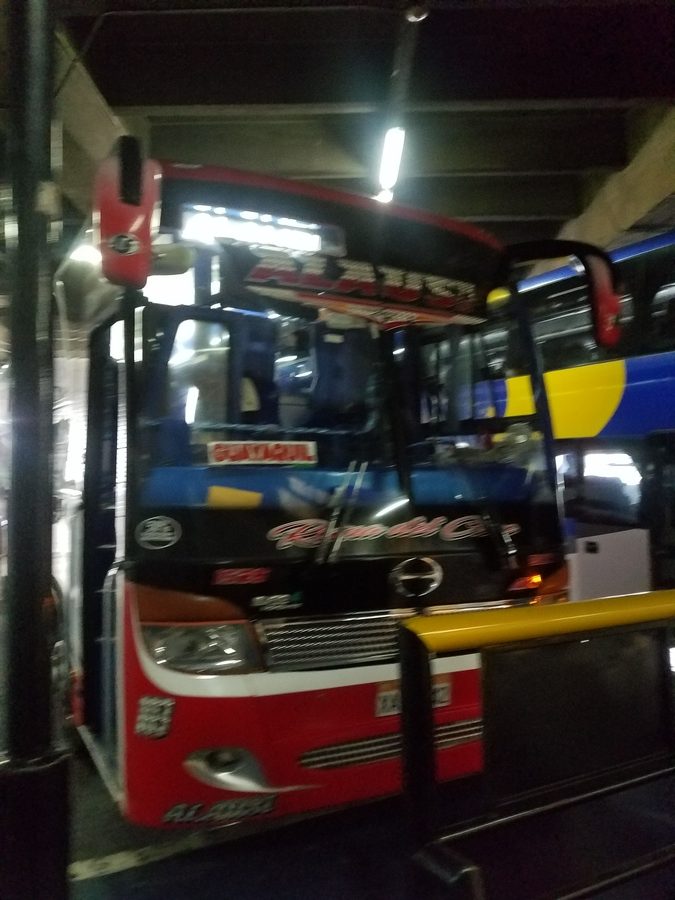
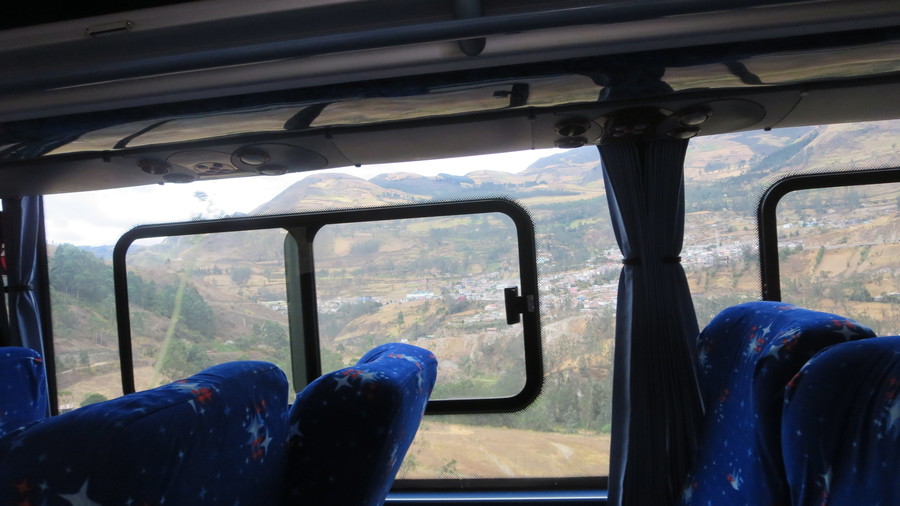
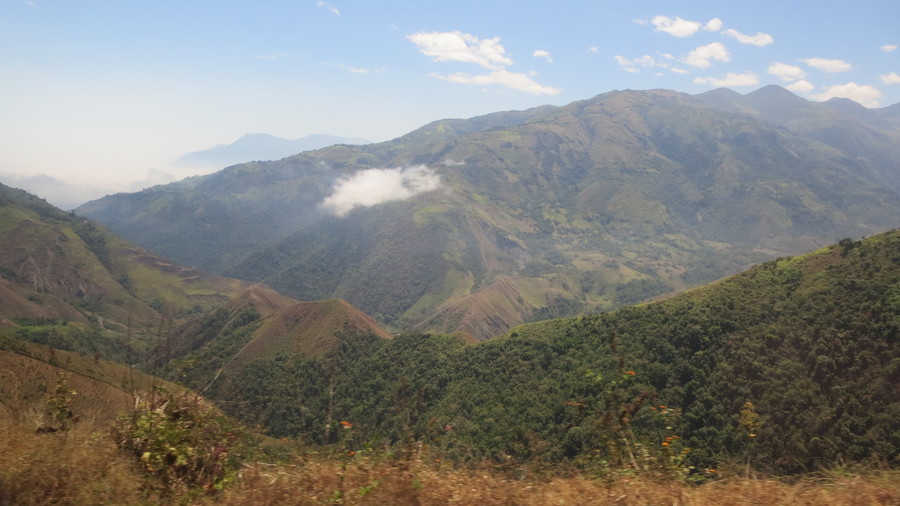
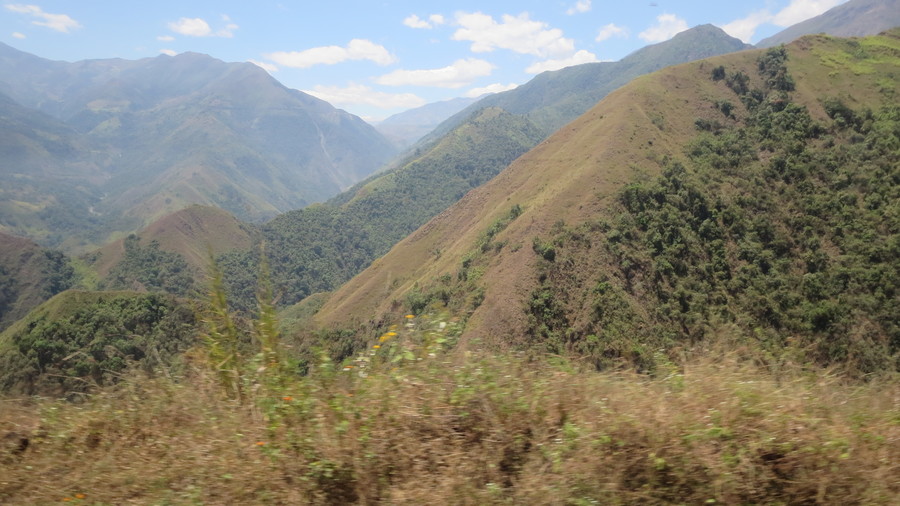
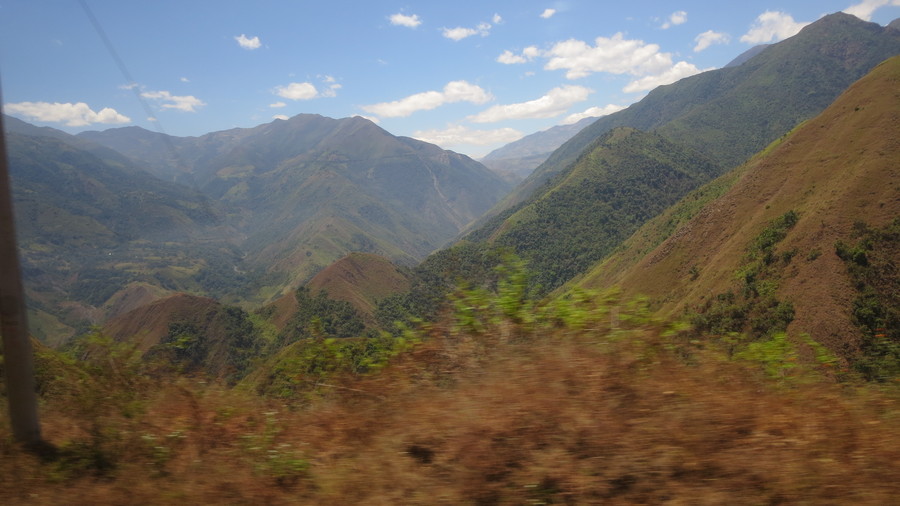
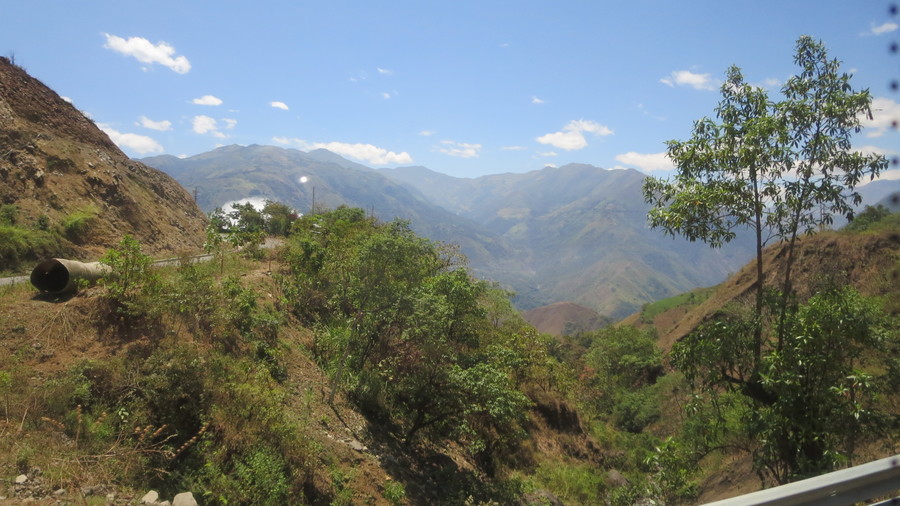
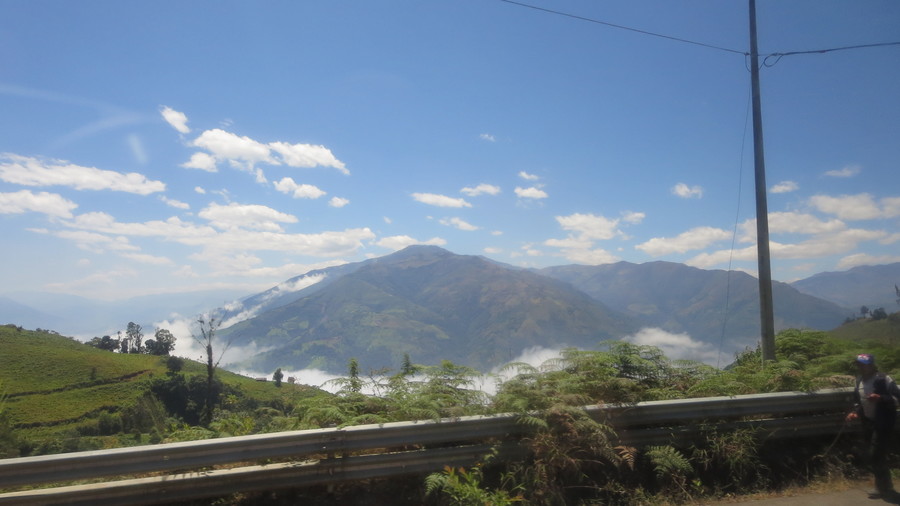
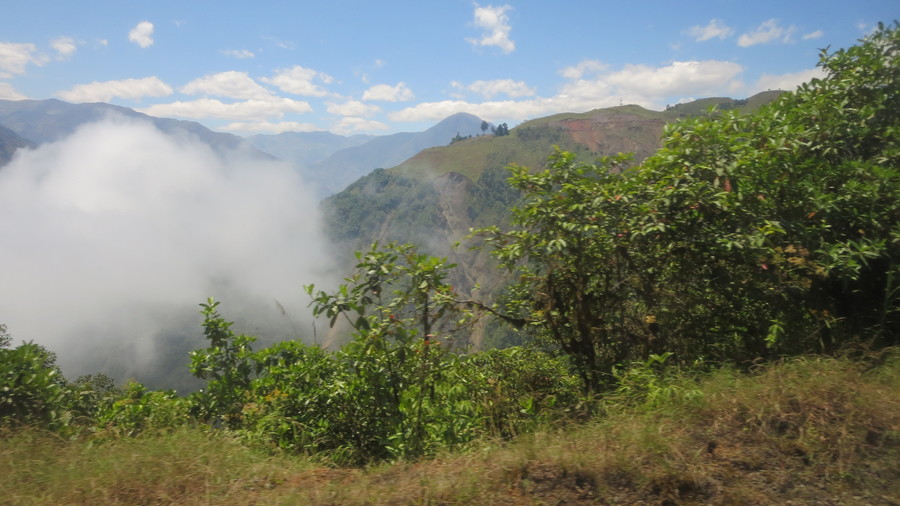
Sometimes when looking out the windows of the Bus you’ll see miles and miles of Banana Plantations:
Some photos of the town and the train ride:
GALLERY
Come with me and look out the window of the train and over the cliff as it zig-zags up the Devil’s Nose:
The “Run of the Bulls”
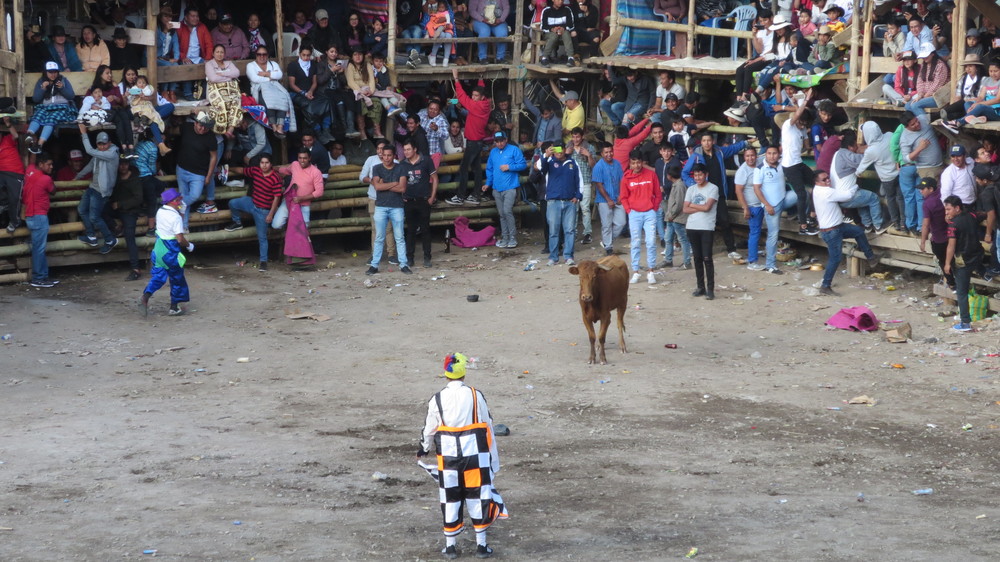
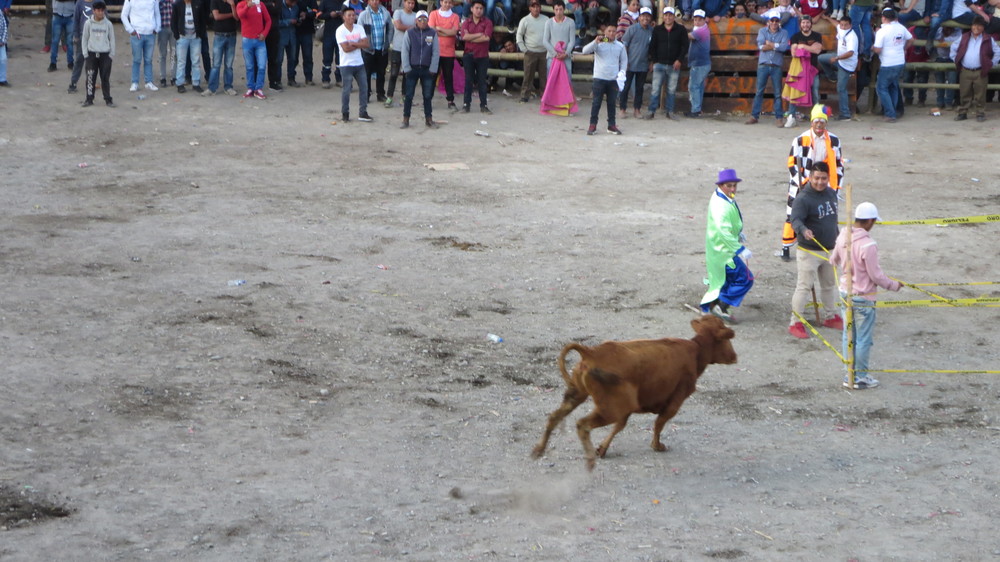
Just a few minutes away from Alausi is the town of Guasuntos. A “patron saint” is associated with these little towns in Ecuador. When that patron saints day comes around each year there is a big celebration that everyone looks forward to. The big event in this town is a “Run of the Bulls” (“Corrida de Toros”).
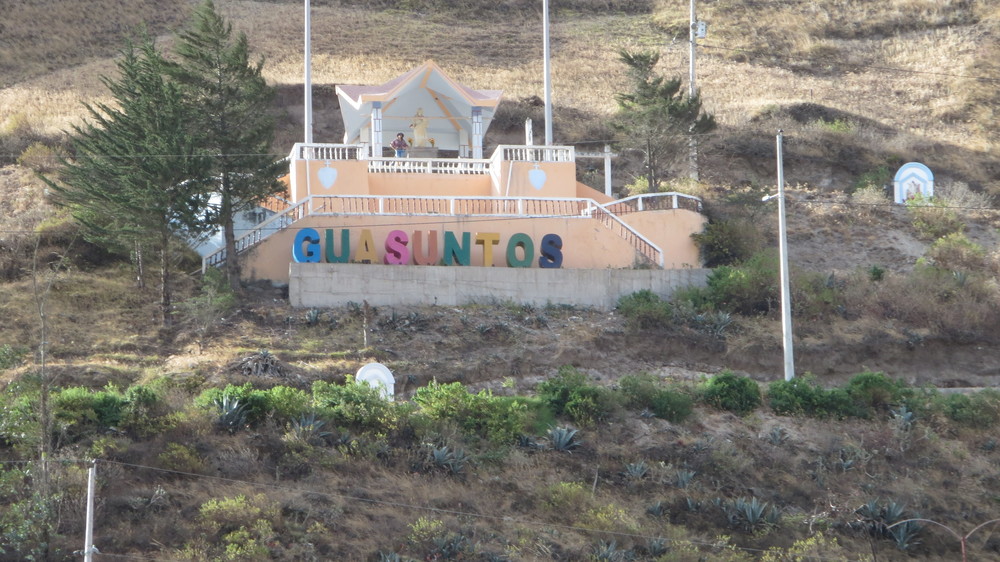
Sign on a hill above the Town of Guasuntos
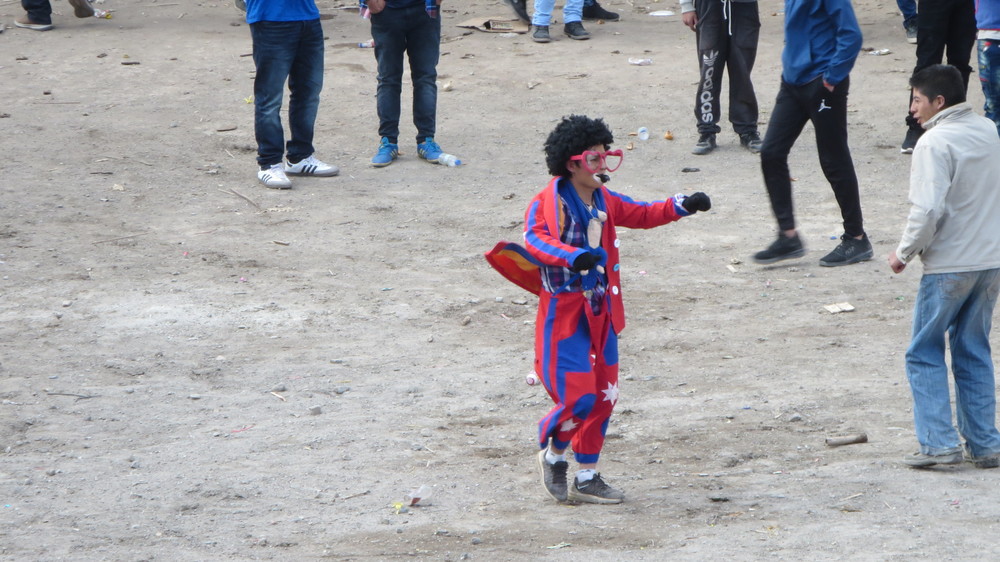
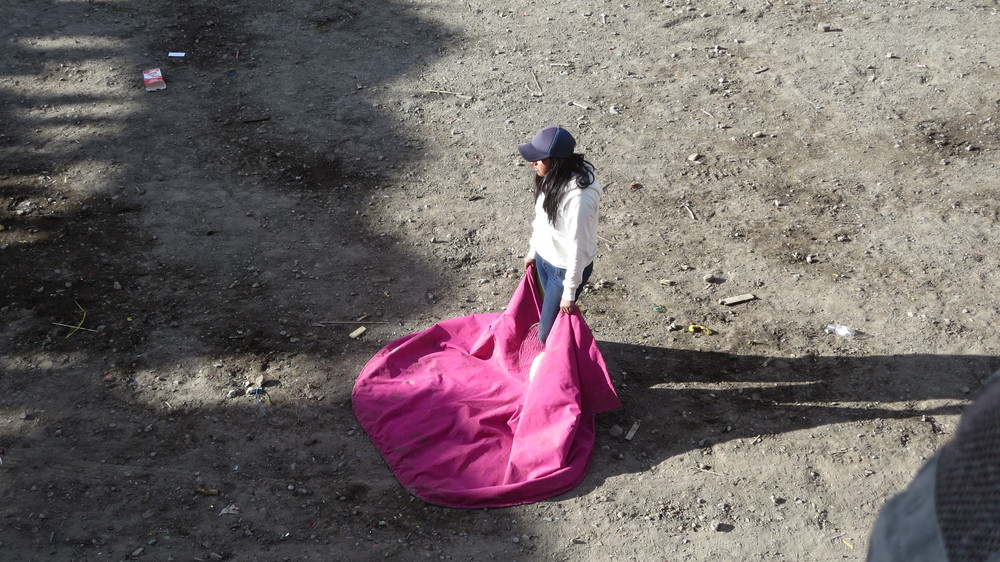
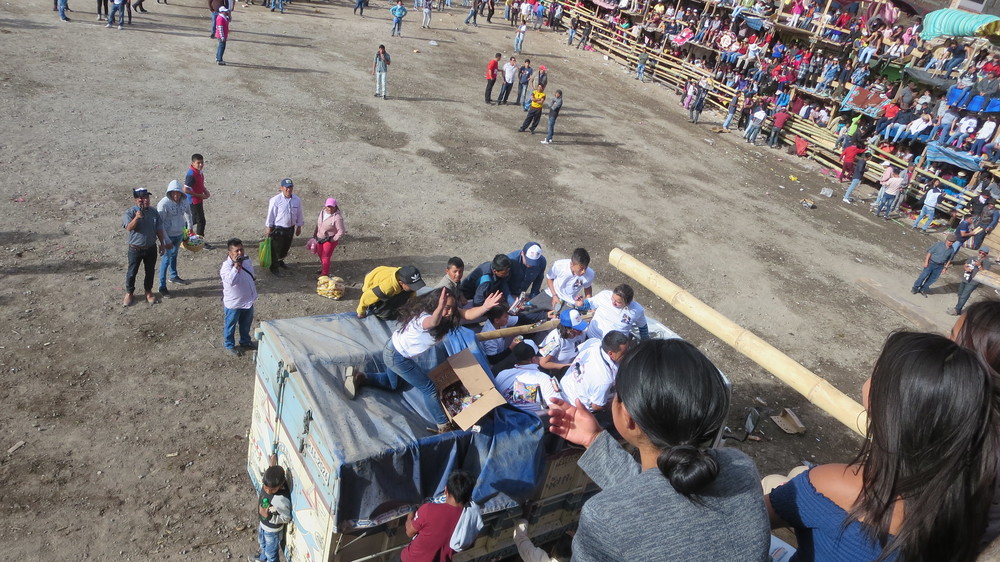
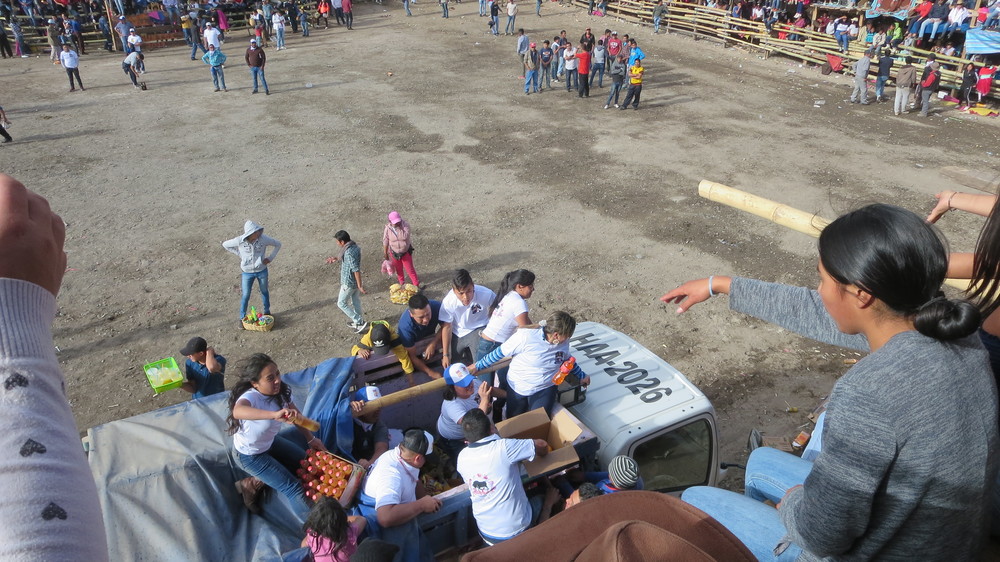
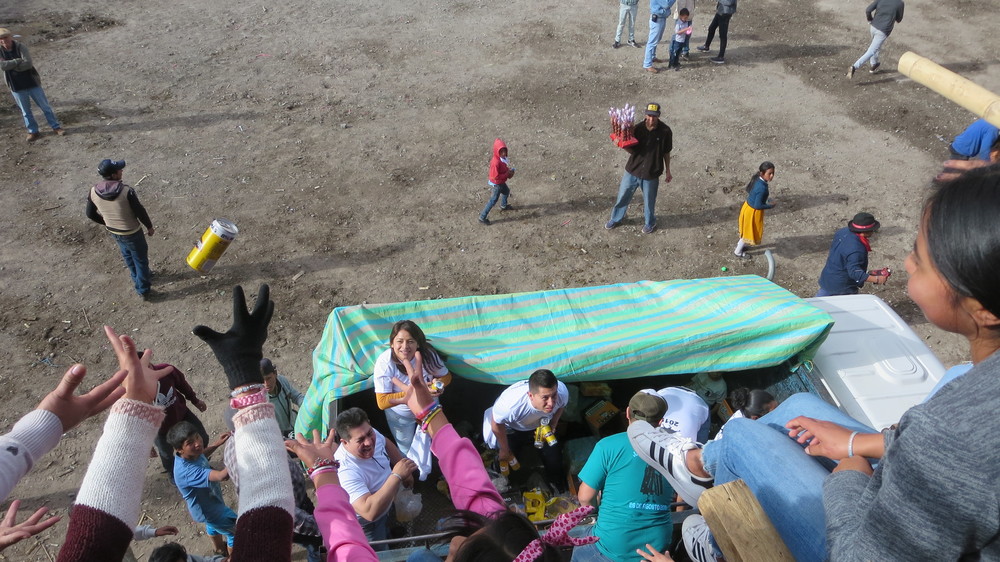
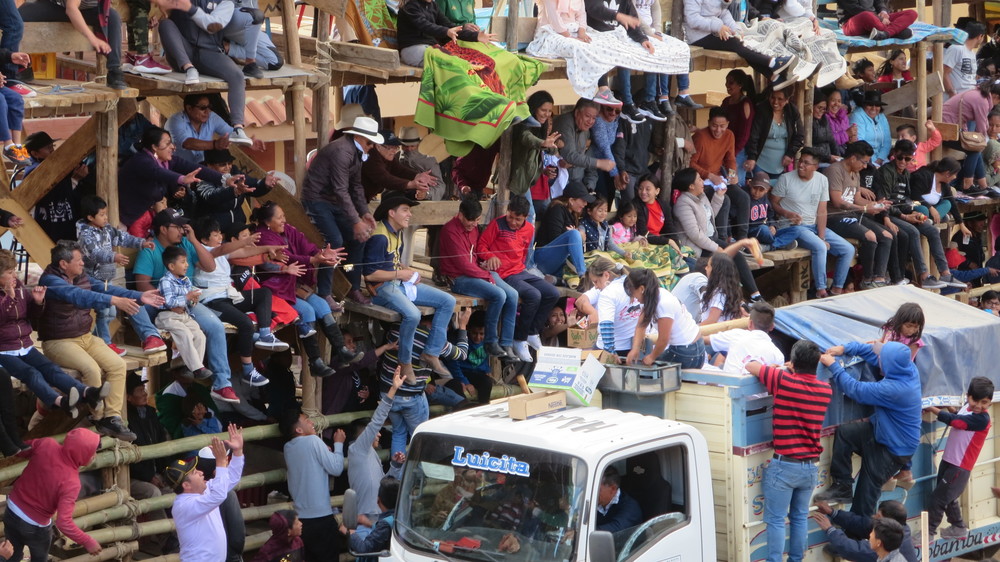
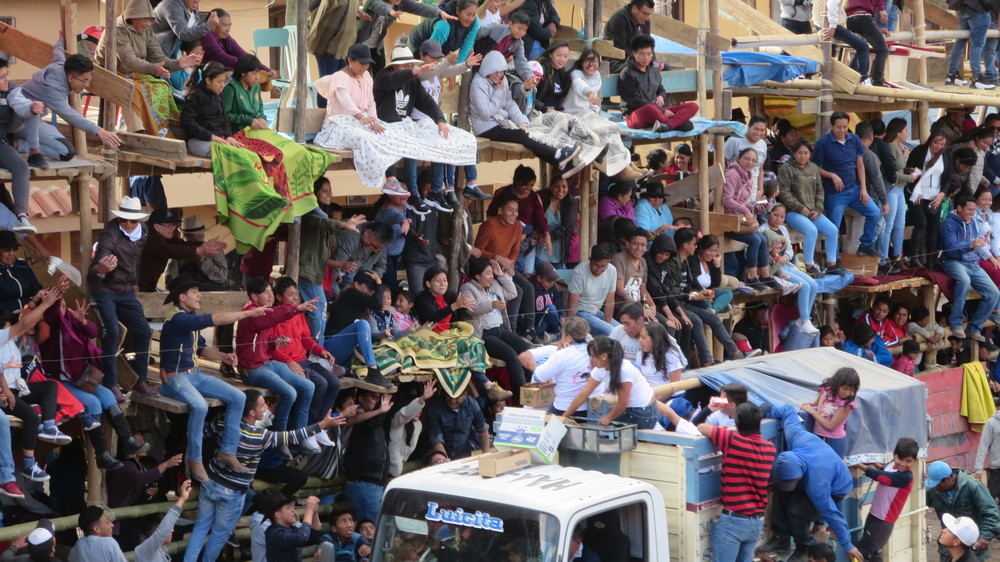
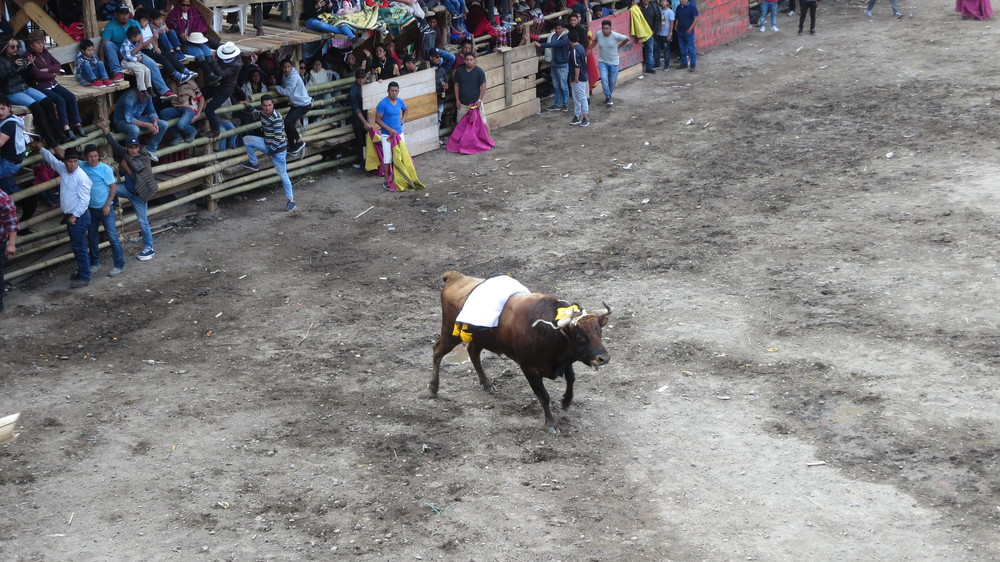
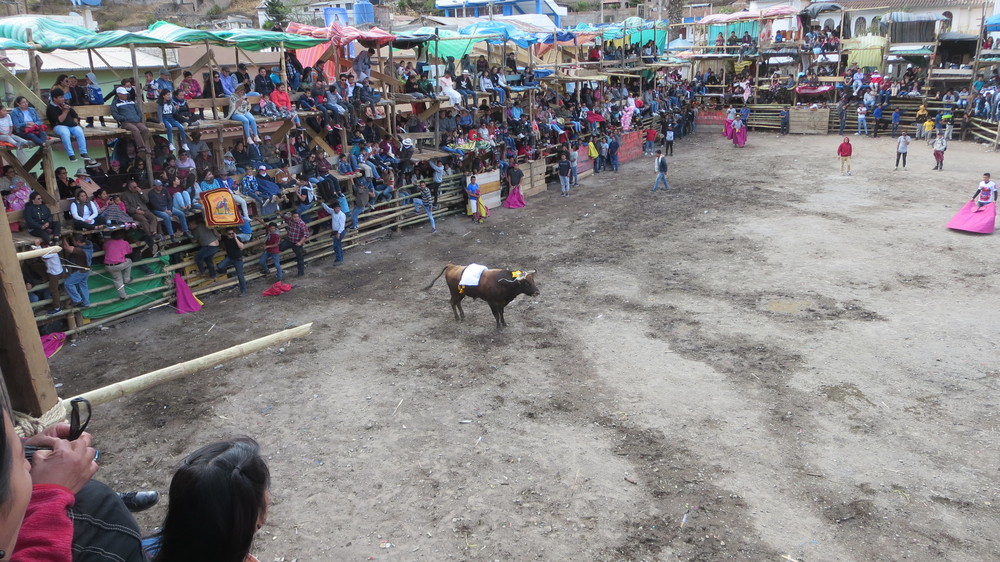
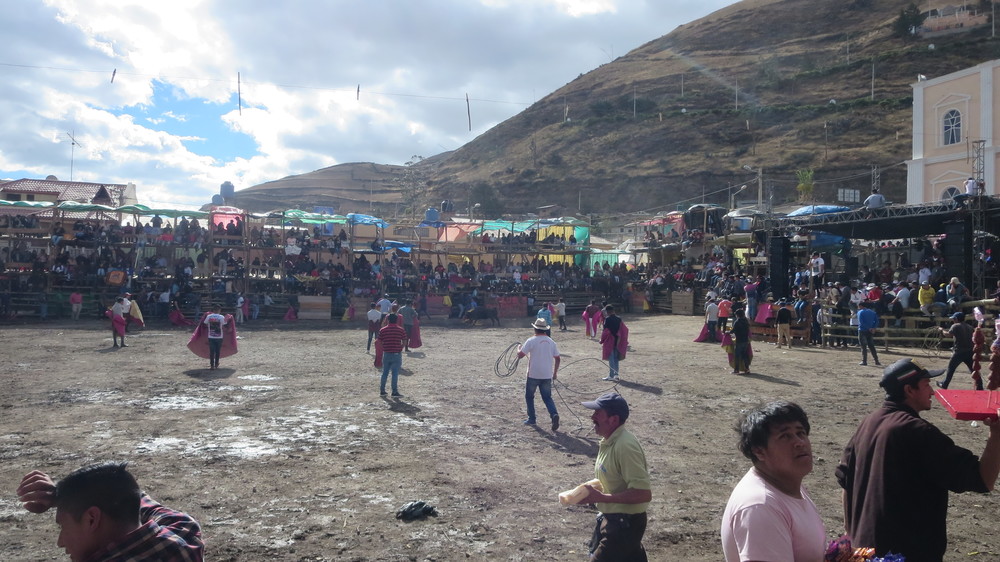
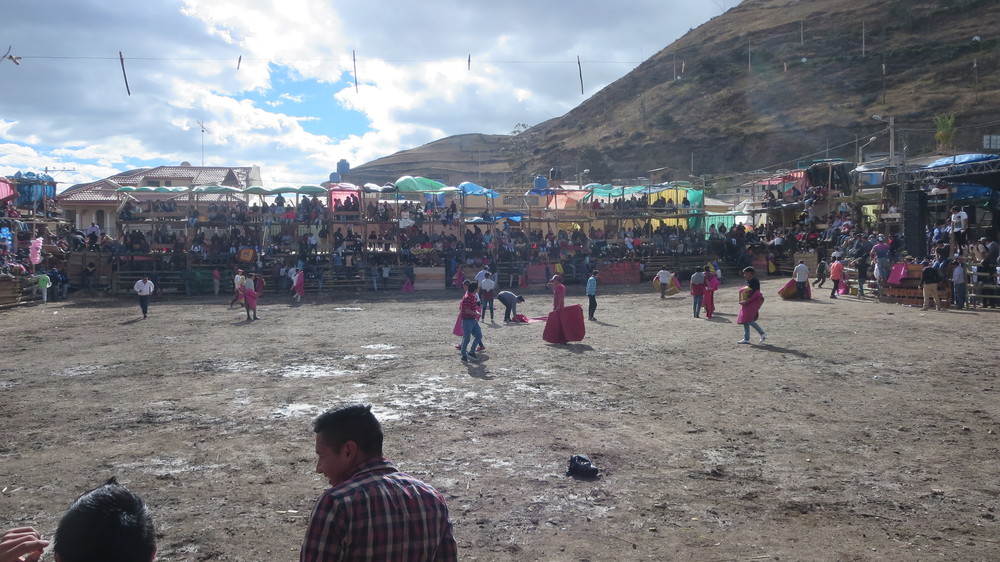
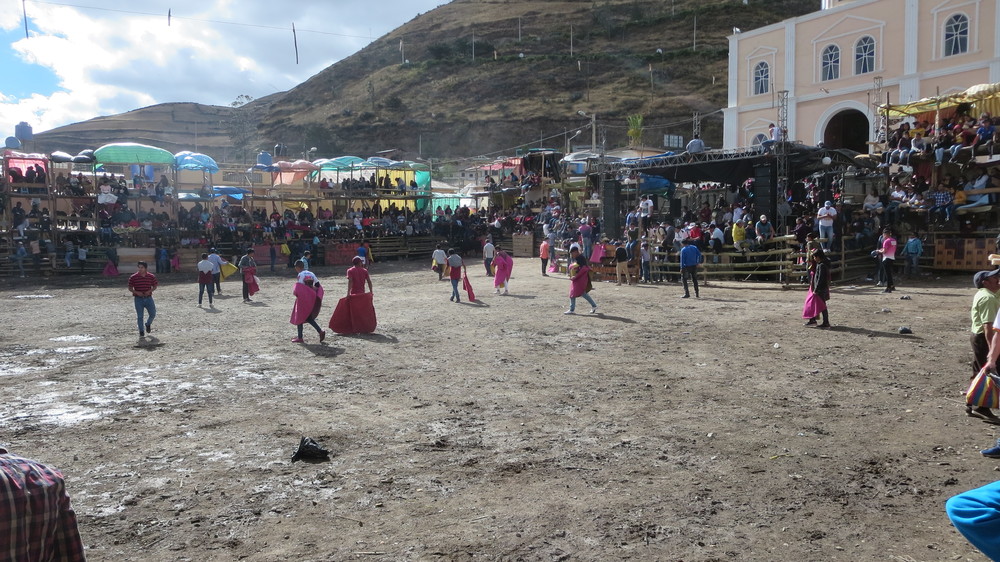
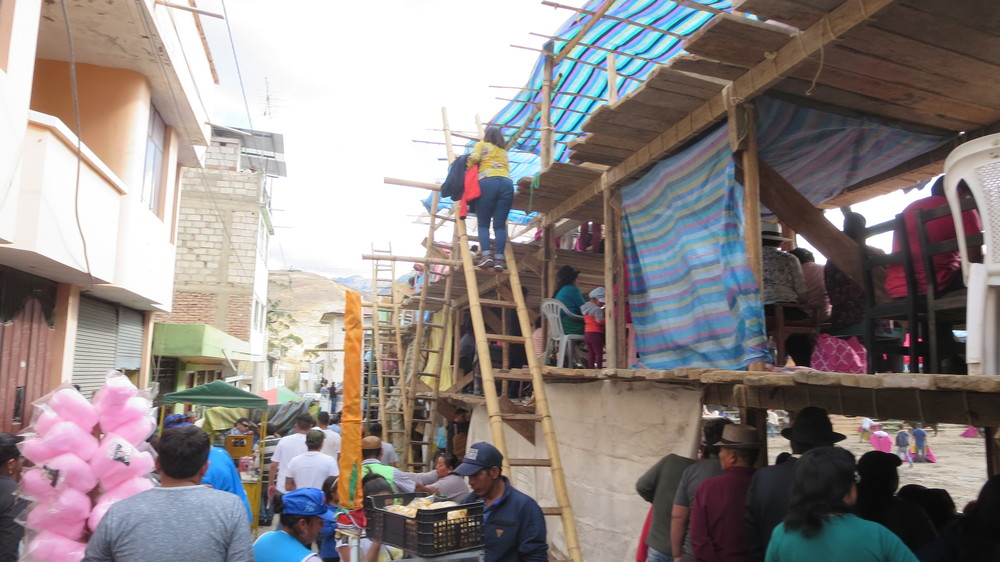
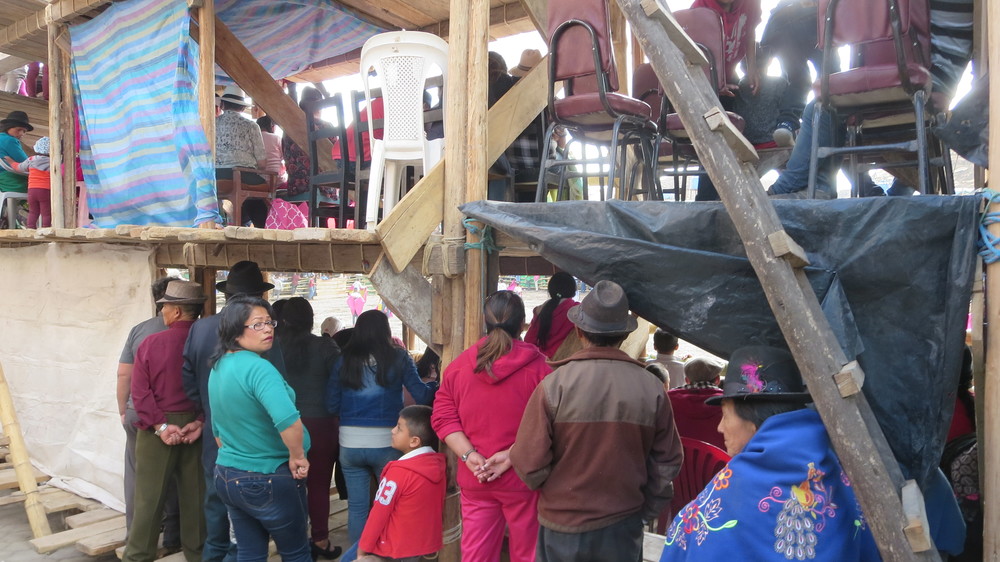
My gracious hosts Antonio Catani and his sister Monica were going – so they took me along. The whole town shows up for the event. Temporary structures are erected so that everyone can watch. Real bullfighting used to take place in Ecuador – where the Bull is taunted mercilessly and finally killed – but that was outlawed just a few years ago. What they do now seems to be still a bit dangerous for the humans but they all seem to know what they’re doing. The bull (sometimes a cow with horns, actually) charges at the red cape and the person holding it gets out of the way …often they look like they are running for their lives. It’s something like watching someone play with their puppy dog. Except in this case it’s a bit dangerous.
Look closely …in this first video it’s young ladies doing the bullfighting (actually it’s a female so I suppose you’d call it a “hefer” – not a bull):
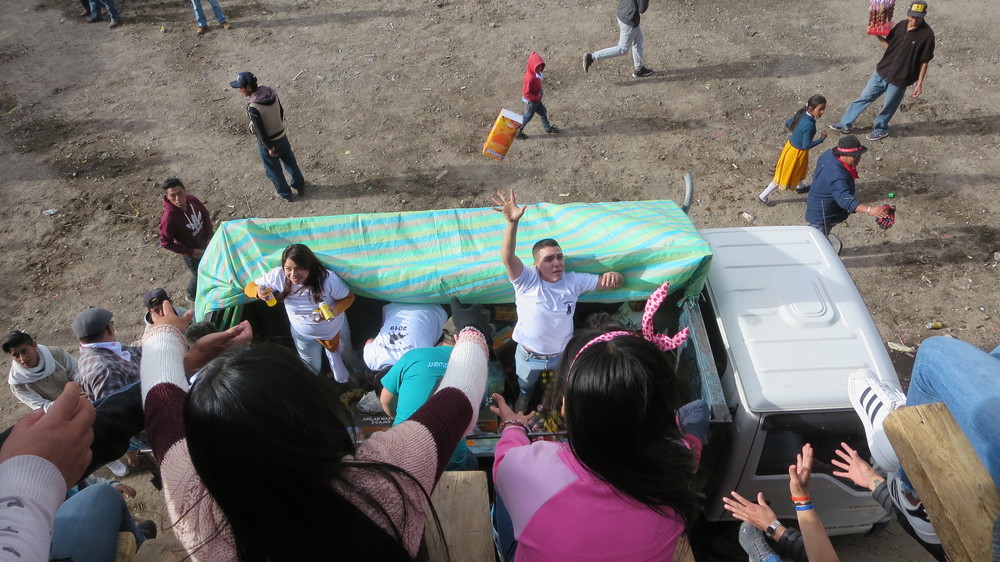
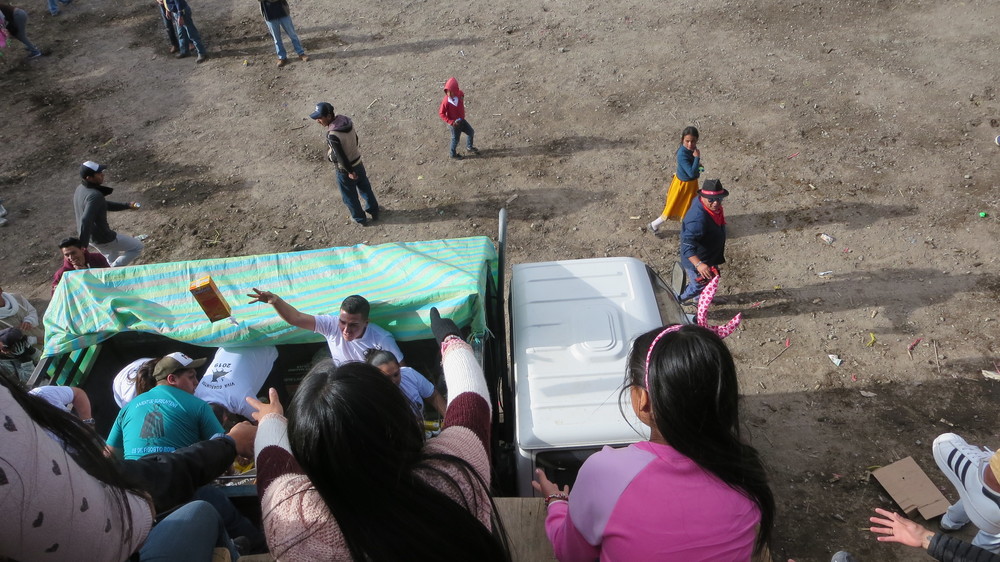
Below are some still photos of the event and the temporary structures (functionally similar to what we would call “bleechers”). During intermission, some trucks go around the arena and throw “free stuff” up into the crowds who eagerly reach out to grab whatever they can:
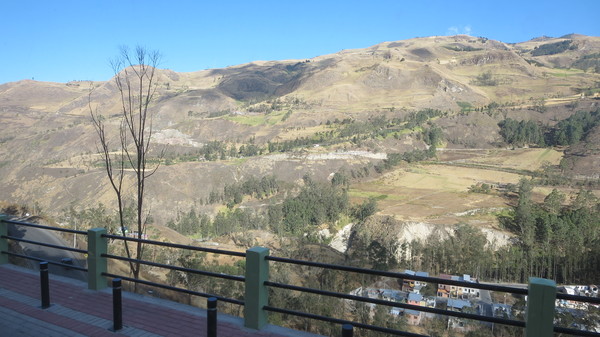
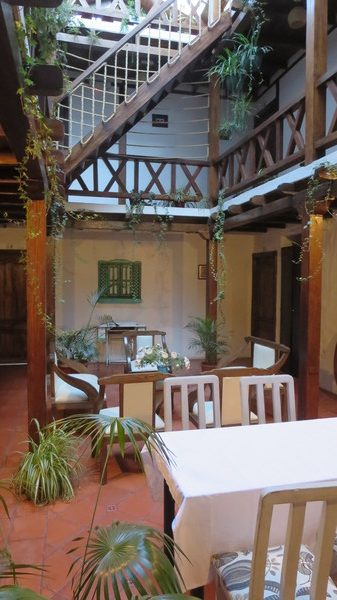
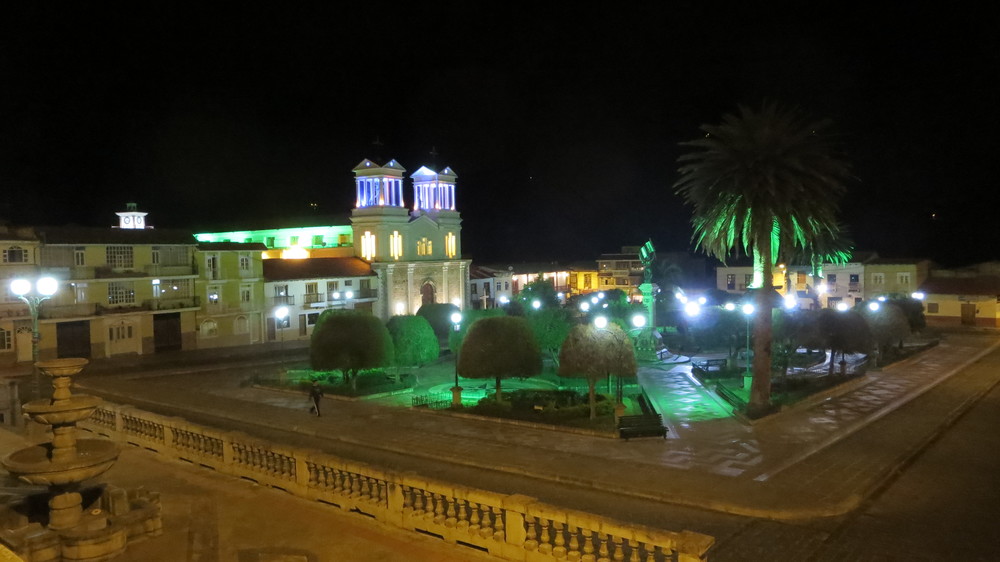
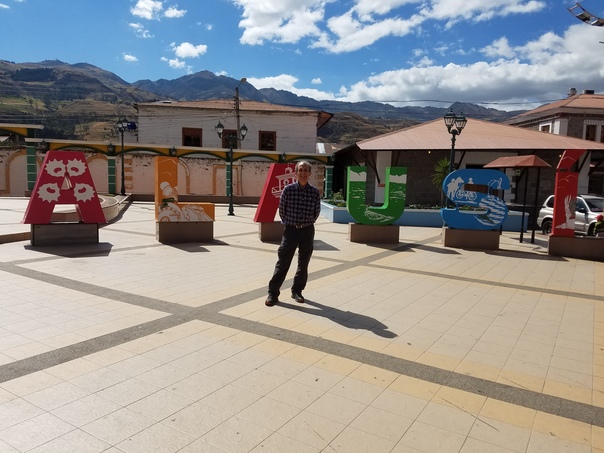
Some still photos of the Town of Alausi and the sign over Guasuntos:
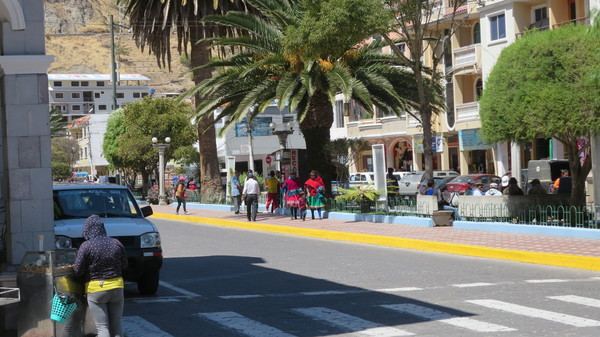
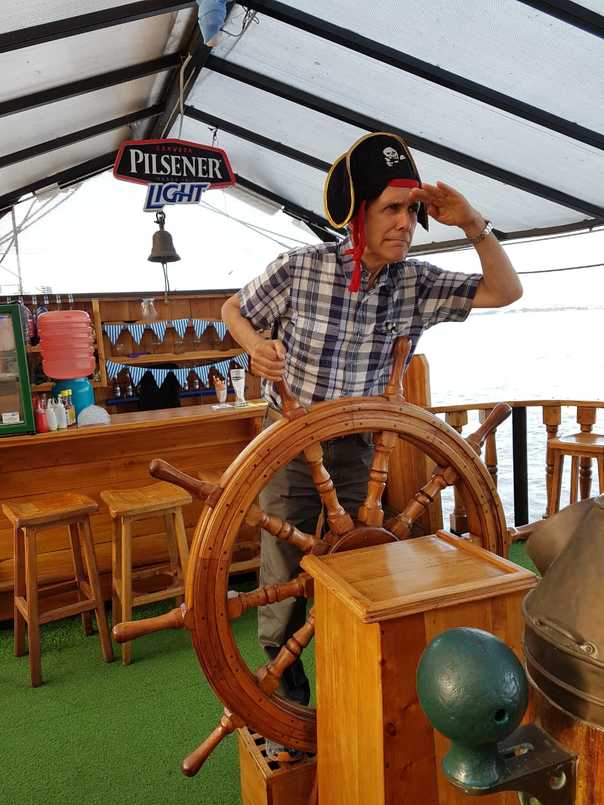
Finally, back down in Guayaquil, there is the Guayas River and we couldn’t leave Guayaquil this time without going out on the River. There’s a big boat called the “Morgan Pirate Ship” (Named after a pirate who sailed the seas centuries ago …pirates invaded and rampaged Guayaquil on a number of occasions). With us on this short trip up the river were our cousins – our gracious hosts – Miguelito and Anita Martinez Davalos. Some photos of the ride:
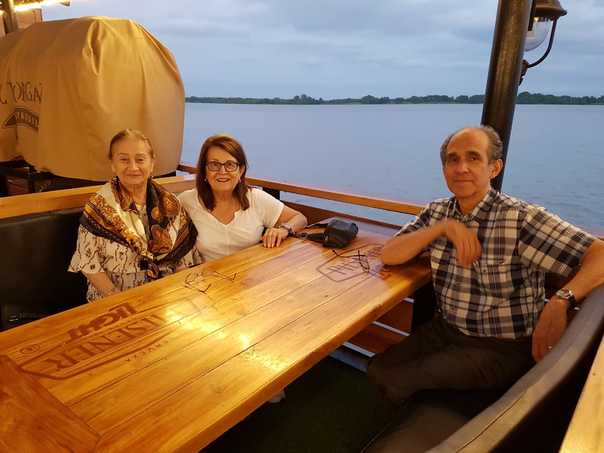
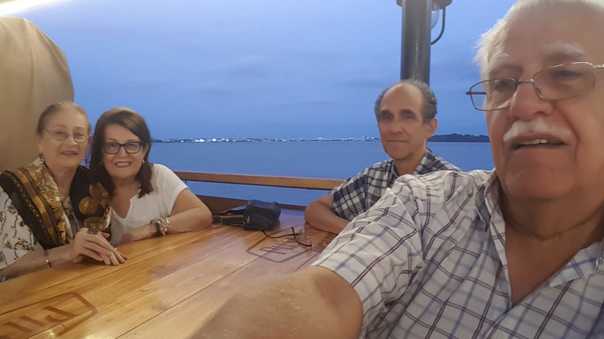
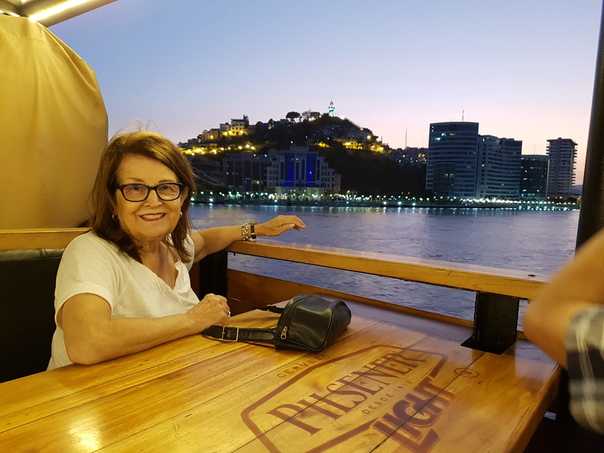
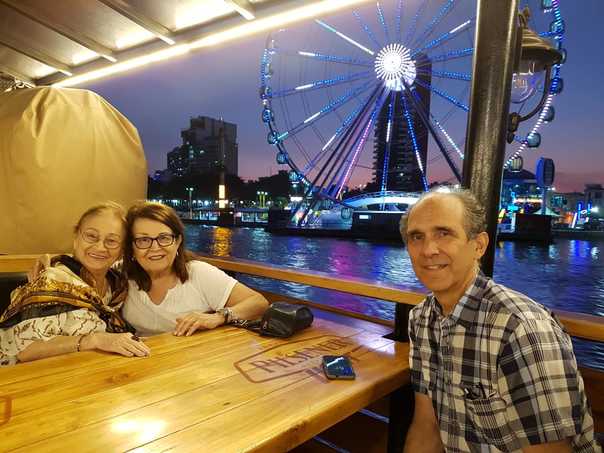
We left the country through the Quito airport and stayed in this very nice hotel on our last night:
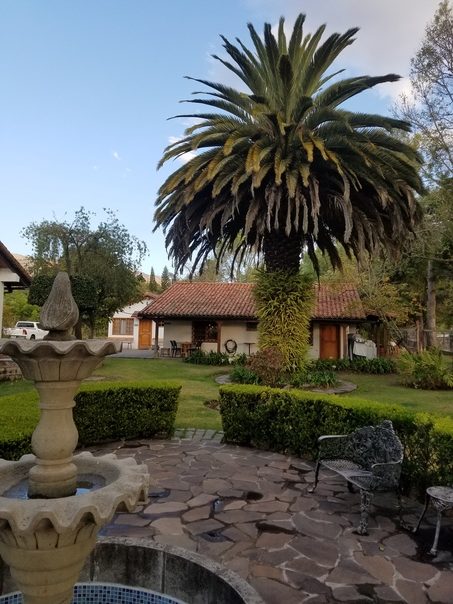
Hotel where we stayed the night before leaving the country.
It was a marvelous trip – it won’t be the last – an opportunity of a lifetime to connect with our culture and with such warm relatives who mean so much to us !