Revised: 7/31/25
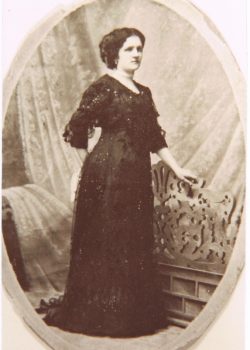 Maria Teresa Del Pozo De Martinez
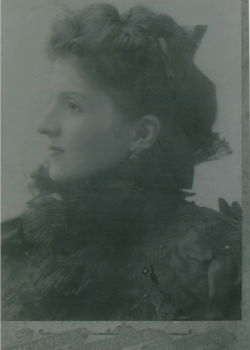
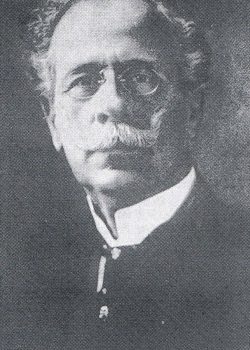
Maria Teresa was born in 18741. In November of 1896 she married Dr. Francisco Xavier Martinez Aguirre. She was the daughter of Pastor Del Pozo Marin and Ines Santos; her new husband had been the family doctor. The Groom was 46 years of age and the Bride was 22 years of age. Dr. Martinez’ marriage to his first wife Rafaela Serrano y Ruiz had taken place in October of 1873 and now he was marrying a second wife who had been born only two months after his first wedding day in December of 1873. This means that she was probably only a year or two older than Dr. Martinez’ oldest child.
All of their children were born in Ecuador but only five of them survived to adulthood. The ones who survived experienced great trauma in 1917, 1919, 1920 :
- 1917: Death of their father Francisco X Martinez Aguirre
- 1919: Journey for medical reasons to New York. Their mother, Maria Teresa, was ill.
- 1920: Death of their 46-year-old mother in New York leaving almost all of them underage orphans with no stable relatives nearby in a foreign land whose language they did not speak and whose culture they did not understand.
The table below shows the the ages of the children of this couple at the above-mentioned critical years.
| Name | Age: 1917 | Age: 1919 | Age: 1920 |
|---|---|---|---|
| Bonifacio “Boni” | 4 | 6 | 7 |
| Maria Ines | 7 | 9 | 10 |
| Jacinto (“Sookie”) | 8 | 10 | 11 |
| Maria Dolores (“Lola”) | 10 | 12 | 13 |
| Ramon | 18 | 20 | 21 |
| Albertino | Died as an infant | ||
| Maria Teresa | Died in childhood at 8yrs of age.2 | ||
| There were other children who did not survive and whose names are not known. | |||
The oldest brother Ramon married in 1925,3 five years after the death of Maria Teresa.
Events of 1912 and the aftermath:
It must be remembered that this woman (Maria Teresa) had lived through “The dragging of Eloy Alfaro”, and the associated civil unrest, in 1912 – an event which spelled imminent danger to her husband’s life from hostile extremist elements among that faction of Ecuador’s population that was supportive of Ecclesiastical control – resulting in his exile to Chile. He had only returned from this exile two years before his death so it would be logical to expect that all of these events would have been rather fresh in the mind of Francisco’s widow. The youngest son of this couple, Bonifacio, was born in Ecuador during the period when his father was in exile in Chile.
Click here to see a video describing Dr. Martinez’ departure on that occasion.
Decades later toward the evening of his life (1988-1996) this son Boni would write a series of letters to his oldest brother Ramon, sending copies to his sister Mary Agnes and son Steve. In these letters we learn that Ramon had left school at the young age of 13 or 14 to step in and support the family during the absence of the exiled father (see excerpts below and links to full text of letters). Boni in these letters repeatedly praises his older brother for his actions during this critical time. We know nothing about Dr. Martinez’ time in Chile but from Boni’s letters we get the impression that the family back in Ecuador was having financial difficulties.
Decisions: the Fateful Journey
A separate page on this website is devoted to a comprehensive discussion of the many important factors surrounding Maria Teresa’s decision to make the journey to New York. Before continuing the reader may want to consult that page first:
The Del Pozo Sisters in the whirlwind (click)
Additional relevant facts surrounding Maria Teresa’s decision to travel to New York to seek medical assistance are:
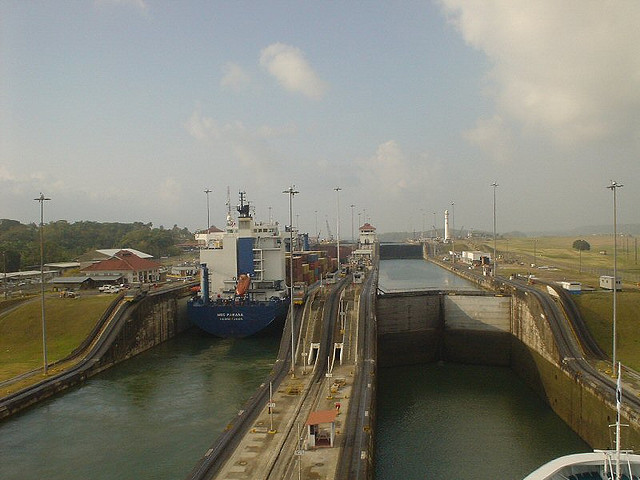
Ship Passing through the Panama Canal Locks -Colon, Panama (Photo: Lyn Gateley – flickr)
- It must be borne in mind that Francisco is known to have made several trips to the U.S. even after his graduation in 1871. His son Bonifacio would relate that he made several trips to look after sons from his first marriage who were studying in the U.S. and there is documentary evidence of a trip to the U.S. in 1913 – less than four years before his death – during the time when he is believed to have been living in Chile on a self-imposed exile.4
- Maria Teresa was the niece of the Bishop of Guayaquil and her son Ramon would later recount that they (the Dr. Martinez family) would have many visitors at their home in Guayaquil and that “…naturally as the niece of the bishop she received special attention.” Guayaquil is the largest city in Ecuador; only the mountain capital of Quito comes anywhere near to Guayaquil in population or importance. economically, Guayaquil is the single most important city by far; it is an excellent port. It follows logically that the Bishop of this important city was an important figure in the Church of Ecuador. Dr. Martinez had been exiled for three years in the late 1880’s for his activities opposing entrenched ecclesiastical interests during the presidency of President Caamano – his re-publication of El Perico had resumed in 1889- and his marriage to Maria Teresa occurred seven years after his return. It seems logical to assume that Maria Teresa would have had difficulty reconciling the dreadful circumstances of Eloy Alfaro’s Murder (and of Pedro Montero) at the hands of fanatical mobs, with the adamant pro-ecclesiastical stance of her immediate DelPozo family. Both Alfaro and Montero had very close ties to her (Martinez) family up until the time of their deaths.
- The cocoa bean was an important crop for Ecuador. There had been a boom in the cocoa industry at the turn of the century but in 1916 the cocoa industry crashed and the first world war added to an economic decline in Ecuador in subsequent years.
The Journey
In late spring of 1919, Maria Teresa and her four young children embarked on the journey from Ecuador to New York. They would have probably passed through the Panama Canal which had opened just five years previously in 1914. 5 They arrived on a ship owned by United Fruit Company named the “Santa Marta”6 and were processed through Ellis Island in late June of 1919.
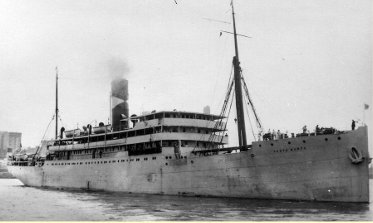
Maria Teresa and her four small children arrived in New York on the “Santa Marta” in 1919
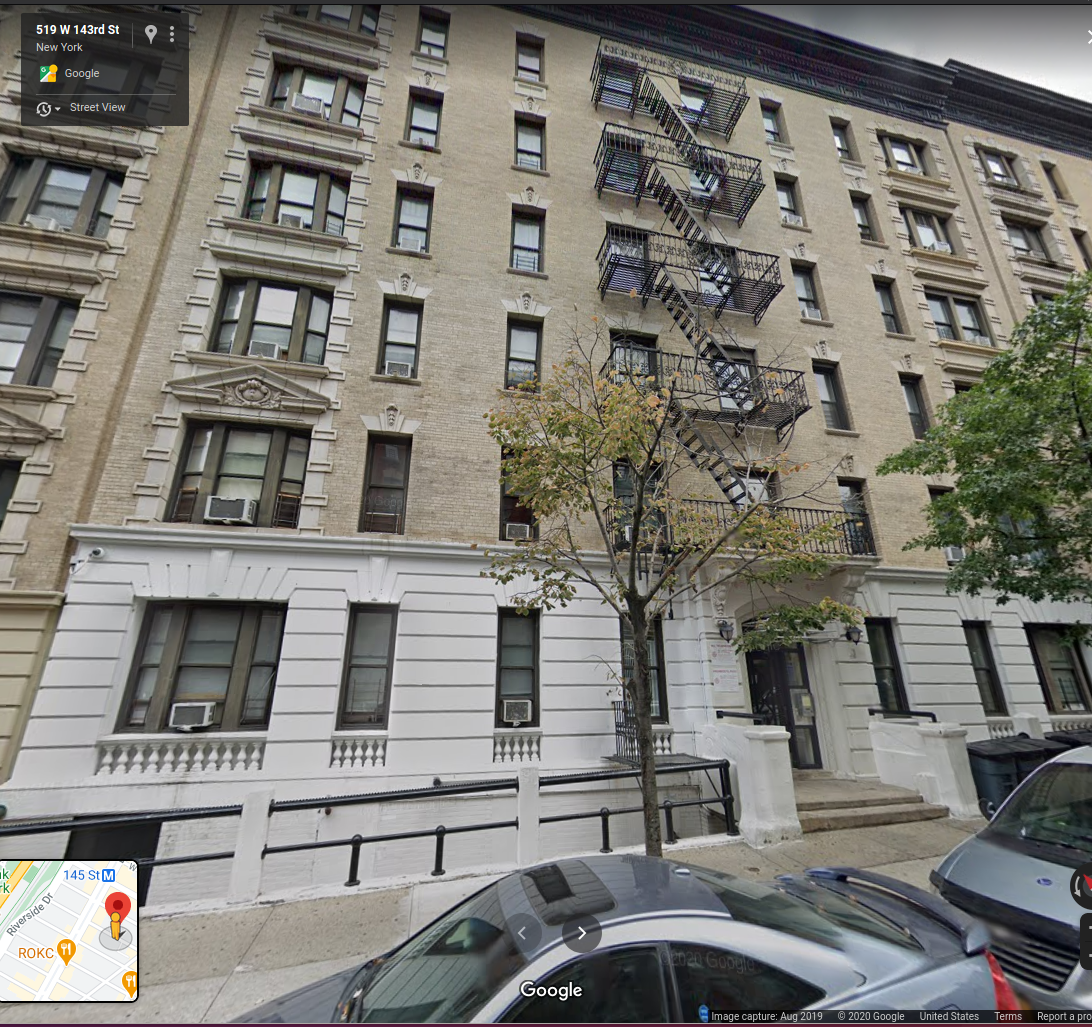
When his mother arrived in the summer of 1919, Ramon was living at 519 W. 143rd Street in Manhattan. This is the address he gave to the Ellis Island Offical when he went to escort his aunt Ines (Wilson) three weeks after his mother’s arrival. This address is different from the one showing on Maria Teresa’s Death Certificate a year later.
Some time after her arrival she had taught for a brief time at St. Vincent Ferrer’s school for girls which was operated by the Dominicans. But she would die within a year of her arrival leaving these young children as orphans in a strange land -a decade before the Great Depression – with no responsible friends or close relatives nearby except for a 20-year old brother. Her remains were interred at Calvary Cemetery in Queens7.
Boni’s letters paint a picture of the family being continually dependent upon Ramon for support all the way from 1913, through the journey of Maria Teresa and her death and afterward until the late 1920’s. We now assume that after her untimely death he put some or all of them in some kind of institution – at least initially. Mary Agnes, the second-youngest of the four would claim until her dying day that she had been “raised by nuns” but she would not divulge the name, the address, or any information at all about where they had resided. She would only say that it was “like a boarding school”. Was it an orphanage? Was it a convent? Was it a boarding school? She would fall silent when confronted with these questions. It appears that for much of their lives a certain secrecy was maintained about the name and location of this institution but Boni, the youngest, a few years before his death, referred to it as an orphanage during a conversation with his niece Grace Connolly (Caporino). Boni’s letters do not mention an “orphanage” or anything like it. For the five year period after their mother’s death there has always been an information blackout on the fate of these orphans but new information has finally come to light about their whereabouts in 1925.
1925 Residence of the Siblings
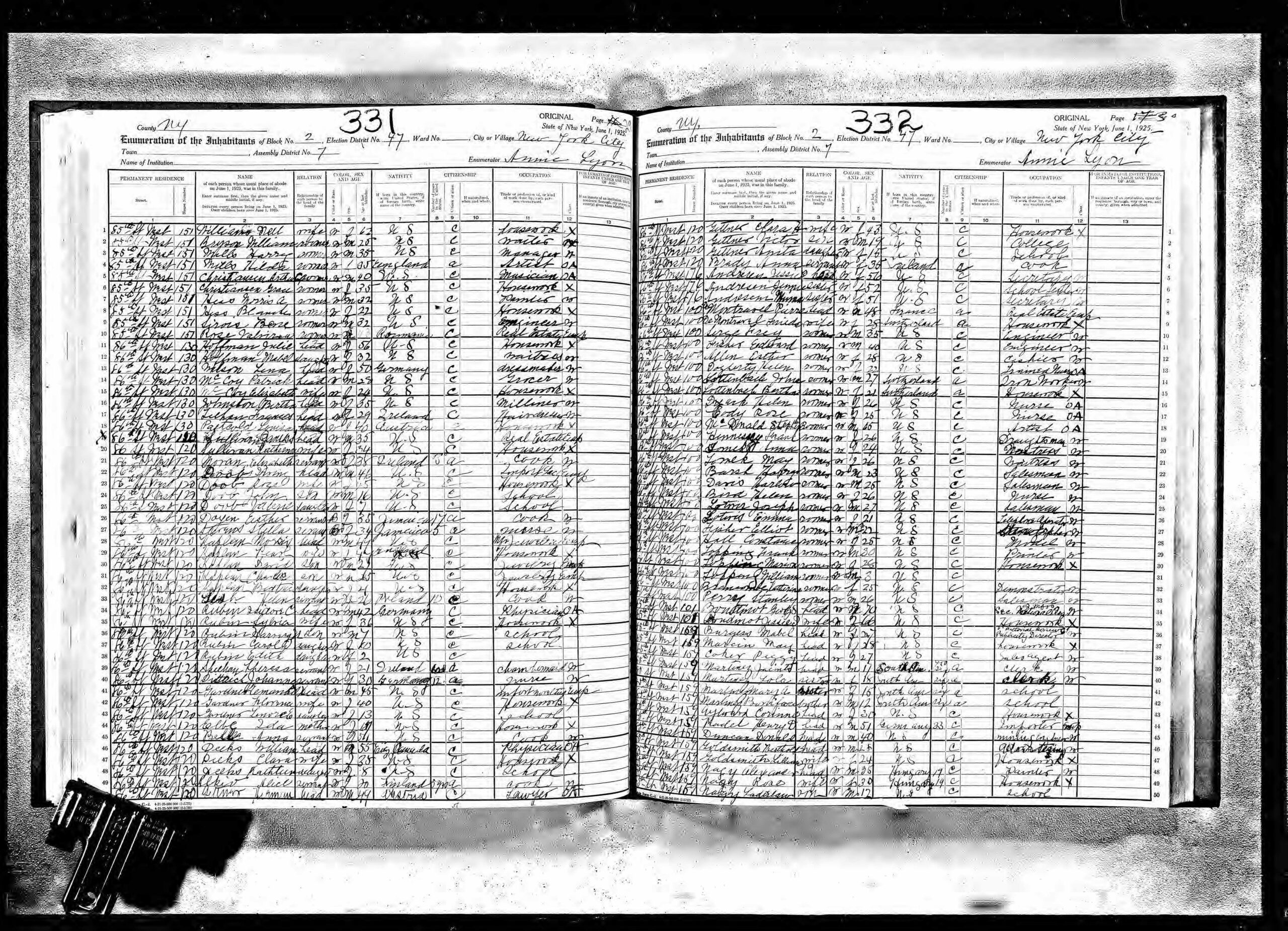
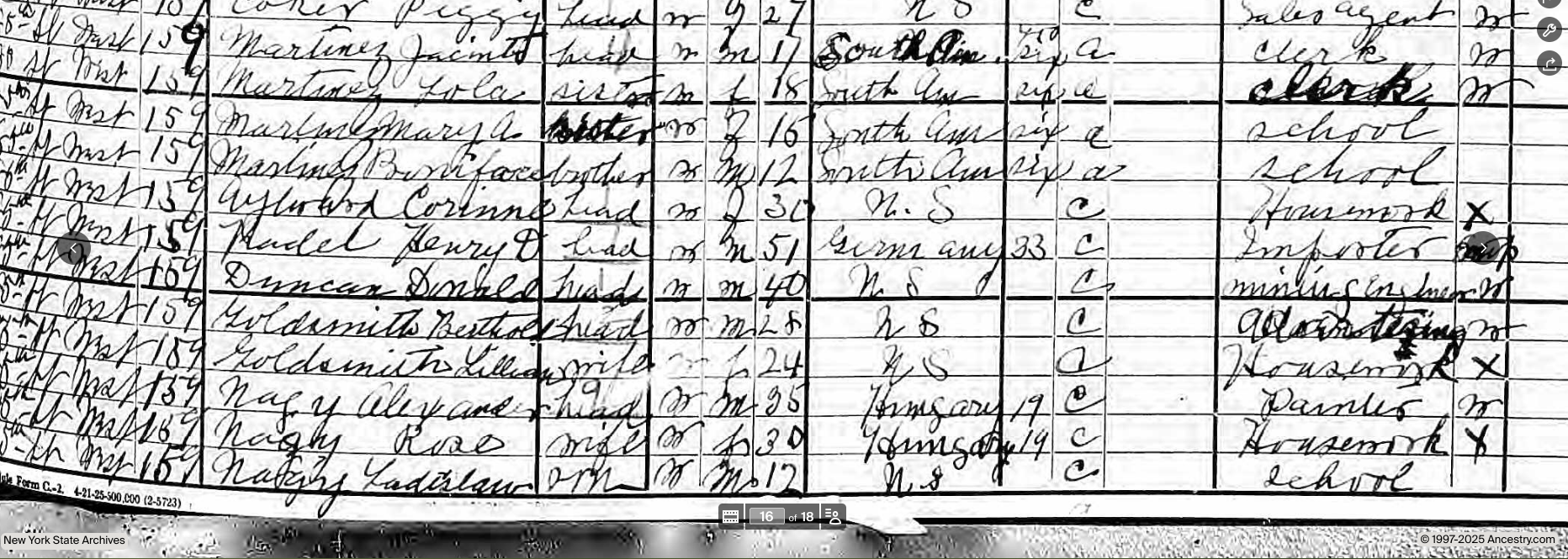
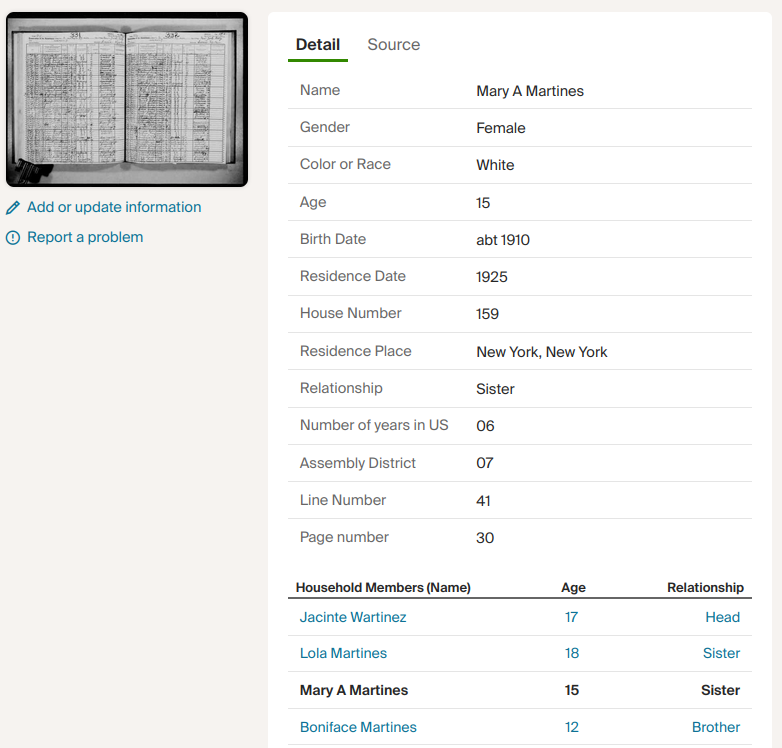
In 1925 there was a New York State Census. This census found the four orphans to be living at 159 West 85th street in New York. This building was built in 1891 and it is still there; it is what we might refer-to today as a multi-unit Apartment building. The census document does not specify apartment numbers; it just shows the street address of all residents residing in this apartment building. The census shows the four orphans to be residing together at this address at that time. They were Lola 18, Sookie 17, Mary Agnes 15, and Bonnie 12. Boni’s letters mention this apartment explicitly twice but there is no mention of how long (before 1925) they had been living there. So we have to infer that they were living together in this apartment by themselves at these young ages, their Brother Ramon, who would have been 26yrs of age having recently married (Ramon was married in March or April of 1925) and doing his level best to support himself, his wife and his orphaned younger siblings. It is significant to note that the family home of Ramon’s first wife was located just a few doors down at 203 West 85th Street apt# 61. The US Census’s of 1910 and 1920 had formerly recorded them to be living there. We don’t know how long the four orphans had been residing at this apartment at the time of the census. However this is the first known address that we can currently place them at after the one they were residing at when their mother died (510 W. 172nd Street). This address is right next to Central Park – within walking distance of the Museum of Natural History. The census documents are available for your inspection at the bottom of this page.
Boni in his letters would mention that he too started working at the young age of 13 which would have been 1926.
To see this scenario in context we need to remember that the Great Depression is considered to have started in October 1929. It is known that these orphans went through a period of impoverishment – assumed to be during the Great Depression. In her later years Mary Agnes would recount to her youngest son that they had gone through impoverishment and that there had been days when all she had to eat was a slice of pound cake.
In his letters Boni is continually praising Remon for what he had done for them when they were in these dire circumstances.
Excerpts from Boni’s letters to Ramon
Excerpts from four of Boni’s letters to Ramon appear below. Highlighting has been added to show common themes in Boni’s letters. For each of the excerpts it’s possible to see the full context by clicking the link at the beginning of the excerpt and read the full letter. The timeframe for these letters is 1989 to 1996. Ramon died in 1998 just days before his 99th birthday.
Letter: Boni to Ramon 11/25/89 :
“Of all the children of our father, you are the only worthy one because of what you did for his orphans. All of the children of his first marriage were very happy to be supported by their father even after they were married and had children of their own. You once told me8 that at one time our father was supporting 35 people. There went the inheritance of Francisco Javier from his father.
You also attended the College of St. Vincent of Guayas where you were at the head of your class… You had to leave that college to help support your father’s widow and her four orphans. When at 21 years of age you returned from burying your mother, you were peniless with the terrible burden of four little orphans.”
” …at 27 years of age [ie: 1926] you were impossibly burdened by monthly rent bills from your office, from your apartment with a wife to support, and from the apartment of your mother’s orphans. Nevertheless you picked yourself up to become a most successful business man.”
“Letter: Boni to Ramon Nov. 1991:
From your 16th until your 27th year you were dominated by the need for money to support your mother and her little orphans. At the end you were crushed by the need to pay rent for your office, for your wife’s apartment, and the apartment of the orphans.“
Letter: Boni to Ramon 6/24/96:
“…you were (and continue to be) a brilliant, most superior person who was able at 13 years of age (in 1912 when your father was exiled) to support his wife and her 4 little orphans until 1926 when your company went belly-up. During those 14 years you were very good to us 4, sending us all one summer to a camp and another year giving Jack a present of the Books of Knowledge and giving me a bicycle.”
Letter: Boni to Ramon 10/18/96:
“We should visit you more often because of the tremendous success you have had in supporting your father’s wife and his four little orphans after he was exiled in 1912. I doubt if I saw him more than three times before he died in 1916. Your superb health certainly must be because of your father’s prayers because you so immediately shouldered his responsibilities. In my case you supported me from my birth until I was 13 years old. If it wasn’t for your supporting me I most likely would have been picked up at about 10 years of age from some Street in New York City dead from starvation. In those days there was none of the concern for children that we have now. “
“I started supporting myself at only 13 years of age making $7 a week. It took me almost 10 years to make as much as $18 a week. When you were 13 years of age, you were supporting all the members of your father’s family. ”
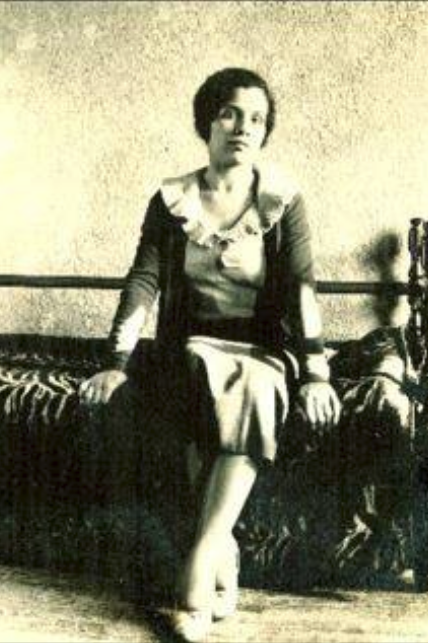
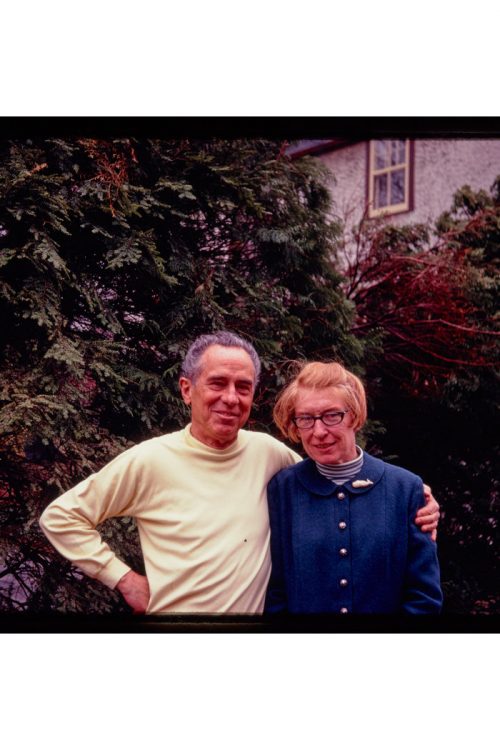
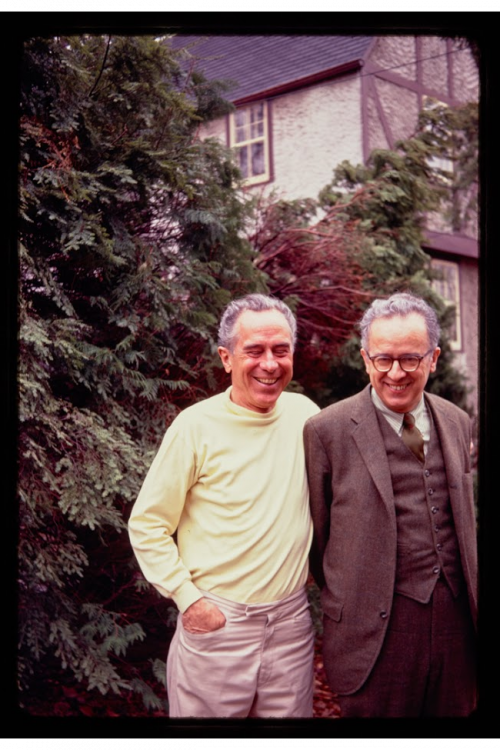
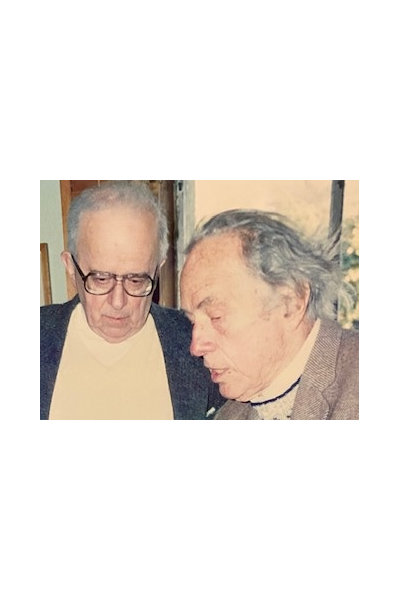
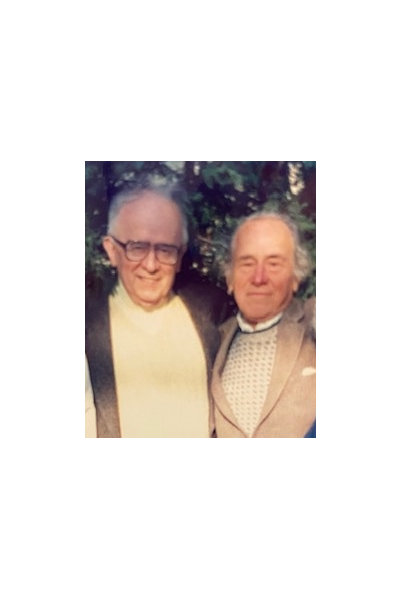
Photos of the orphans from the years immediately following their mother’s death are non-existent. The selection of images below includes photos of Ramon, Boni and his wife Margaret in later life together with two known photos of the orphans in their earlier years:
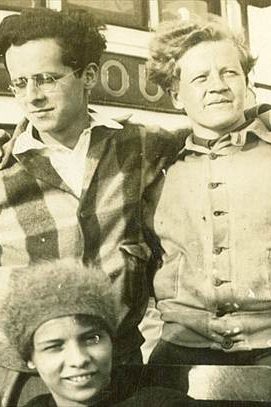 Clockwise: Bonifacio ("Boni"), Jacinto ("Jack/Sookie"), Mary Agnes
photo: John Martinez
The chart below shows the ages of children of Dr. Martinez through his first wife Rafaela and her sister Semira at the time of his marriage to his second wife Maria Teresa and at a few key later years. The chart omits three of the older children for brevity (their exact years of birth between 1873 and 1883 are uncertain). Note that three years after his marriage to Maria Teresa, at the time of Ramon’s birth, Dr. Martinez was still responsible for the support of at least nine known underage children plus Semira herself (Semira survived until 1901). Also even in 1912, the year of the Arrastre, he was still responsible for three underage children through Semira and he sent the youngest of them, Semira’s son Enrique, to a university in Europe! Note also that we can’t really disregard the children who were 20, 21 or 22 years of age because we know that many of them were sent to college abroad so expenses for them would have been higher than for their underage siblings.
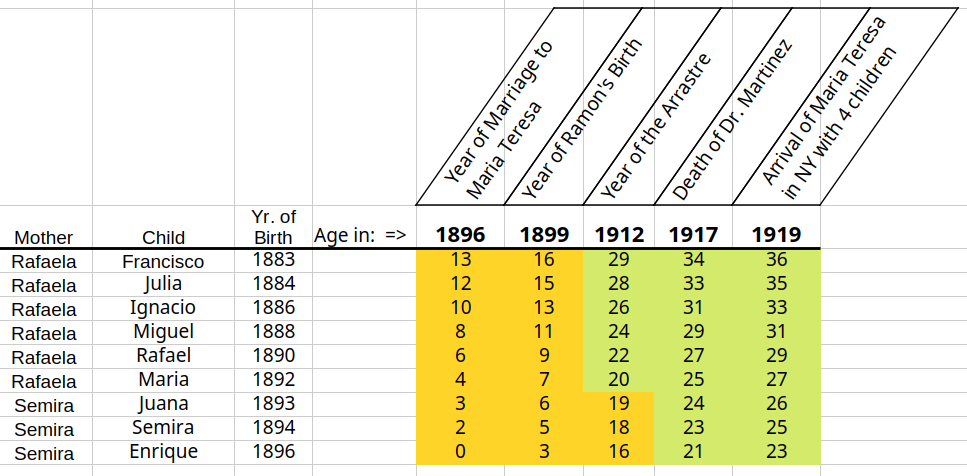
Chart showing the ages of Dr. Martinez’ children through Rafaela and Semira at the time of his second marriage and at a few key years thereafter. There were also three older children but we are uncertain about the exact years of their births.
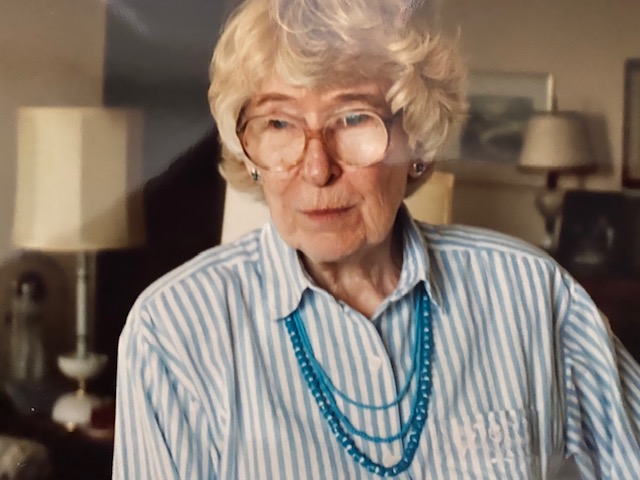
Margaret Yarnall, wife of Bonifacio Martinez (Photo: Katharine Martinez)
Maria Teresa’s youngest son Bonifacio’s wife was Margaret Yarnall. In her later years she decided to research the details of the Martinez and Del Pozo families. She traveled to the Genealogical Research library in Salt Lake City Utah and to some other university libraries. She also seems to have gained access to some genealogical documents that were not available in any North American libraries …perhaps relatives sent some documents to her. From all this research she produced an excellent and very important genealogical document of about 30 pages in length.
| Source | Link and Comments |
|---|---|
| NY State Census | 1925 NY State Census full Page showing the 4 orphans in the apartment (from Ancestry.com) |
| NY State Census | 1925 NY State Census – Relevant section only – showing Maria Teresa’s orphans only |
| Ancestry.com | Ancestry.com Record Description for Mary Agnes Martinez in apartment in 2025 |
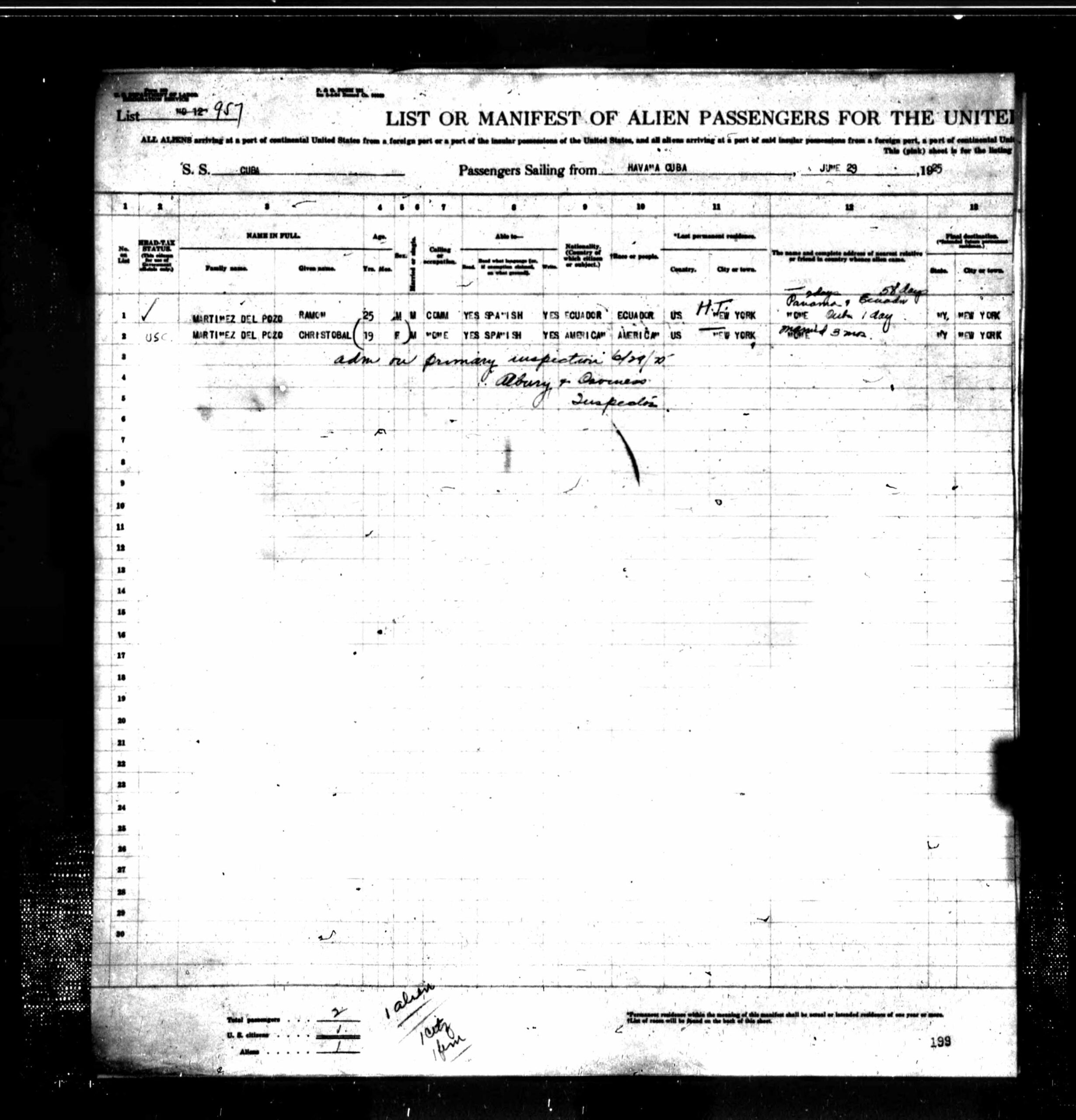
| Ancestry.com | Ramon and Christobal Honeymoon to Havana June 1925: Ships Manifest |
| US Census | 1930 Census showing Boni, Jacinto, Mary Agnes Residence: 30 Seaman Ave., NY (Hover to see occupations) |
| US Census | 1930 Census showing Ramon and his wife Christobal Residence: 2709 Heath Ave., NY |
| US Census | 1940 US Census showing Boni, Lola, Jack Residence: 203 44th Street, NY (NOTE:Doc says they were living here in 1935 also) |
| Ellis Island | 1919 Maria Teresa Arrival with her 4 very young children |
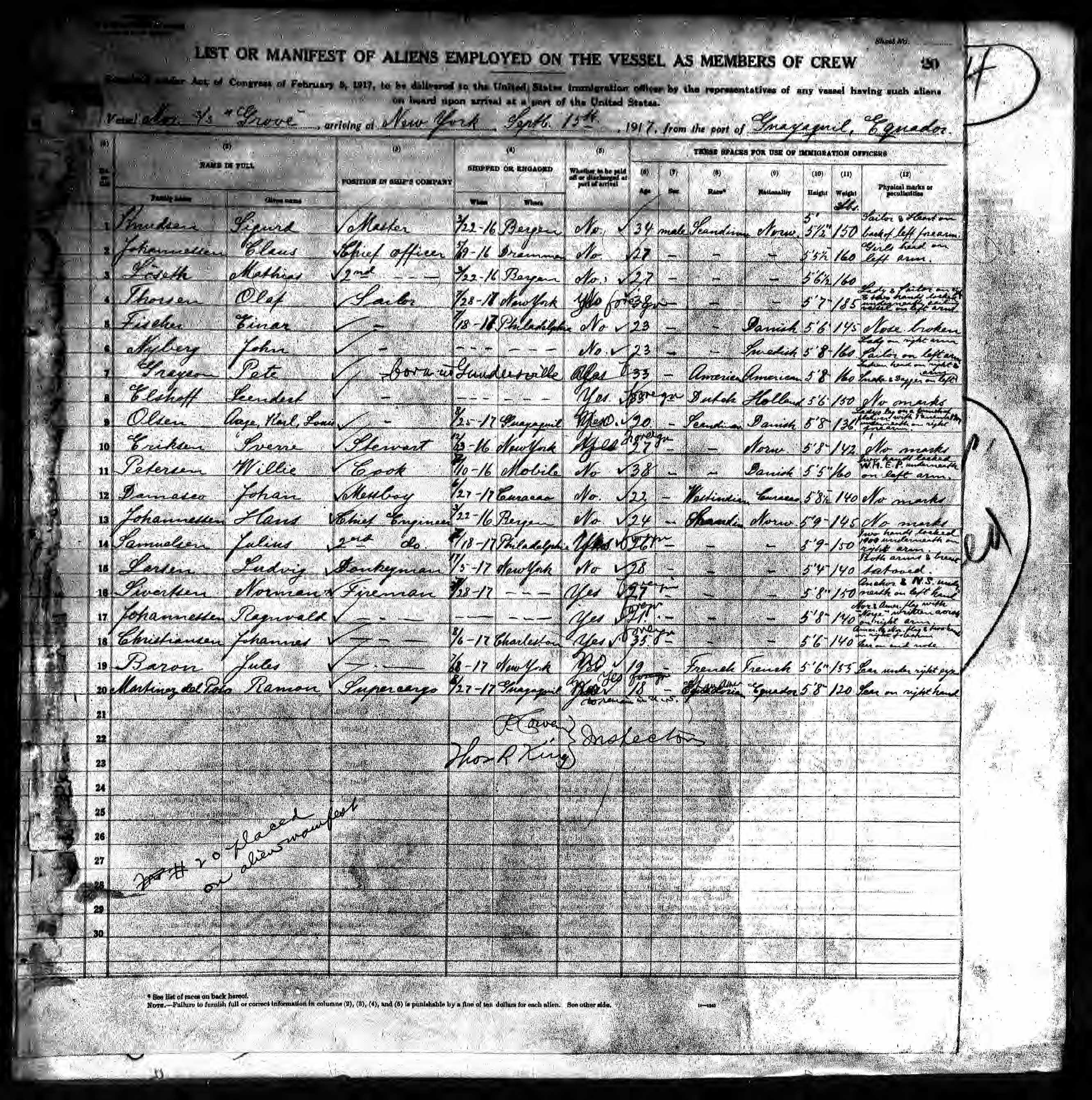
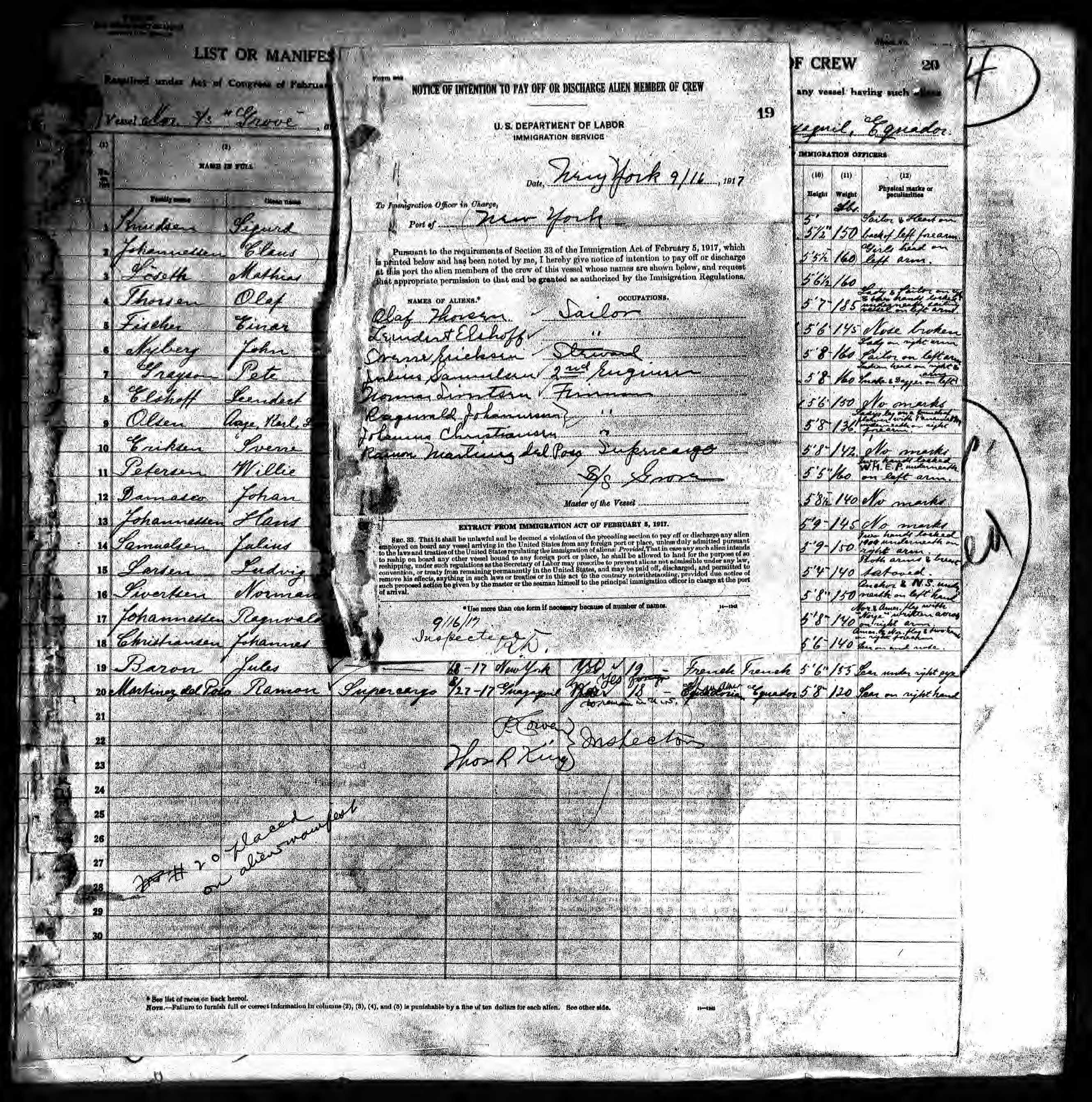
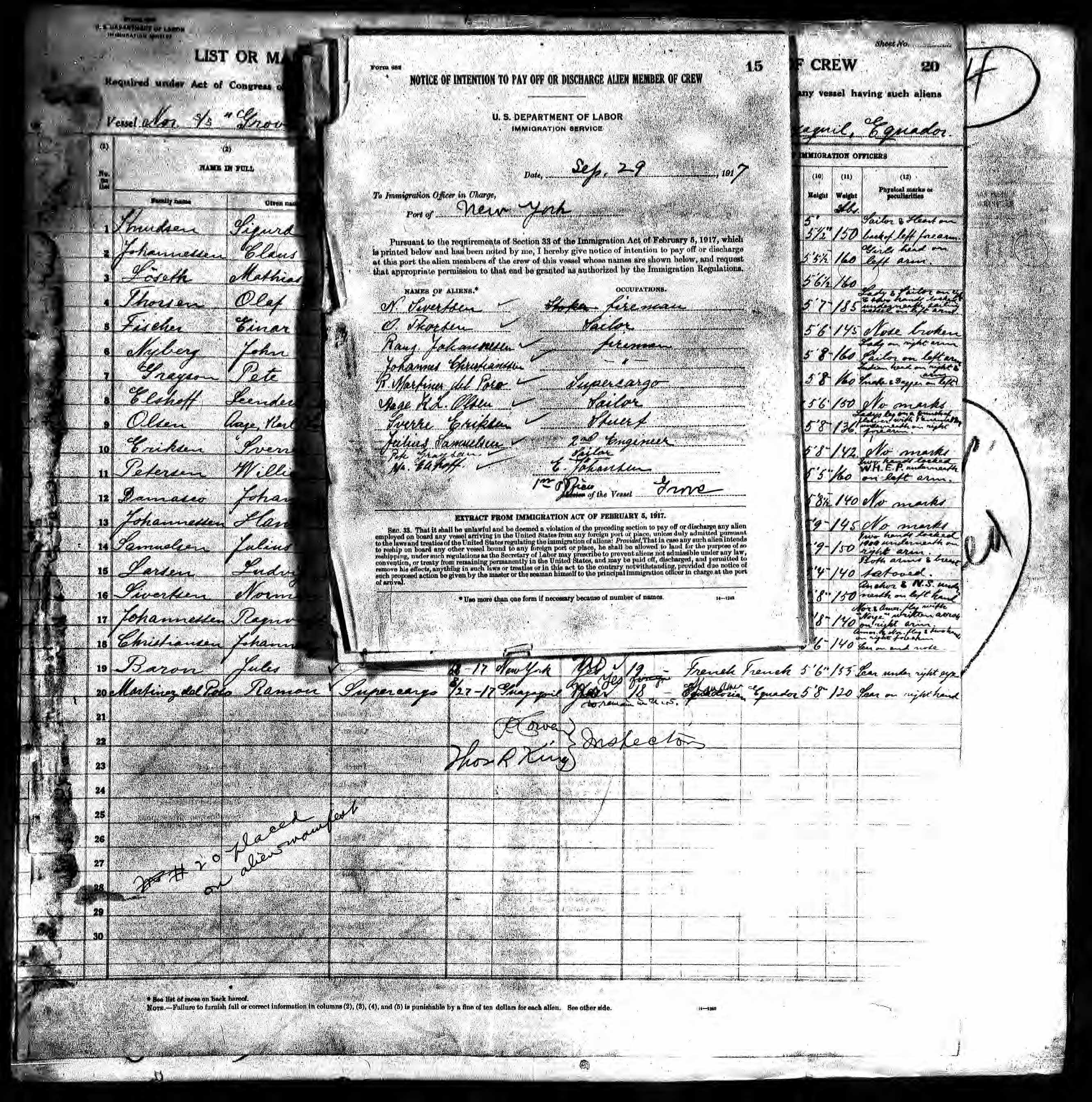
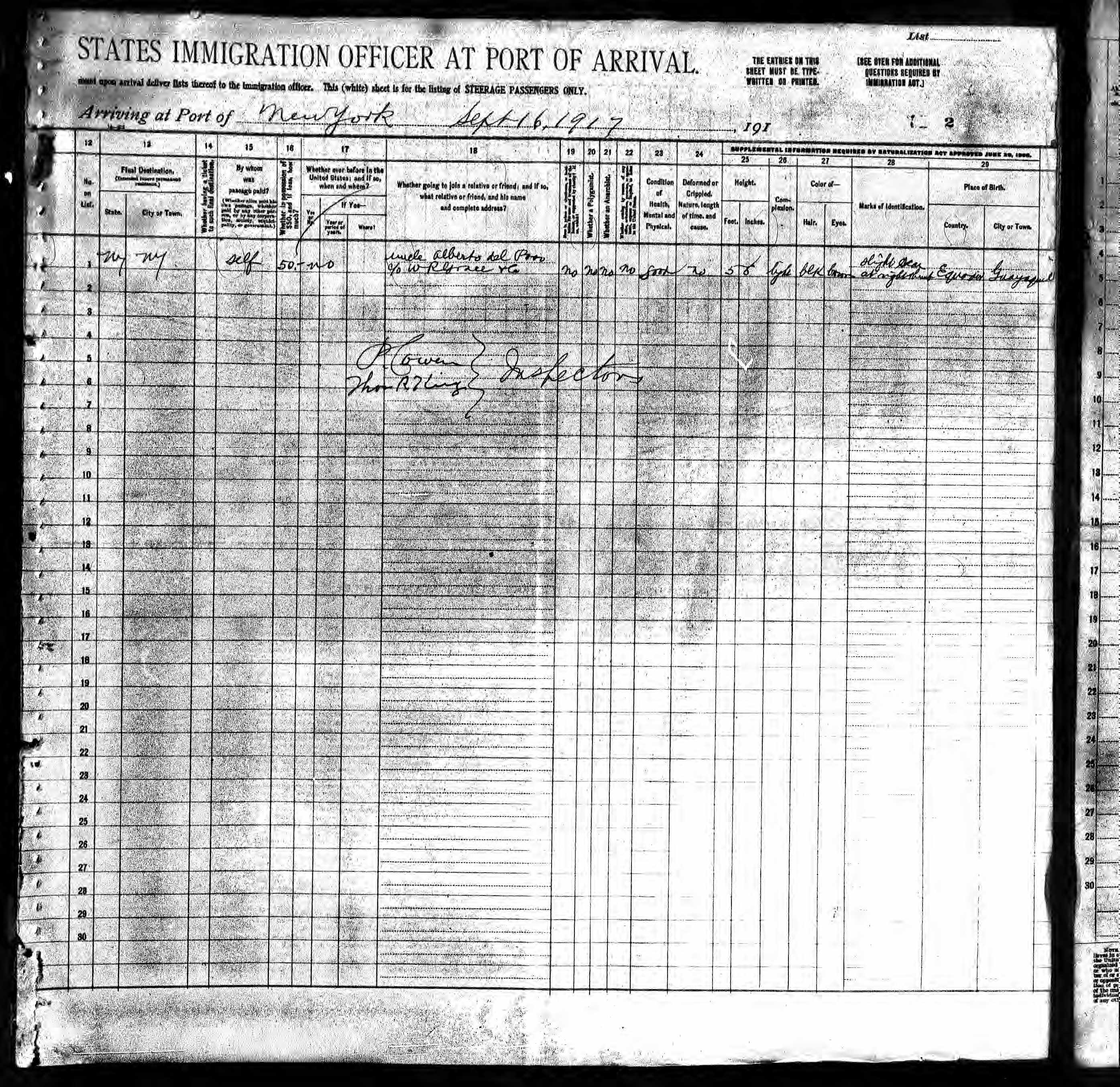
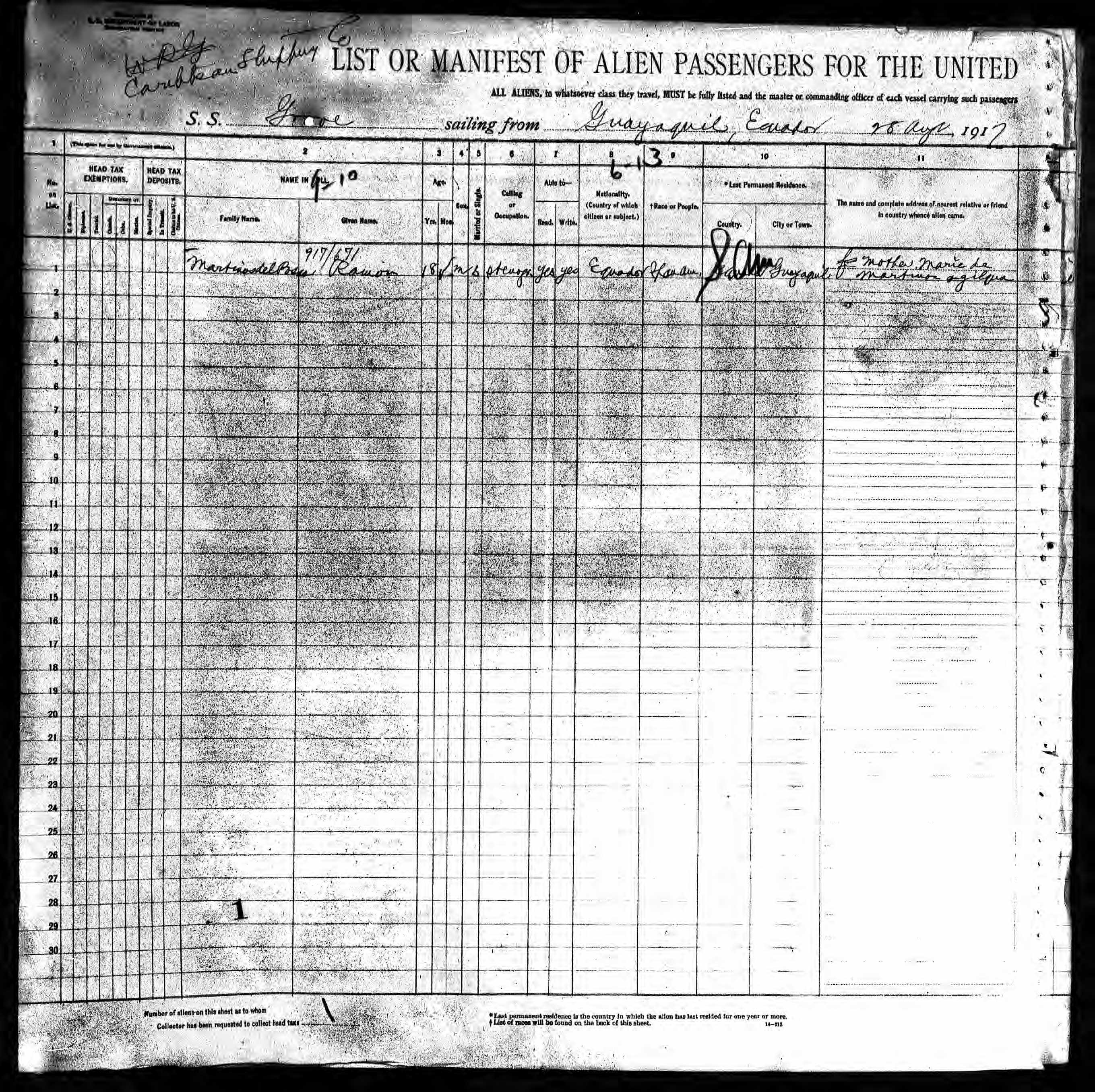
| Ellis Island | 1917 (Sept. 16) Ramon’s arrival by ship mentioning WR Grace and Alberto In five pages:Doc_1, Doc_2, Doc_3, Doc_4, Doc_5 |
| Steve Martinez | Letters from Boni to Ramon: Nov. 25, 1989 Jun. 24, 1996 Nov. 1991 Oct 18, 1996 |

- This date for Maria Teresa’s birth is from the genealogical document “Los Santos de Charapoto”. There seems to have been some confusion about her true age among her children but for several reasons the date in the genealogical document is clearly the right one. ↵
- The existence of this daughter Maria Teresa Martinez Del Pozo was lost among the surviving orphaned children but her name showed up in an important genealogical work published in Guayaquil. She was born on October 30th 1903 and she was 8yrs old at the time of her death which occurred about 8 days before the Arrastre (“dragging”) of Eloy Alfaro, on or very close to the day when her father fled the country in the disguise of a fireman with his life in very grave danger. He went into exile in Chile. Click here to see a video describing his departure on that occasion. ↵
- The 1925 date is solidly attested by a NY State marriage record for him on Ancestry.com. It is also inferred from the 1930 Government Census document. The Census reported him to be living at that time (1930) with his wife Christabel and that he had married at the age of 26. ↵
- Note that this was a self-imposed or voluntary exile; Dr. Martinez had voluntarily left the country with his life in mortal danger after the Battle of Yagauchi on or about January 20th 1912, just a week before the “Arrastre” of Eloy Alfaro. Dr. Martinez had been serving as Minister of War in General Montero’s provisional government after the death of president Estrada. After the disastrous battle of Yagauchi, Montero appointed Eloy Alfaro to head up the military resistance whereupon Dr. Martinez abandoned his post and fled the country for an extended exile in Chile. Three other cabinet ministers of Montero submitted formal letters of resignation at the same time …meaning that only one of the original cabinet appointees remained in his post. ↵
- The ship’s manifest shows that the ship originated at Cristobal, Panama which is the eastern terminus of the Panama Canal. They may have done the first leg of their journey from Ecuador to Panama on a different ship – we don’t know about that first leg. We assume that their ship passed through the Panama Canal which was formally opened on August 15, 1914. However it was also possible to cross the isthmus of Panama by train at that time. ↵
- This was “a refrigerated fruit transport ship that also accomodated passengers.” according to an AI overview. It typically transported bananas and other cargo. ↵
- Family sources report that Maria Teresa’s remains were wrapped in the habit of a Dominican Nun – a practice associated with a somewhat informal group called Dominican Lay Tertiary. No further details have come to light about the nature or extent of her association with this group. It is known that members of the group can obtain partial habits for use at burial. ↵
- This statement attributed to Ramon, saying that the older half-siblings were “happy to be supported by their father” should be rejected. Present-day Ecuadorian relatives have stated that they cannot make any sense at all out of such a statement, affirming that the older half-siblings were known to have been self-supporting with careers of their own. If this statement were true, Ramon wouldn’t have been the only one to have known about it …others would have known about it. Ramon left Ecuador as an 18-year-old young man and after that his only contact with his relatives there was through his older sister Maria who has many descendants currently in Ecuador. However raising a family of nine children plus support for three out-of wedlock children and their mother, including well above-average education for many of these children, plus support for the family through the second wife – places a significant drain on the resources of the father. It should also be noted that 17 is the correct total of children born to the three women in Francisco’s life – who survived to adulthood (Rafaela, Semira, Maria Teresa: 9+3+5). Considering the known numbers of underage children and their mothers that Dr. Martinez was supporting it seems quite possible that Bonni might have misconstrued a statement that Ramon actually did make years previously. ↵